Automated archive / Crimson Desert
Crimson Desert Enters Its Post-Patch Power Curve
Crimson Desert has pivoted from a turbulent launch to a controlled, post-patch power curve, with Steam numbers and player sentiment climbing in lockstep. Deep combat tech, emergent traversal exploits, and a rapidly tuned systems layer are turning Pearl Abyss’ open world into a live blueprint for modern RPG sandboxes.
AI-generated summary. This archive article does not have a current recorded source check. Check linked sources before relying on details. Editorial policy
Sector Overview: A Live-Fire Success Story on Steam
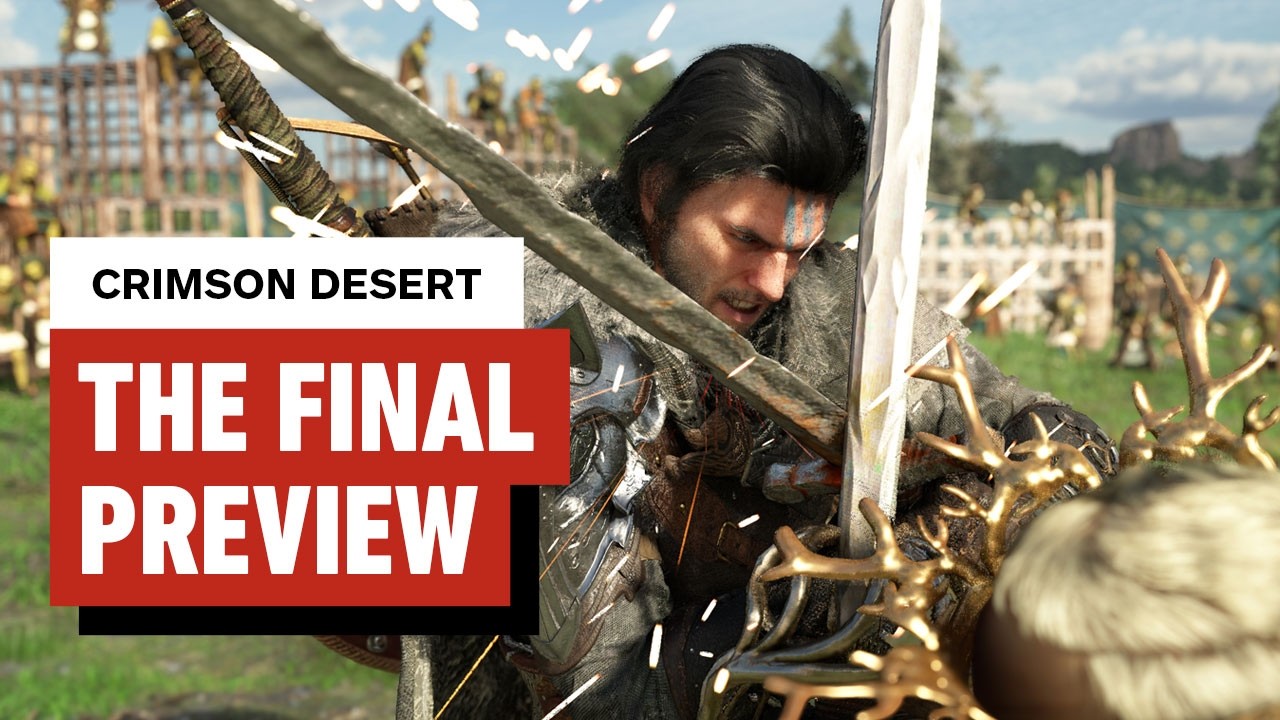
Crimson Desert has shifted from volatile launch window to controlled burn. Over the last week, Pearl Abyss’ open-world brawler has not only stabilized, it’s started to surge. Steam telemetry logs a peak of 276,261 concurrent players with an ~80% positive rating, and that spike wasn’t a one-day anomaly—it’s been reinforced by a timely 1.01 patch, a string of high-signal guides, and a combat meta that’s proving far deeper than early trailers suggested.
For #gamedev observers and #indiegame teams eyeing large-scale open worlds, Crimson Desert is turning into a live case study in how fast, targeted systems triage can reverse sentiment and re-energize a player base.
Patch 1.01: From Turbulence to Traction
Crimson Desert’s 1.01 update reads like a systems engineer’s checklist rather than a marketing beat:
- Combat tuning: Enemy behavior and damage values have been recalibrated to reduce unfair spikes while preserving the game’s high-APM identity.
- Performance stabilization: Pipeline optimizations are smoothing out traversal and large-scale skirmishes, a critical factor for a game that leans so hard on physics-heavy combat and cinematic set-pieces.
- Quest logic fixes: Soft-locks and broken mission states—launch-week pain points—have been aggressively targeted, directly improving player trust.
The immediate impact is visible in the numbers: following the patch, player count and review scores climbed, suggesting the update successfully addressed core friction rather than just cosmetic issues. From a development update perspective, this is a textbook example of rapid iteration on real telemetry rather than design-by-forum.
Combat Systems: High-Skill Sandbox, Not Just Spectacle
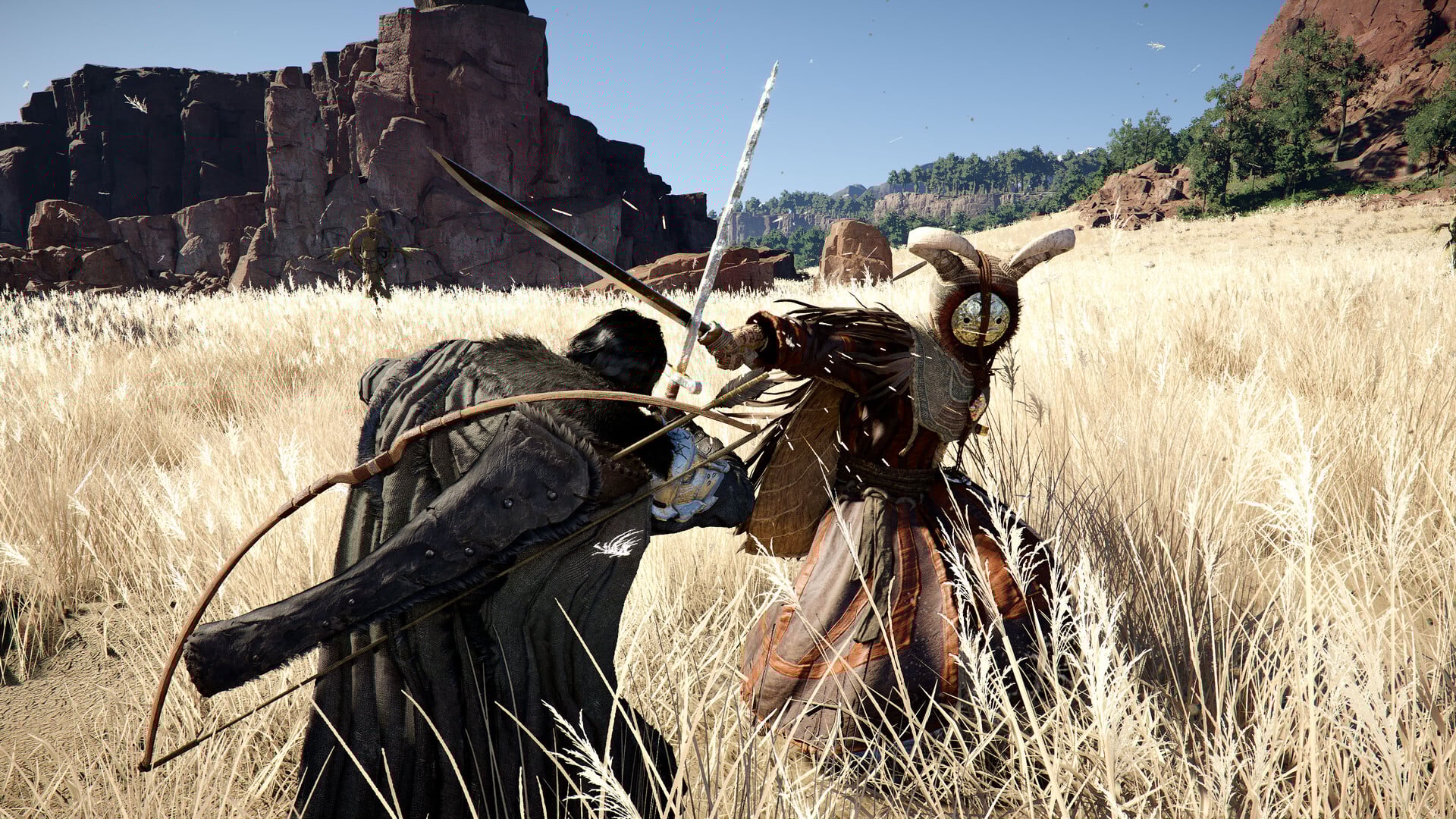
Activity feeds this week zeroed in on advanced combat tips, framing Crimson Desert less as a cinematic brawler and more as a real-time physics lab with blades. The meta emerging from the field:
- Cancel windows and juggles: Players are chaining aerials, grapples, and environmental finishers into expressive, almost character-action-level combos.
- Stamina and spacing as hard resources: Surviving bosses like Saigord the Staglord and Kearush the Slayer demands precise dodge timing and pattern recognition, not just gear checks.
- Environment as a weapon: Finishers and positional play reward players who treat arenas as systems, not backdrops.
For designers, Crimson Desert is signaling a trend: open worlds are no longer allowed to get away with loose, floaty combat. The expectation is now systemic, skill-based, and replayable, even in a sprawling RPG framework.
Traversal Meta: The Focus Glitch and Emergent Routing
One of the most telling datapoints this week is the community’s exploitation of a Focus-based aerial momentum glitch. By chaining Focus with specific mid-air inputs, players are effectively converting stamina into horizontal velocity, turning glides into high-speed insertion routes.
Design takeaway:
- Players will always try to break traversal systems to optimize routing.
- When those exploits feel good, they can temporarily become part of the game’s unofficial feature set.
Pearl Abyss now faces a classic #gamedev dilemma: patch it out to preserve design intent, or formalize the tech into a sanctioned advanced-mobility mechanic. Either way, this episode underscores how traversal systems are as scrutinized as combat in modern open-worlds.
Gear, Mounts, and Pets: Building a Utility-Driven Sandbox
Beyond raw combat, this week’s intel shows players aggressively pursuing utility upgrades that reshape how they inhabit the world.
High-Value Gear: Spada Sword & Drake Shield
Guides around the Spada Sword and Drake Shield are trending as players look for frontline survivability and damage spikes with minimal resource bleed. Routes, enemy patterns, and unlock prerequisites are being optimized like speedrun strats, indicating that Crimson Desert’s gear chase has enough friction and payoff to sustain meta discussion.
Legendary Mounts: White Bear & Snowwhite Deer
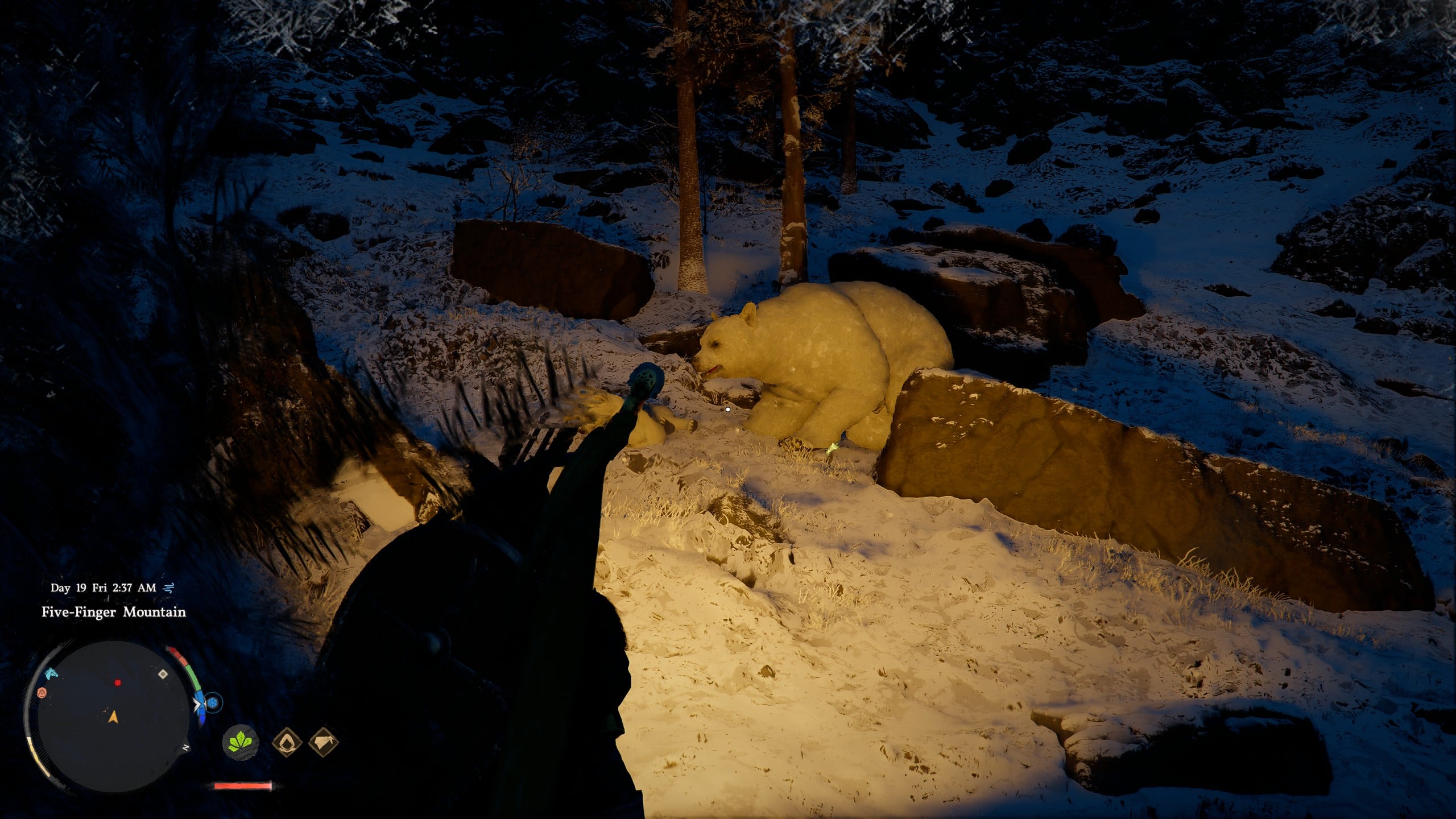
The White Bear and Snowwhite Deer mounts are functioning as late-game mobility and style statements. Their acquisition chains—hostile biomes, quest dependencies, and spawn logic—are dense enough to warrant dedicated breakdowns. That’s a positive signal: legendary mounts feel earned, not handed out.
Pet Systems: The Brown Dog and Beyond
The Brown Dog event has quietly become one of the game’s most-discussed micro-systems. Players are:
- Managing a trust meter through feeding and interaction.
- Using pets as low-maintenance utility drones for loot pickup and battlefield clarity.
- Swapping companions via the pet menu to tailor exploration and combat support.
This is a subtle but important design note: companion systems that blend emotional attachment with mechanical utility tend to have long-tail engagement, especially in RPG-adjacent sandboxes.
Quest Logic and Narrative Systems: The Weight of Knowledge
The “Contradiction” segment of The Weight of Knowledge quest is drawing attention for its branching logic. Players are mapping out every correct contradiction and dialogue path to avoid soft-locks and wasted cycles.
From a systems perspective, this highlights:
- The appetite for investigative-style quest design in large open worlds.
- The risk: without clear feedback, complex dialogue trees can feel brittle.
Patch 1.01’s focus on quest logic, combined with community-authored contradiction maps, is slowly turning this from a frustration vector into a showcase of narrative reactivity—provided future updates keep smoothing the edges.
Endgame & NG+: A Second Operational Layer
Post-credits, Crimson Desert doesn’t simply hand players a checklist; it reconfigures the world state:
- New Game+ protocols unlock, pushing advanced gear loops and higher-stakes combat.
- World reactions shift based on prior decisions, reframing familiar spaces.
For #gamedev teams, this is a strong example of endgame as systemic remix, not just content mop-up. NG+ and altered states extend the life of expensive open-world assets without relying solely on grind.
Market Read: Crimson Desert as a Live Systems Blueprint
Crimson Desert’s current position on Steam’s top sellers chart—holding strong while titles like Slay the Spire 2 surge—confirms that the game has crossed from curiosity to established live product. The combination of:
- Fast development updates (like patch 1.01),
- Deep combat and traversal tech, and
- A layered gear/mount/pet ecosystem
has given Pearl Abyss something rare: a sprawling open-world that’s actually improving week-on-week.
For studios watching from the sidelines, Crimson Desert’s last seven days provide a clear directive: if you’re going big on scope, you need an equally big post-launch systems strategy—because in 2026, the real launch starts after release.
Sources and corrections
This archive entry does not have a verified article-source list. Images and video embeds alone are not evidence for every claim.
Found an error? Request a correction. Include the passage and a supporting source.
Your games, in one place
Keep up with Crimson Desert
Follow this game to collect its posts in your personal feed. Come back to see what you missed.