Automated archive / Clockwork Revolution
Clockwork Revolution Dials In Time-Heist Spectacle and Xbox Exclusivity
Clockwork Revolution’s latest intel paints a sharper picture of a neo‑Victorian time-heist RPG where every temporal interference rewires the mission space. With a new heist showcase and confirmed Xbox console exclusivity, inXile is positioning the game as a high-stakes experiment in systemic storytelling and...
AI-generated summary. This archive article does not have a current recorded source check. Check linked sources before relying on details. Editorial policy

Weekly Sector Intelligence: Clockwork Revolution
Avalon’s temporal grid just lit up. Over the last seven days, inXile’s Clockwork Revolution has pushed a clear message through the noise: this isn’t just a retro‑futurist shooter with pretty brass fittings, it’s a systemic time‑manipulation RPG where every decision rewires the mission space. With a new heist sequence, fresh platform intel, and sharper language around its cause‑and‑effect design, the project is stepping into focus as one of Xbox’s most strategically important narrative bets.
The Heist: Time-Bending Infiltration as Core Fantasy
The newly surfaced “The Heist” sequence positions Clockwork Revolution as a tightly choreographed, replay‑driven experience rather than a loose sandbox. The activity feed describes:
- Time‑bending infiltration: Temporal interference isn’t just a story wrapper; it’s deployed mid‑mission to open new routes, reconfigure patrols, and alter NPC roles on the fly.
- Brass‑and‑steam firepower: Weaponry reinforces the neo‑Victorian industrial aesthetic—expect hand‑cranked repeaters, steam‑venting cannons, and retro‑mechanical sidearms tuned for loud, readable feedback.
- Tight corridor combat tuned for spectacle: This isn’t open‑world sprawl. The heist is built around layered encounters in confined spaces, where line‑of‑sight, choke points, and verticality gain extra complexity once timelines start shifting.
The intel specifically flags “layered encounters, shifting timelines, and high‑stakes choices built for replay hunters.” From a #gamedev standpoint, that implies:
- Encounter scripting that supports multiple valid outcomes per room.
- State tracking robust enough to remember player interventions across loops.
- A content strategy where replaying missions is expected, not optional padding.
For #indiegame and AA teams watching from the sidelines, this is a case study in how to scale replayability through stateful level design rather than pure procedural generation.
Temporal Systems: Narrative Volatility as a Design Pillar
The broader Temporal Systems Report frames Clockwork Revolution as a “neo‑Victorian time‑manipulation shooter where every temporal interference rewires the mission space.” The language around “cascading paradox chains” and “cause‑and‑effect gunfights” suggests a hybrid of immersive sim thinking with RPG consequence tracking.
Key takeaways for systems‑minded developers:
1. Mission Spaces as Mutable Diagrams
The description of dense clockwork cityscapes, burlesque dens, and shifting NPC roles implies that Avalon’s districts are built as modular diagrams rather than static routes. Interfering with a character or event earlier in the timeline can:
- Remove or add entire encounter groups.
- Flip allegiances, turning former enemies into allies or vice versa.
- Unlock alternate traversal options (hidden clubs, maintenance tunnels, or high‑society balconies).
Designing for this kind of volatility means authoring multiple valid futures for each mission hub and ensuring the narrative doesn’t fracture under combinatorial pressure.
2. Cause-and-Effect Gunfights
“Cause‑and‑effect gunfights” reads like a rejection of purely reactive AI. Instead, combat seems to be the visible tip of a deeper simulation: who you spared, sabotaged, or empowered in prior loops directly shapes who’s pointing a gun at you now.
From a #gamedev production lens, this demands:
- A robust save-state model to track temporal edits.
- Tools for writers and quest designers to visualize paradox chains.
- Clear UX to signal why the world has changed, avoiding player confusion.
Platform Intel: Xbox Locks the Timeline
The Clockwork Protocol update confirms Clockwork Revolution as an Xbox console exclusive, with PC in the loop. There’s still “no precise launch timestamp etched in the ledger,” but studio chatter pegs deployment for next year.
Strategically, this slots Clockwork Revolution as a flagship single‑player narrative pillar in Xbox’s portfolio:
- It reinforces the platform’s investment in RPG‑driven, systemic storytelling, complementing other first‑party efforts.
- The PC day‑and‑date presence keeps the door open for modding communities, deep dives, and long‑tail discourse—critical for a game built around replay and experimentation.
For competing platforms, the absence of a release window leaves a narrow opportunity to position alternative narrative shooters and immersive sims before Clockwork Revolution claims that mindshare.
Visual Identity: Neo-Victorian Power and Paradox
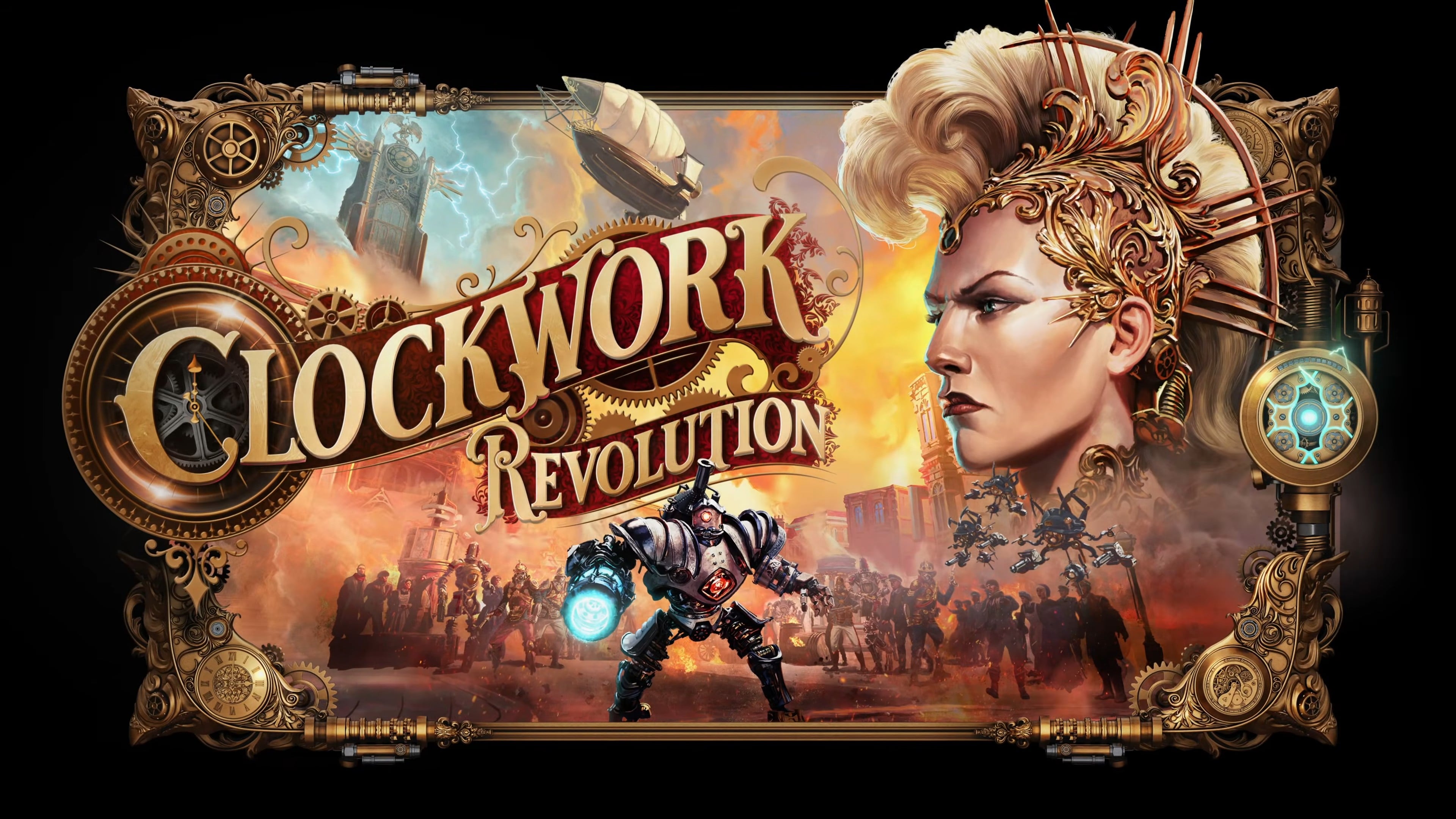
Official imagery, particularly shots centered on Lady Ironwood, reinforce a visual thesis of opulent oppression: polished brass, layered fabrics, and industrial architecture framing a rigid class hierarchy. That aesthetic matters for more than box art:
- It gives the team a strong visual language for cause and effect—altering the past might literally tarnish the gold, crack the marble, or strip away the excess.
- It anchors player expectation: when you disrupt the timeline, you’re not just changing quest flags, you’re vandalizing an entire socio‑economic machine.
For developers, Avalon is a reminder that setting is a system. A well‑realized city gives you readable, systemic feedback loops—every architectural shift or costume change can telegraph the consequences of previous loops.
Sector Outlook: High-Risk, High-Reward Design
Clockwork Revolution is positioning itself as a high‑risk, high‑reward experiment in mainstream temporal design. The last week’s intel paints a project betting heavily on:
- Tight, replayable heist structures.
- Deeply mutable mission spaces.
- A strong Xbox + PC ecosystem play.
If inXile can keep paradox chains legible and maintain narrative cohesion across multiple loops, Clockwork Revolution won’t just be another time‑travel shooter—it’ll be a new reference point for systemic storytelling in the AAA and #indiegame scenes alike.
Sources and corrections
This archive entry does not have a verified article-source list. Images and video embeds alone are not evidence for every claim.
Found an error? Request a correction. Include the passage and a supporting source.