Automated archive / Call of Duty: Modern Warfare 4
Modern Warfare 4 Goes Full Next‑Gen and Rewires the Killbox
Modern Warfare 4 is dropping last‑gen, breaching the Korean DMZ, and rewiring its multiplayer killbox with nine structural overhauls. Infinity Ward’s latest intel brief shows a studio betting hard on next‑gen hardware, tighter role design, and a more transparent dev pipeline.
AI-generated summary. This archive article does not have a current recorded source check. Check linked sources before relying on details. Editorial policy

Theater Status: Modern Warfare 4 Locks in for October 23, 2026
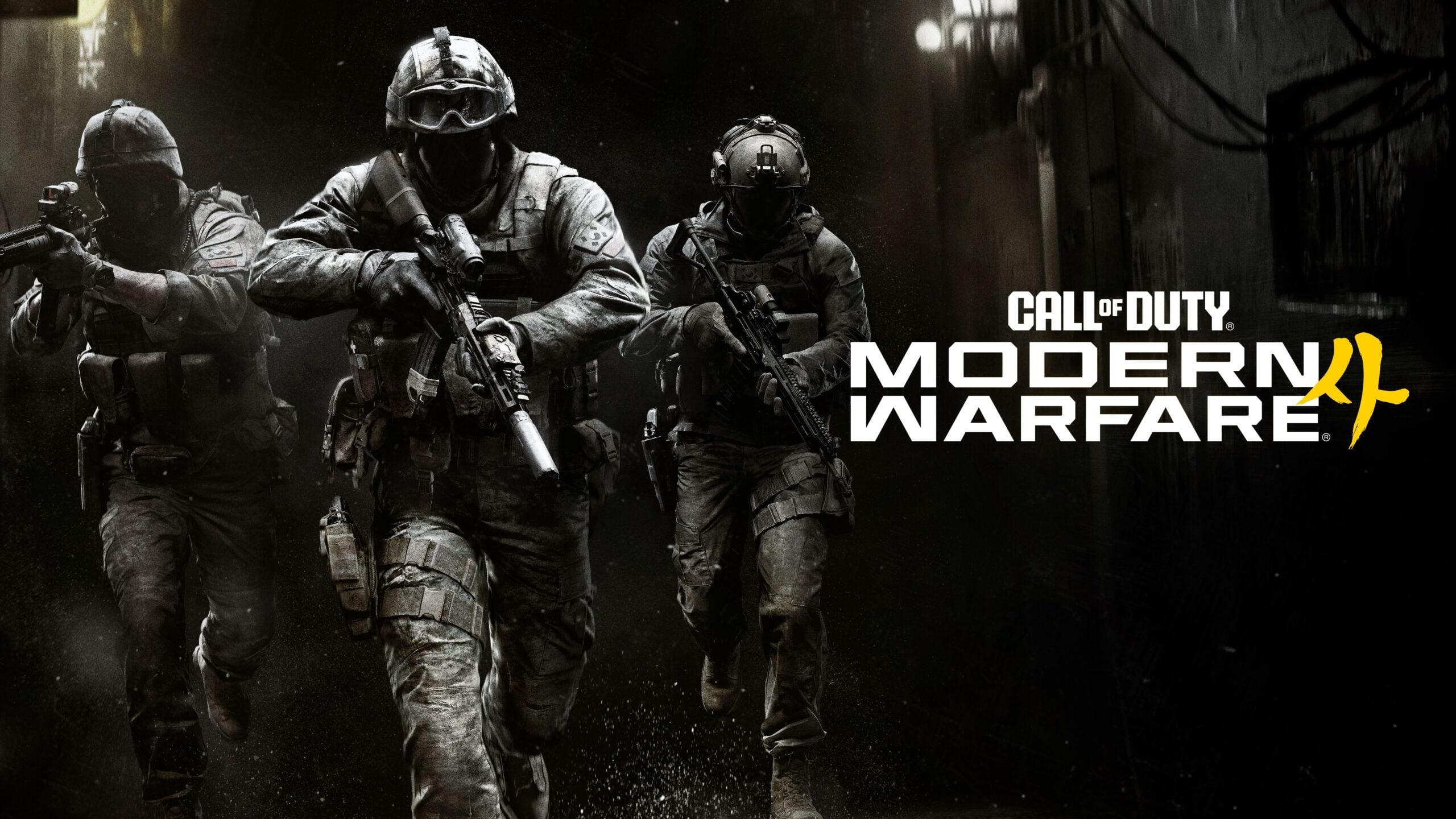
call of duty: modern warfare 4 is now a fully declared operation: campaign, multiplayer, and DMZ all deploy on October 23, 2026, with pre-purchase live across platforms. The critical strategic pivot this week is platform targeting—Infinity Ward is abandoning PS4 and Xbox One entirely, reallocating budget to PS5, Xbox Series X|S, PC, and a surprisingly ambitious Switch 2 deployment. For #gamedev watchers, that means no more cross‑gen handcuffs: higher-fidelity assets, denser lobbies, and fewer design compromises around memory and CPU bottlenecks.
The Korean peninsula is confirmed as the primary campaign theater, with operations spanning South and North Korea and leaning into dense urban engagements, high‑tech suppression tools, and combined‑arms set pieces. Narrative framing emphasizes coordinated fireteam pushes and cinematic breach tactics, signaling a return to big‑budget, spectacle‑driven Modern Warfare after MW3’s fragmented reception.
Dev Pipeline Intel: “From The Ward” Opens the Blast Doors
Infinity Ward’s “From The Ward” series is the real development update this week—less marketing sizzle, more production telemetry. Episode 1 functions as a high-level design brief, outlining early combat design, narrative scaffolding, and tech-pipeline realities. The studio is clearly trying to re-earn trust by showing how killstreaks, breach beats, and pacing are being engineered rather than improvised late in production.
Episode 4 dives deeper into the production pipeline. Level scripting, animation passes, and combat pacing are dissected like a live-fire lab session. The team talks about how narrative, sound, and systemic design are being weaponized together: sound staging that telegraphs threats through occlusion and reverb, animation passes tuned for higher time‑to‑react, and scripting tools to choreograph multi‑squad pushes without losing player agency. For #gamedev and #indiegame creators, this is a rare mainstream AAA case study in how tightly coupled narrative beats and systemic combat need to be when you’re chasing both cinematic spectacle and competitive clarity.
Multiplayer Systems: Nine Tactical Overhauls
On the multiplayer front, command has flagged nine key structural changes to the ecosystem. While not all parameters are public yet, the broad strokes are clear:
1. Weapon Meta Recalibration
Expect a rebaseline of recoil patterns, flinch behavior, and damage curves. The stated goal is reduced chaos and higher time‑to‑react, which suggests a move away from extreme TTK volatility and one‑frame deletion scenarios. This is aimed squarely at ranked viability and watchability.
2. Perk and Loadout Restructuring
Perks are being reorganized into stricter role definitions—think clearer lanes between entry fraggers, anchors, and support. Loadout architecture is being tuned to limit Swiss‑army builds that do everything at once. Designers want players to commit to an identity per match, not per gunfight.
3. Map Flow and Objective Rule Tweaks
Flow refinements focus on reducing spawn pinches and funneling teams into readable engagements. Objective rule changes are designed to lower random swing potential and reward coordinated pushes. For competitive designers, this is Infinity Ward openly chasing a more predictable, scrim‑friendly ruleset.
DMZ and Extraction: High‑Risk, High‑Yield
DMZ returns as the extraction‑based pillar, framed explicitly as the high‑risk, high‑yield theater. The notable shift is that it’s being discussed in the same breath as campaign and multiplayer, not as an experimental side mode. That usually signals more dedicated resources: bespoke map scripting, AI behavior tuning for multi‑team encounters, and better progression hooks into the broader cross‑mode meta.
For developers tracking systemic design, DMZ remains the franchise’s most interesting lab: AI density, loot economy, and player‑driven pacing all intersect here. How Infinity Ward leverages next‑gen‑only CPU and memory to scale AI and simulation complexity on PS5/Series X|S and Switch 2 will be worth dissecting post‑launch.
Editions, Loyalty Economics, and Player Segmentation
Pre-order logistics are now fully mapped. Two digital SKUs are confirmed across all platforms: Standard Edition and Vault Edition. The Vault Edition is positioned as the max‑level loadout before launch, bundling:
- Hostile Alliance and Special Forces Operator Packs
- A Signature Weapon Collection
- One full Season of BlackCell
- A DMZ Deployment Bonus and Battle Pass boosts
The interesting economic lever is the 10% loyalty discount on Vault Edition for returning players with any prior Call of Duty purchase—digital, physical, Game Pass, or PS Plus. From a business design perspective, this is a soft live‑service retention mechanic disguised as a premium upsell: it monetizes franchise loyalty while nudging lapsed users back into the ecosystem at a perceived discount.
Visual Systems: Key Art as Battlefield Psy‑Ops
A separate behind‑the‑scenes briefing on key art and visual systems frames the art pipeline less as illustration and more as psychological targeting. Uniform fabric detail, muzzle flash composition, and debris fields are tuned to communicate scale, noise, and “tactical photogenicity” at a glance—both in storefront thumbnails and social feeds.
This is marketing, but it’s also systems‑adjacent. The same shaders, lighting rigs, and material definitions used to sell the fantasy in key art must survive contact with 60–120 FPS gameplay. With old‑gen dropped, the art team can push denser particle fields, more aggressive volumetrics, and higher‑resolution materials without back-porting to decade‑old silicon.
Strategic Outlook
The current read on call of duty: modern warfare 4 is a franchise trying to reassert control over its own chaos. Next‑gen‑only deployment removes major technical constraints; nine multiplayer overhauls target readability and ranked play; DMZ gets re‑elevated as a core pillar; and the "From The Ward" series is a deliberate transparency play aimed at both players and #gamedev observers.
If Infinity Ward can land the promised higher time‑to‑react, stricter role identity, and more coherent cross‑mode progression, Modern Warfare 4 could reset the competitive baseline for the rebooted sub‑series. The next critical intel drops will be hands‑on beta telemetry and deeper breakdowns of those nine multiplayer systems—expect those to determine whether this is a true systems reboot or a polished iteration on familiar ground.
Sources and corrections
This archive entry does not have a verified article-source list. Images and video embeds alone are not evidence for every claim.
Found an error? Request a correction. Include the passage and a supporting source.
Your games, in one place
Keep up with Call of Duty: Modern Warfare 4
Follow this game to collect its posts in your personal feed. Come back to see what you missed.
More to read about Call of Duty: Modern Warfare 4
- Source-checked briefModern Warfare 4 campaign early access begins October 16
Pre-ordering Call of Duty: Modern Warfare 4 grants campaign early access from October 16, ahead of the announced October 23 global launch. Pre-orders include early access to the campaign beginning...
- Source-checked briefModern Warfare 4 outlines DMZ mode and deployment options
Call of Duty: Modern Warfare 4 is set to launch with DMZ on October 23 alongside Campaign and Multiplayer. The mode includes a Forward Operating Base that expands through Operations, plus three...