Automated archive / Assassin's Creed IV: Black Flag
Black Flag Resynced Turns a Classic into a Modern Testbed
Ubisoft has resynced Assassin’s Creed IV: Black Flag as a modernized archival asset, using visual upgrades and curated packaging instead of a full remake. This week’s intel shows how the pirate sandbox is being repositioned as both a commercial evergreen and a low‑risk testbed for future naval and visual tech.
AI-generated summary. This archive article does not have a current recorded source check. Check linked sources before relying on details. Editorial policy

Sector Intelligence Report // Assassin's Creed IV: Black Flag – Week of April 22–28
Ubisoft has effectively re‑activated Assassin's Creed IV: Black Flag as a live asset in 2026, not with a full remake, but with a coordinated Resynced campaign that blends remaster‑tier upgrades, collector economics, and platform‑era positioning. This week’s signals show Black Flag being repositioned as both a commercial evergreen and a low‑risk R&D vessel for naval systems and visual pipelines.
Visual Fidelity Uplink: Resynced vs. Original Pipeline
The Rendering Resync Field analysis highlights what Ubisoft is actually testing with Black Flag Resynced: a modernized visual pipeline layered over legacy design. Side‑by‑side comparisons of lighting, color grading, texture clarity, and post‑processing suggest a targeted effort to:
- Improve readability of ship silhouettes, crew animations, and fort defenses at distance.
- Align color grading with current Assassin’s Creed tone—less washed‑out sepia, more high-contrast cinematic punch.
- Sharpen environment textures (hull geometry, sails, foliage, ocean normals) while keeping original layout intact.
This isn’t a systemic rework; it’s a rendering and presentation pass tuned for modern displays and streaming platforms. For #gamedev teams, the interesting takeaway is how Ubisoft is validating new visual tech on top of a known‑good open‑world structure, rather than burning resources on a full rebuild.
Naval Stealth Systems Rebooted: What “Resync Protocol” Really Means
Multiple Resynced trailers—World Premiere, Official Overview, and the “Health to the Company” cinematic—all push the same message: this is a tactical optics enhancement, not a design‑layer overhaul.
Key beats from the intel:
1. Naval Combat as the Hero System
The overview feed reframes Black Flag’s ship‑to‑ship combat and Caribbean traversal as the core fantasy. Ubisoft is:
- Re‑spotlighting broadsides, boarding, and ocean state variation as the main spectacle.
- Emphasizing denser traffic patterns and sharper hull geometry, implying improved LODs and asset fidelity.
- Recutting footage to foreground naval stealth routes—using weather, islands, and fort blind spots as systemic cover.
For developers, this reads like a case study in re‑surfacing a strong systemic pillar (naval combat) while leaving the mission scripting mostly untouched.
2. Stealth & Multi‑Path Infiltration
The Resynced overview stresses layered stealth routes across sea forts and jungle hubs:
- Verticality (rooftops, rigging, cliffs) is framed as a primary tool, not just a traversal flourish.
- Dense foliage and environmental cover are cut to look closer to modern stealth‑sandbox expectations.
The underlying AI and encounter logic appear unchanged, but the new framing invites players—and designers—to re‑evaluate how much mileage you can get from re‑presenting existing systems with better visual clarity and editing.
Collector’s Edition: Monetizing the Archive, Not Rewriting It
The Resynced Collector’s Edition is explicitly positioned as a high‑spec remastering of legacy assets rather than a new operation. That’s a crucial distinction:
- Upgraded presentation: Premium packaging and curated memorabilia reframe Black Flag as a prestige artifact in the Assassin’s Creed canon.
- Archival tribute: The messaging leans into Edward Kenway’s arc as a foundational chapter in the franchise’s meta‑narrative.
From a business and production standpoint, this is Ubisoft:
- Extending the commercial half‑life of a proven asset.
- Testing how far presentation and collector value can go without deep systemic reinvestment.
For #indiegame studios watching from the sidelines, the lesson is clear: strong core design plus modernized presentation can re‑enter the market a decade later—if the audience fantasy (here: pirate naval sandbox) still has demand.
Character Reactivation: Adewale and the Jackdaw’s Tactical Spine
The feed confirming Adewale’s return to the Jackdaw is more than a nostalgia ping; it’s a reminder of how Black Flag’s crew structure underpins its pacing:
- Adewale functions as a logistical and tactical amplifier, smoothing boarding flows and resource routing.
- His presence reinforces the Jackdaw as a living system, not just a mobile fast‑travel hub.
For designers, this is a good reference point on how a single NPC can:
- Anchor mechanical clarity (who handles what on the ship).
- Support narrative cohesion between exploration, combat, and progression.
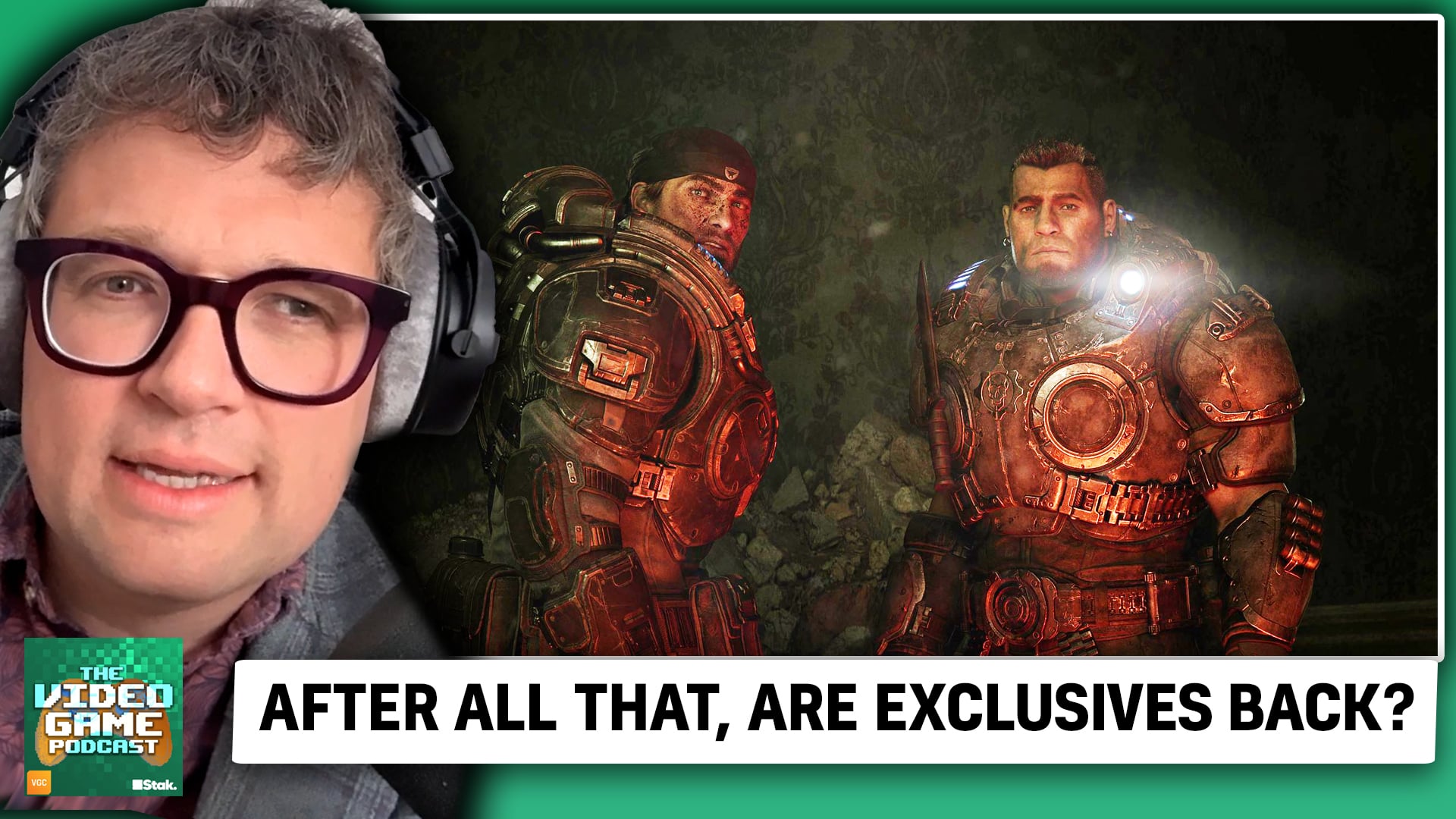
Platform Wars & Reboot Rumors: Black Flag as Strategic Signal
A separate signal sweep tracks an Xbox war room podcast dissecting Microsoft’s future strategy and studio stability, while a “ghost signal” hints at Assassin’s Creed IV: Black Flag sailing back in upgraded form.
The timing matters:
- Ubisoft’s Resynced push arrives as platform holders are under pressure to prove execution over messaging.
- Black Flag’s renewed visibility makes it an ideal candidate for subscription‑driven showcases (Game Pass, Ubisoft+), where a polished classic with modern visual passes can fill catalog gaps at lower risk.
Whether or not a full Black Flag reboot materializes, Resynced already functions as a live test balloon:
- Gauging appetite for naval‑centric Assassin’s Creed in the current market.
- Measuring whether visual resyncs plus collector packaging can meaningfully move the needle without a ground‑up remake.
Takeaways for Developers: Resync as a Production Pattern
From a #gamedev perspective, Assassin’s Creed IV: Black Flag Resynced quietly outlines a replicable strategy:
- Identify a title with one or two still‑elite systems (here: naval combat, open‑sea traversal).
- Invest in rendering, clarity, and framing, not wholesale systemic rewrites.
- Re‑launch with a narrative of archival preservation plus modern standards, rather than overselling it as new.
- Use trailers, side‑by‑side comparisons, and character spotlights (like Adewale) to re‑contextualize existing content for a new hardware generation.
For both AAA and #indiegame teams, Black Flag Resynced is less about nostalgia and more about how to responsibly mine your own back catalog—turning legacy code into a forward‑looking testbed without overextending production.
Sources and corrections
This archive entry does not have a verified article-source list. Images and video embeds alone are not evidence for every claim.
Found an error? Request a correction. Include the passage and a supporting source.
Your games, in one place
Keep up with Assassin's Creed IV: Black Flag
Follow this game to collect its posts in your personal feed. Come back to see what you missed.