Automated archive / 007 First Light
007 First Light Is Weaponizing IOI’s Sandbox For Espionage, Not Assassination
This week’s intel on 007: First Light points to a systemic espionage sim built on IOI’s Hitman-grade sandbox, where charm, stealth, and traversal operate as co-equal mechanics. If the current hands-on reports hold, Bond’s best game might also be one of the year’s most important design case studies.
AI-generated summary. This archive article does not have a current recorded source check. Check linked sources before relying on details. Editorial policy
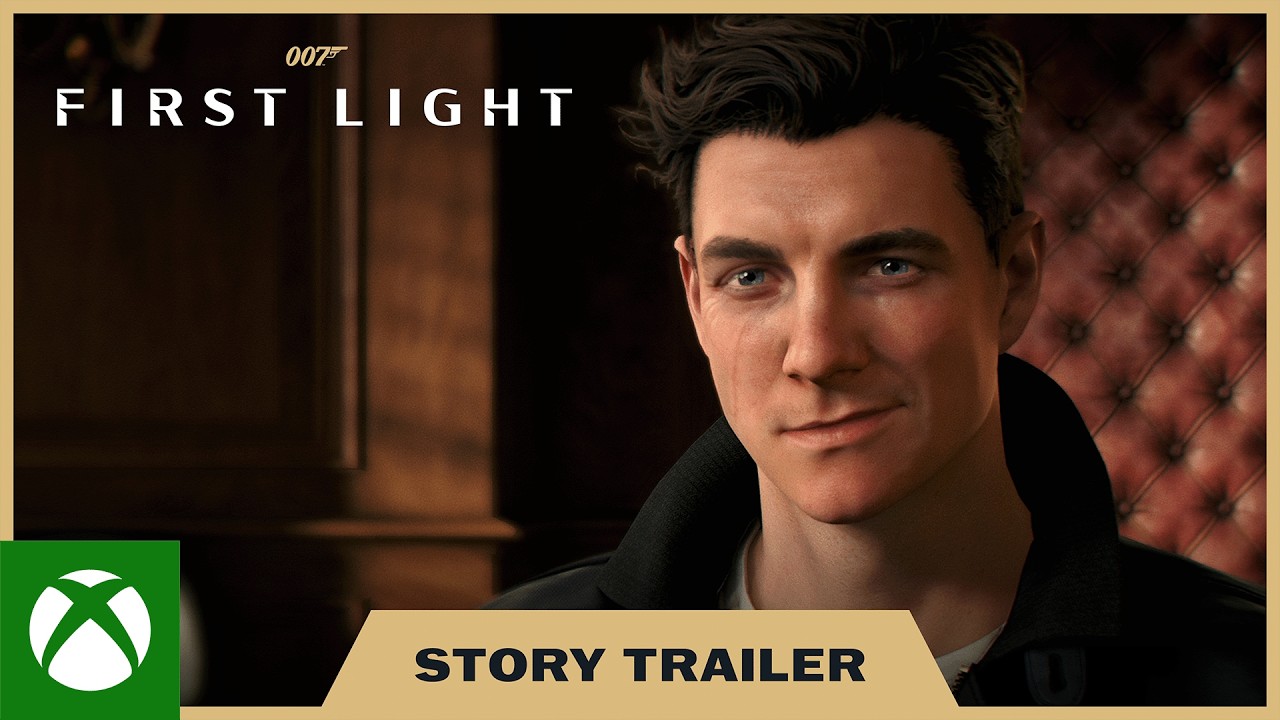
Sector Intelligence Report // 007 First Light
007 first light is emerging from the shadows looking less like a licensed one-off and more like a systemic espionage platform. Across multiple controlled hands-on sessions and final preview briefings, the picture is consistent: IO Interactive is repurposing its Hitman-grade sandbox tech into a reactive spy simulator where charisma, stealth, and traversal are all first-class systems.
This week’s activity feed reads like a coordinated escalation: a quantum-level narrative pitch, a systems-focused stealth deconstruction, and a final pre-launch operational check. Taken together, they outline a game that’s not chasing nostalgia, but actively re-architecting what a Bond game can be.
Quantum Briefing: A Live Espionage Sim, Not a Theme-Park Shooter
The most striking intel drop describes 007: First Light as feeling like a “live espionage sim” rather than a “theme-park shooter.” In #gamedev terms, that’s a pivot from scripted set-piece design to dense systemic layering:
- Reactive storytelling: Narrative “circuits” flip based on who you talk to, which disguises you burn, and which social angles you push. This suggests a branching state machine under the hood rather than simple binary choice trees.
- Social engineering as a verb set: Charm isn’t flavor text; it’s a mechanic. Dialogue, posture, and presence appear to be wired into AI suspicion and access levels, echoing immersive sims more than traditional action-adventures.
- High-impact traversal: The feed calls out “high-impact traversal,” implying that moving through a space—vaulting, climbing, sliding into cover—isn’t just animation dressing, but a tactical layer that feeds into stealth and escape routes.
The claim that a brief three-hour session was enough to label it a game of the year contender and “maybe the best Bond yet” isn’t just hyperbole; it’s a signal that the systemic design is already cohering under real play conditions.
Operational Deconstruction: Hitman Tech, Bond Philosophy
Field notes from a hands-on deconstruction confirm what many in the #gamedev community suspected: IOI is weaponizing its Hitman sandbox for Bond, but with a crucial philosophical twist.
- Multi-path infiltration: Expect familiar IOI DNA: layered level design with multiple entry vectors, verticality, and overlapping patrol routes.
- Social stealth over pure assassination: You’re not a contract killer; you’re a government asset. The sandbox is tuned for espionage, extraction, and manipulation, not elaborate murder puzzles.
- Improvised problem-solving: Gadgets, environmental affordances, and NPC behavior appear designed to support emergent solutions—blending immersive sim sensibilities with cinematic pacing.
Where Hitman often frames you as the invisible hand behind the perfect kill, 007: First Light reframes the fantasy: you are seen, you are heard, and your reputation in the room matters as much as your line of sight.
Charm as a Core Mechanic: Bond’s Charisma, Systematized
One of the most important design signals is the explicit framing of “charm as a core mechanic layered over classic stealth-action loops.” That’s not just marketing language; it implies:
- NPC state tracking tied to your dialogue choices, attire, and prior interactions.
- Gated intel and access that can be unlocked via social engineering rather than brute force.
- Dynamic mission routing, where a successful social play can open new mission branches or shortcuts, altering the critical path.
For #indiegame and AAA designers alike, this is notable: IOI is effectively treating social systems as gameplay, not cutscene glue. If it lands, 007: First Light could push more studios to invest in mechanized charisma—where conversation, deception, and seduction are as mechanically rich as shooting.
Final Systems Check: AI, Scripting, and Day-One Readiness
The final preview intel reads like a closing ops report before deployment. Key takeaways:
- Enemy AI and environmental scripting appear locked. That suggests the underlying behavior trees, patrol logic, and trigger volumes are in place, with current work focused on polish and edge-case handling.
- Stealth routing and gadget deployment are already being stress-tested in full mission simulations, meaning level geometry, sightlines, and gadget affordances are likely at content-complete state.
- Cinematic takedowns are calibrated for what the feed calls “high-agency immersion” – implying context-sensitive finishers that don’t override player control for long stretches.
For players, that translates to a launch window where systems should be stable and expressive on day one. For developers, it’s a case study in how to move from sandbox experimentation to authored espionage without sacrificing agency.
Watch: Transmitting Gameplay footage from the field: Official deep-dive briefing on 007 First Light
Strategic Outlook: Why 007 First Light Matters
From a sector-wide perspective, 007: First Light is more than a strong license play; it’s a potential design inflection point:
- It challenges the assumption that Bond must live inside on-rails shooters.
- It leans into systems-driven narrative, where every disguise and dialogue choice reconfigures the mission network.
- It demonstrates how an established sandbox engine can be retuned for a different fantasy without losing depth.
If IOI delivers on what these briefings suggest, 007 first light won’t just be “a good Bond game” – it will be a blueprint for systemic espionage design that both AAA and #indiegame teams will be dissecting for years.
Sources and corrections
This archive entry does not have a verified article-source list. Images and video embeds alone are not evidence for every claim.
Found an error? Request a correction. Include the passage and a supporting source.