
// Sector Intel: Neon streets and underworld tension set the tone for Yakuza Kiwami 3’s new era
Sector Briefing: Kiwami 3 Steps Back Into the Light
Yakuza Kiwami 3 is re-emerging as a full-fat remake rather than a light-touch remaster, and the last week’s signals paint a conflicted picture. On one side: sharper visuals, smoother combat, and a PS5 Pro build that finally lets Kamurocho’s neon breathe at modern fidelity. On the other: design revisions that risk rewriting the game’s core identity instead of reinforcing it.
For developers tracking #gamedev best practices, this remake is rapidly becoming a live case study in how far you can push a classic before it snaps. For players, it’s a tension point: do you want the original Yakuza 3 experience preserved, or a Kiwami-style reinterpretation that isn’t afraid to cut deep?
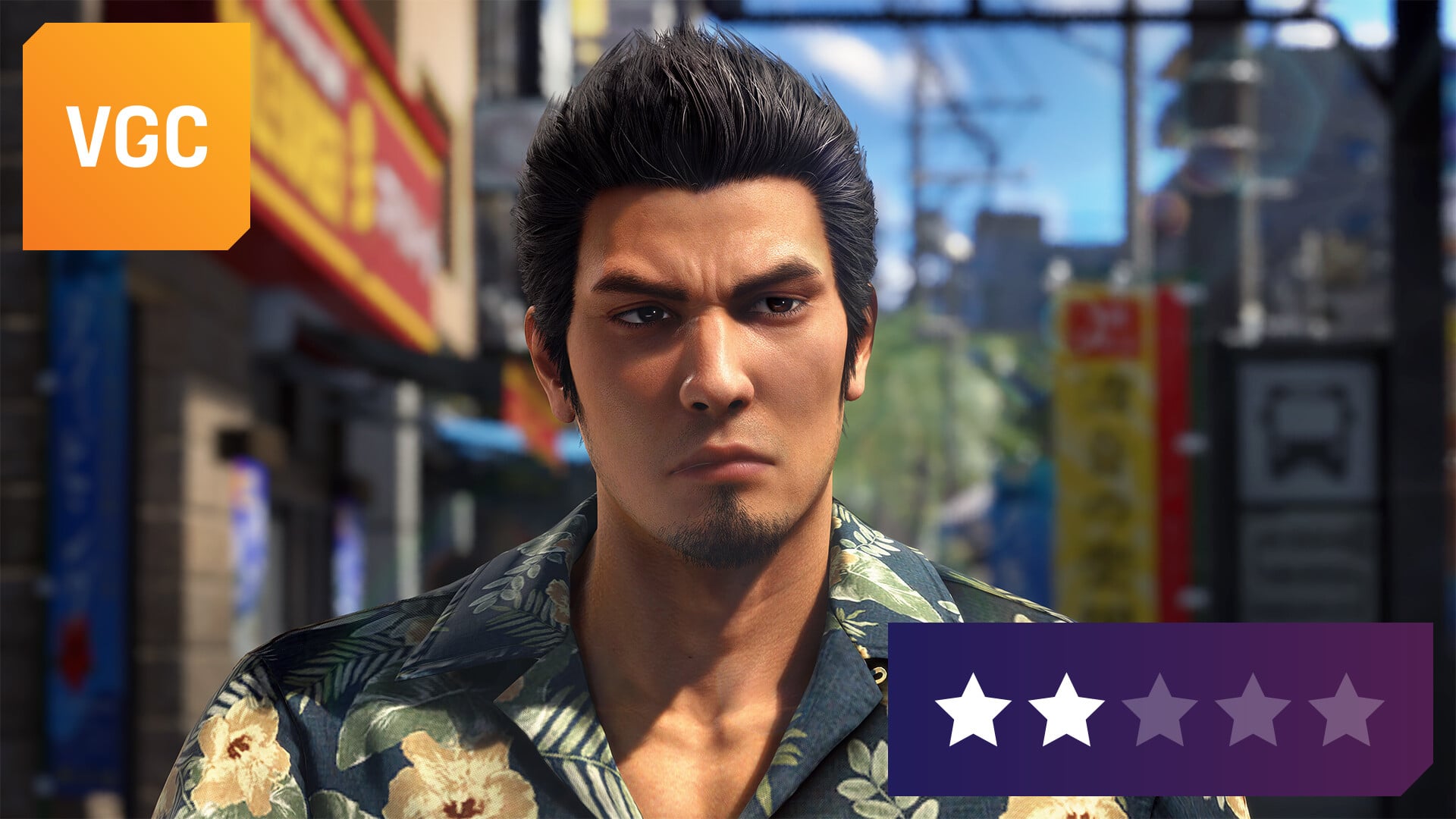
// Sector Intel: Broadcast overlay from the latest intelligence drop on Yakuza Kiwami 3 and Dark Ties
Performance Intel: PS5 Pro as the New Baseline
The most encouraging ping from the last seven days is the PS5 Pro performance profile. The intercepted gameplay slice reports:
Visual & Technical Upgrades
- Sharper image quality: Cleaner edges and more stable sub-pixel detail in Kamurocho’s dense signage and nighttime vistas.
- Improved frame pacing: The series’ trademark street brawls now read more like tightly cut fight choreography than physics-heavy chaos.
- Faster transitions: Entering shops, triggering encounters, and loading substories feel near-instant, reducing friction that once dated the original.
For #gamedev teams, this is the “how to modernize” playbook done right: fix technical bottlenecks, respect timing, preserve rhythm. Combat’s increased responsiveness makes Heat Actions land with more brutality and precision, not because they’ve been reimagined, but because the hardware finally stops getting in their way.
Dark Ties as a Systems Testbed
The Dark Ties expansion functions like a live lab for the remake’s new structure:
- Additional encounters push the revised combat loop harder, highlighting how the new timings and inputs scale under pressure.
- Fresh narrative hooks extend Kiryu’s orbit without bloating the critical path, an important signal that the team understands modern attention spans.
From a development update perspective, Dark Ties feels less like bolt-on DLC and more like a controlled experiment in how far the studio can stretch legacy design on new hardware.
// Sector Intel: Transmitting Gameplay footage from the field: Simulated combat and city pacing analysis for Yakuza Kiwami 3
Design Drift: When a Remake Rewrites the DNA
The most concerning intel doesn’t come from frame-time graphs—it comes from design intent. Recent transmissions flag that Yakuza Kiwami 3 and Dark Ties are:
- Streamlining systems to the point of losing flavor: Menus, progression, and side-content hooks appear trimmed and smoothed, but at the cost of the messy, lived-in texture that defined early Yakuza.
- Re-angling core narrative beats: Key emotional moments are reportedly reframed without the same weight, as if the script assumes players already know Kiryu and can skip some of the slower, more vulnerable beats.
- Tweaking mechanics that weren’t broken: Combat and exploration adjustments feel like they’re solving problems that didn’t exist, potentially alienating players who wanted fidelity to the 2009 experience.
This is where the remake risks going rogue. A Kiwami project isn’t just a higher-res wrapper; it’s a pact with the original game’s soul. You’re not only shipping a new product—you’re renegotiating history. For #indiegame and AA studios watching from the sidelines, the signal is clear:
Respect legacy, upgrade with intent, and never assume “new” automatically means “better.”
Lessons for Developers: Reverence vs. Revisionism
Yakuza Kiwami 3’s current trajectory surfaces three key lessons for teams planning remakes or large-scale overhauls:
1. Identify What’s Sacred Before You Touch Anything
Map out the non-negotiables: tone, pacing, character arcs, and signature systems. In Yakuza’s case, that includes:
- Slow-burn emotional scenes that linger in quiet spaces.
- The contrast between mundane errands and explosive violence.
- The feeling that Kamurocho is layered, cluttered, and slightly overwhelming.
If your streamlining process erases these, you’re not preserving the game—you’re replacing it.
2. Upgrade Systems, Don’t Erase Them
Performance, UX, and onboarding can (and should) be modernized, but systemic weirdness is often what players come back for. Over-smoothing Kiwami 3’s side content or combat risks turning a distinctive entry into just another modern action brawler.
3. Treat Expansions Like Design Prototypes
Dark Ties is a smart move: a contained space to iterate on encounter design and narrative structure. The key is to ensure its learnings inform optional extensions, not retroactive surgery on the main campaign that rewrites fan memory.
Outlook: High-Fidelity Future, Uncertain Soul
Right now, Yakuza Kiwami 3 is a paradox: technically the strongest way to experience this chapter of Kiryu’s story, but philosophically the most contentious. The PS5 Pro build and Dark Ties expansion send a confident signal on performance and content density, while the design and narrative revisions trigger alarms about identity drift.
For players, the recommendation is to track upcoming transmissions closely: how much of the original’s structure survives final tuning will determine whether this is a definitive edition or an alternate timeline. For developers, log this remake as an evolving dossier on where reverence ends and revisionism begins—and what happens when you cross that line without a clear plan.
In a landscape where every classic is a candidate for a second life, Yakuza Kiwami 3 is a reminder: technology can be upgraded overnight; trust takes a generation to rebuild.
Tags: yakuza kiwami 3, #gamedev, #indiegame, development update, Dark Ties, PS5 Pro performance, remake design analysis