Automated archive / Yakuza Kiwami 3 & Dark Ties
Yakuza Kiwami 3 & Dark Ties Tests the Limits of a Modern Remake
Yakuza Kiwami 3 & Dark Ties lands with slick PS5 Pro performance, dense content, and a bold narrative reframe—but not every remake tweak is landing cleanly with veterans. This week’s sector report dissects how Sega’s latest underworld revival balances respect for legacy with the risks of rewriting its own DNA.
AI-generated summary. This archive article does not have a current recorded source check. Check linked sources before relying on details. Editorial policy


Sector Intelligence Report // Week of Feb 15
Yakuza Kiwami 3 & Dark Ties has officially entered the wild, and the last seven days of signals paint a picture that’s equal parts technical flex, narrative ambition, and risky revisionism. For #gamedev teams tracking how legacy franchises are rebuilt, this launch is a live case study in how far you can push a remake before the fanbase starts to push back.
Launch Status: Live, Expanded, and Regionally Rolling Out
On February 12, Sega lit up the grid with the official launch of yakuza kiwami 3 & dark ties in Southeast Asia, complete with day-one DLC. That means the package isn’t just a straight remake drop—it’s a platform: core campaign, the Dark Ties expansion, and optional downloadable content that widens the activity and cosmetic surface area.
From a product strategy lens, that’s a clear attempt to:
- Front‑load engagement loops: more side activities, outfits, and combat options on day one reduce the risk of players bouncing after the nostalgia hit fades.
- Segment audiences: returning fans get new narrative threads via Dark Ties; new players get a dense, all‑in bundle that feels contemporary in scope.
The messaging leans hard into “more story, more brawls, more ways to ignore real‑world responsibilities,” signaling a design priority: keep players in Kamurocho and Okinawa as long as possible without resorting to pure grind.
Trailer Telemetry: Emotional Soap Opera Meets Surgical Violence
The launch trailer positions Yakuza Kiwami 3 as a melodramatic pressure cooker: Kiryu bouncing between orphanage caretaker and blunt‑force problem solver while Kamurocho boils over with organized crime theatrics.
Key signals from the trailer and accompanying copy:
- Duality of setting: Okinawa’s washed‑out warmth versus Tokyo’s neon‑drenched night sells an emotional range rather than just a visual refresh.
- Combat identity: “fresh conspiracies, combos, and heat moves” suggests the remake isn’t just lifting old systems; it’s layering in new mechanical expression on top of familiar brawling.
- Tone calibration: the marketing leans into “emotional soap opera plus street brawling,” which is textbook Yakuza—but now sharpened for audiences that expect cinematic pacing and tighter combat feedback.
For developers, the takeaway is how the trailer reframes a known story beat: it doesn’t retell Kiryu’s arc; it re-contextualizes it with modern staging, camera work, and more granular combat spectacle.
Performance Profile: PS5 Pro as the New Baseline
A separate intercepted gameplay slice on PS5 Pro highlights where the technical budget has been spent:
- Sharper image quality & cleaner frame pacing: the team is clearly targeting consistency over raw resolution bragging rights. That’s crucial for a combat‑heavy title where animation readability and input feel trump pixel counts.
- Snappier transitions: faster in‑and‑out of battles and sub‑stories reduces the friction that often exposes a remake’s age.
- Heat Action clarity: improved camera framing and effects density make every finisher feel more legible and brutal.
From a #gamedev standpoint, this is a reminder that remakes live or die on friction reduction. Players will forgive legacy structure if modern hardware is used to smooth the seams.
Watch: Transmitting Gameplay footage from the field: High‑fidelity brawling benchmark
Design Autopsy: When a Remake Starts Rewriting Its Own DNA
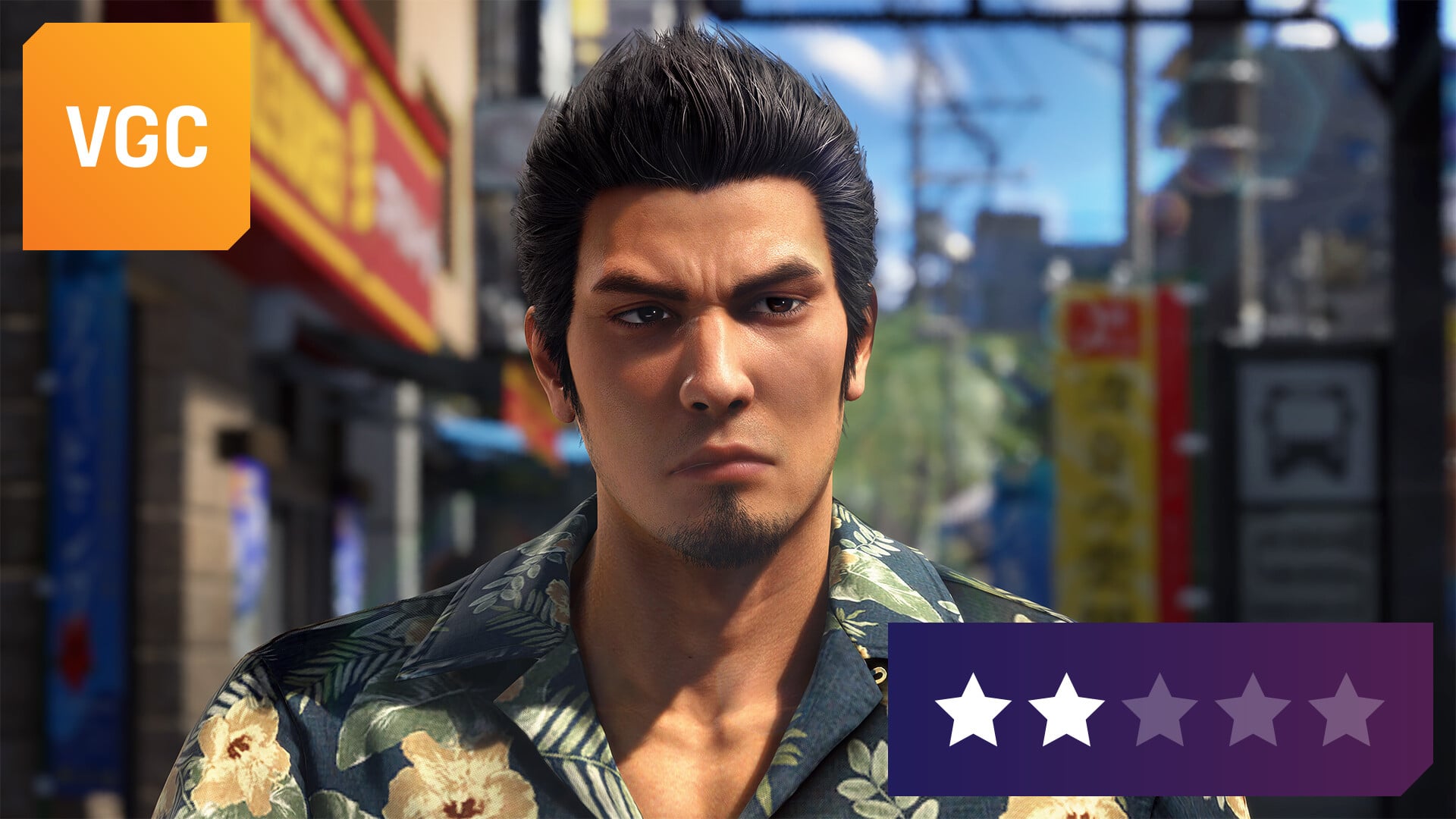
Not all telemetry is positive. One of the week’s sharpest critiques flags that Yakuza Kiwami 3 & Dark Ties may have gone too far in “fixing” what wasn’t broken.
Reported pain points:
- Over‑streamlined systems: QoL is good; erosion of flavor is not. Simplifying mechanics to modern expectations risks stripping away the eccentric friction that defined the original.
- Re‑angled narrative beats: key scenes are reportedly re‑staged or re‑weighted without the same emotional punch, creating uncanny dissonance for veterans.
- Mechanical tweaks without clear problem statements: some changes feel like solutions in search of issues, implying that not every redesign was anchored in player pain.
For teams working on remakes or remasters—especially in the #indiegame space where budgets are tighter—this is a critical lesson: a remake is a pact with the original game’s soul. Visual upgrades and UX polish are expected, but core tone, pacing, and system identity must remain legible to long‑time fans.
Dark Ties: Focused Descent vs. Sprawling Crime Opera
The Dark Ties expansion charts a slightly different course. Where Kiwami 3 remains the sprawling melodrama, Dark Ties is described as:
- More contained and atmospheric: tighter spaces, heavier mood, and a focus on moral ambiguity.
- Mechanically narrower but thematically sharper: fewer systems, more emphasis on how they reinforce tension and stakes.
The critical breakdown frames the pairing as two flavors of grit:
- Yakuza Kiwami 3 – legacy structure, big swings in tone, city‑scale drama, and a familiar “just one more chapter” pull.
- Dark Ties – a smaller, darker loop that bets on immersion and focused storytelling over maximalist content.
For developers, this dual‑package is instructive: you can experiment with tone and structure in attached content (like Dark Ties) without fully rewriting the main game’s identity. It’s a safer sandbox for narrative and systemic risk.
Strategic Takeaways for Developers
-
Respect Legacy, Upgrade With Intent
Remakes like yakuza kiwami 3 & dark ties show that audiences will tolerate—and even celebrate—mechanical and narrative revisions if they feel targeted. Broad, philosophy‑level rewrites are where resistance spikes. -
Use Hardware to Hide Age, Not Identity
PS5 Pro enhancements focus on pacing, clarity, and responsiveness. That’s the right priority stack. Don’t use new hardware just to chase spectacle; use it to make old design philosophies feel deliberate instead of dated. -
Bundle Variety, But Preserve Coherence
Pairing a sprawling main game with a more intimate expansion is smart portfolio design—so long as marketing and in‑game framing make the tonal shift explicit. -
Treat DLC as a Design Lab
The day‑one DLC and Dark Ties content effectively function as a live R&D space. For #indiegame teams, smaller expansions can be a proving ground for bolder ideas before committing to them in a full sequel.
As the dust settles on launch week, Yakuza Kiwami 3 & Dark Ties stands as both a technical success story and a philosophical cautionary tale: you can modernize a classic, but if you overwrite too much of its DNA, the fans who show up for reverence may feel like they’ve walked into a reboot instead of a homecoming.
Sources and corrections
This archive entry does not have a verified article-source list. Images and video embeds alone are not evidence for every claim.
Found an error? Request a correction. Include the passage and a supporting source.