Automated archive / WWE 2K26
WWE 2K26 Stress‑Tests Its Systems, From Lucha Live Ops to Switch 2 Performance
WWE 2K26’s opening post‑launch week is a live‑ops stress test, from Lucha‑themed Season 1 content to hardening the Ringside Pass economy and pushing the game onto Switch 2. Underneath the spectacle, Visual Concepts is rapidly tuning balance, progression, and performance to keep the digital squared circle stable.
AI-generated summary. This archive article does not have a current recorded source check. Check linked sources before relying on details. Editorial policy
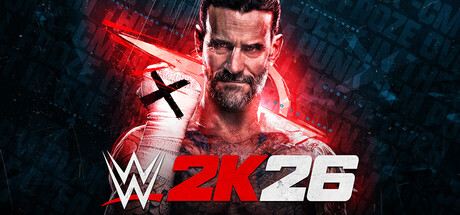
Sector Overview: WWE 2K26’s First Live‑Ops Stress Test
The past week has been WWE 2K26’s first real post‑launch systems trial. Between a live Season 1 rollout, early balance tuning, hardware comparison tests and fresh monetization adjustments, Visual Concepts is already shifting from shipping mode to service‑era stewardship.
For #gamedev watchers, this seven‑day window reads like a compact case study in live balance, cross‑platform ambition, and engagement economy control—all while trying to keep the spectacle of pro wrestling intact.
Season 1: “¡Esto es Lucha!” Sets the Live‑Service Tone
The most visible move is the deployment of Season 1 under the codename “¡Esto es Lucha!”, which hard‑pivots the spotlight onto Lucha Libre specialists and high‑velocity aerial styles.
From a systems design perspective, this is a clear thesis statement for WWE 2K26’s first content cycle:
1. Lucha as a Mechanical Showcase
High‑flyer archetypes stress‑test several core pillars at once:
- Animation density (springboards, dives, rope interactions),
- Collision and hit‑reg on complex aerial routes,
- Crowd response simulation, since Lucha pacing leans heavily on hot sequences and reversals.
Front‑loading this style in Season 1 suggests confidence in the underlying animation pipeline and physics, and it gives the team rich telemetry on timing windows, reversal satisfaction, and stamina tuning.
2. Live‑Ops Cadence and Identity
Branding the first season around a distinct wrestling culture is also a live‑ops identity play. Instead of a generic “Season 1 Battle Pass,” WWE 2K26 is anchoring its content drops in strong themes—Lucha masks, arena flair, and specialist movesets. For #indiegame devs studying AAA service models, this is a reminder: thematic cohesion boosts retention more than raw volume of content.
Expect future seasons to pivot to other substyles (hardcore, technical, sports‑entertainment characters) with similarly sharp identities if this first outing hits its KPIs.
Patch 1.04: Ringside Pass RXP Economy Gets Hardened
The other big lever pulled this week is Patch 1.04, which targets the Ringside Pass RXP economy. The patch notes, translated into design language, are blunt:
- Low‑effort, short‑match farming routes have been sandbagged.
- Legitimate, full‑flow play now returns cleaner, faster progression.
This is the classic early‑season move in a modern sports title: close the cheese, reward the grind. From a #gamedev economy standpoint, the intent is clear:
- Protect perceived fairness – If players see others racing through the pass via exploits, the battle pass loses its aspirational pull.
- Align RXP with intended play patterns – 2K wants players in proper match lengths, varied modes, and authentic wrestling scenarios, not spamming ultra‑short squash matches.
- Stabilize monetization optics – When RXP feels reasonably earnable through normal play, optional purchases of tiers or boosts feel less predatory and more like time‑savers.
The interesting detail is that the patch is pitched as making RXP “easier to gain, but harder to exploit.” That signals a willingness to raise the floor while tightening the ceiling, a pattern we’ve seen succeed in other service titles: make the honest path feel better while quietly killing the degenerate loops.
Locker Codes: Controlled Injection into the MyFaction Economy
Parallel to the RXP tuning, WWE 2K26 pushed a new wave of Locker Codes for March 2026, feeding MyFaction with free cards, VC, MFP, and tokens.
This is another key axis of the game’s engagement economy:
- Short‑term: Locker Codes spike daily active users as players log in to redeem limited‑time rewards.
- Mid‑term: They keep the MyFaction meta in motion, injecting new cards and resources without forcing direct spend.
- Long‑term: They function as a pressure valve; by offering periodic freebies, 2K can calibrate perceived generosity while still monetizing deeper spenders.
From a design perspective, the locker‑code cadence is tightly interlocked with RXP tuning. If progression is slightly slowed by exploit fixes, free injections of value help soften the blow and keep sentiment stable.
Finisher Pain Index: Feel Tuning and Spectacle Validation
One of the more colorful intel drops this week was a live‑fire WWE 2K26 test featuring Bayley and Jacob Fatu, focusing on:
- Which finishers feel most painful,
- Favorite superstars,
- And the moment‑to‑moment systems feel.
This isn’t just marketing fluff—it’s feel QA in public. Having real ring talent react to their digital finishers gives the team high‑value feedback on:
- Animation weight and follow‑through – Do moves look like they’d end a match?
- Camera work and cut timing – Are we holding the right frames long enough to sell impact?
- Audio layering – Crowd pop, commentary stings, and ring SFX all contribute to a perceived “pain index.”
For WWE 2K26’s long‑term health, this is crucial. The combat loop isn’t just about frame data; it’s about emotional payoff. When finishers hit like damp squibs, the entire power fantasy collapses. Using superstar‑driven content to validate the finisher meta is a smart cross between authenticity check and viral content strategy.
Power Metrics: Jacob Fatu Rating Disclosed
Jacob Fatu’s in‑game rating reveal and his on‑camera reaction is another small but important data point. Ratings are a soft balance lever that heavily shape the online and MyFaction metas.
By framing the reveal around his own “threat assessment” and readiness to prove the number in the ring, 2K does two things:
- Narrativizes balance decisions – A rating isn’t just a number; it’s a conversation starter between devs, talent, and players.
- Pre‑loads meta expectations – High ratings telegraph which superstars may dominate early online play, and the team can watch usage and win‑rate data to decide future tuning.
For competitive players, this is an early signal on where the “tier list” might settle, and for designers it’s a live laboratory on how much star power can bend balance before it breaks fairness.
Hardware Stress Test: WWE 2K26 on Switch 2 vs Xbox Series X
The week also delivered a side‑by‑side performance comparison between WWE 2K26 on Switch 2 and Xbox Series X—a crucial test for 2K’s hybrid hardware ambitions.
Key points for technical observers:
- Frame stability – Wrestling games are extremely sensitive to frame pacing; timing windows for reversals and combos rely on consistent output. Any wobble on Switch 2 is more damaging than in slower genres.
- Visual parity strategies – Expect dynamic resolution, trimmed crowd density, or lower‑fidelity lighting on Switch 2 while preserving animation clarity and readability in the ring.
- Loading discipline – Entrance sequences, arena loads, and mode transitions must be tight enough for handheld play. Long loads kill “one more match” loops on portable hardware.
For #gamedev teams eyeing multi‑platform sports titles, WWE 2K26’s Switch 2 deployment will be a telling blueprint: how much spectacle can you retain while protecting competitive integrity on weaker or hybrid hardware?
Strategic Takeaways for the Week
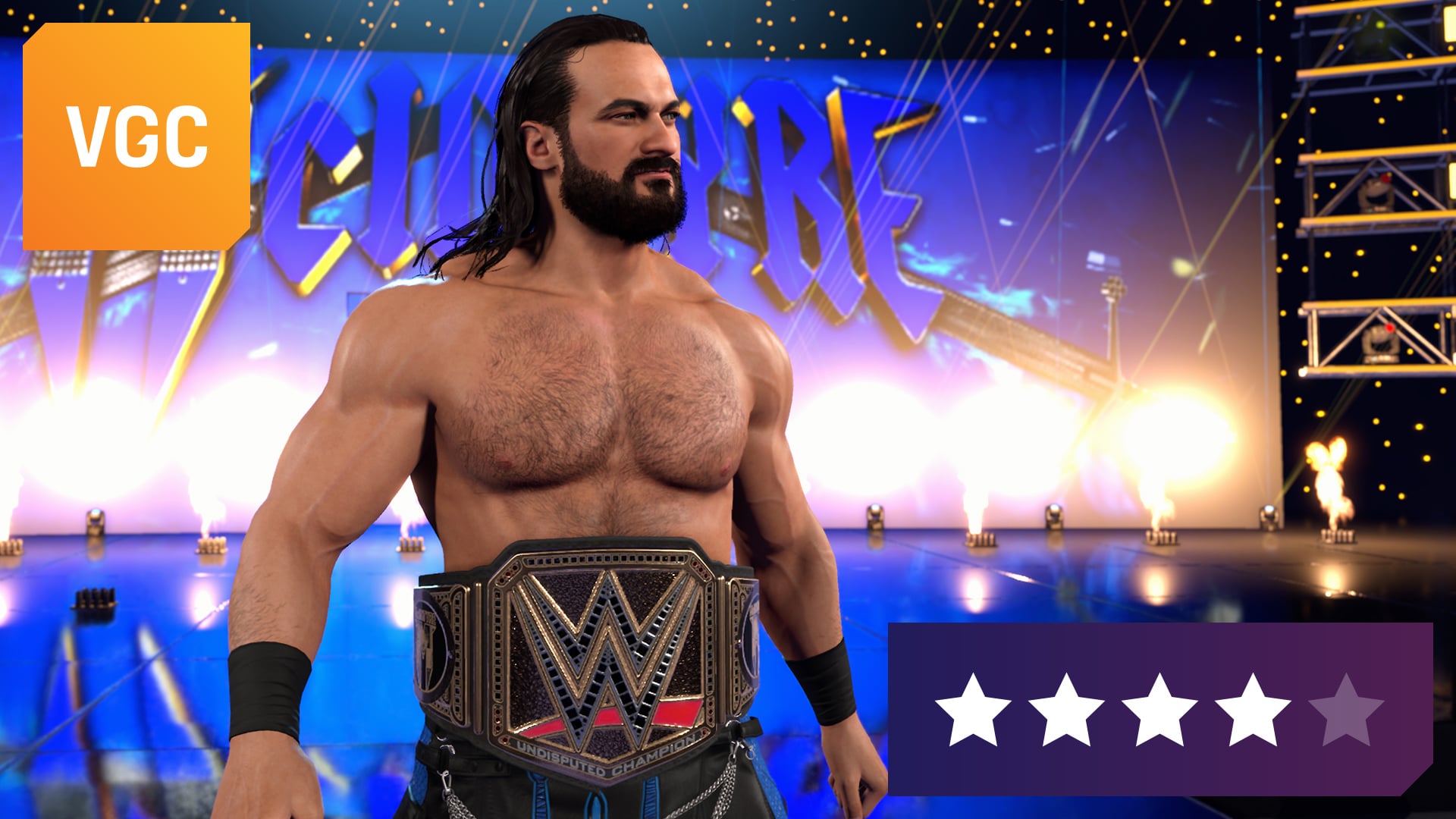
From a sector‑wide perspective, WWE 2K26’s first major post‑launch week shows a studio aggressively managing three fronts at once:
- Content Identity – “¡Esto es Lucha!” plants a flag that each season will have a strong stylistic spine, not just a checklist of cosmetics.
- Economy Integrity – Patch 1.04 and March’s Locker Codes demonstrate a tight grip on the Ringside Pass and MyFaction economies, aiming to reward honest play while still enabling monetization.
- Technical Reach – The Switch 2 vs Xbox Series X comparison underscores 2K’s commitment to broad platform coverage without sacrificing timing‑sensitive gameplay.
For players, the message is clear: WWE 2K26 is already in active evolution mode. For developers and #indiegame teams, this week’s moves are a compact playbook in how to ship, listen, and iterate on a live sports title without losing the core fantasy of stepping into the digital squared circle.
Sources and corrections
This archive entry does not have a verified article-source list. Images and video embeds alone are not evidence for every claim.
Found an error? Request a correction. Include the passage and a supporting source.
Your games, in one place
Keep up with WWE 2K26
Follow this game to collect its posts in your personal feed. Come back to see what you missed.