Automated archive / WWE 2K26
WWE 2K26 Enters Launch Season with Fire, Legacy, and a Stubborn Old Engine
WWE 2K26 has officially hit launch velocity, doubling down on spectacle, refined systems, and legacy-driven unlocks while still dragging an aging engine behind it. Our Sector Intelligence Report dissects the Inferno Match tech, Ringside Pass economy, and the long-term risks of iterative dominance.
AI-generated summary. This archive article does not have a current recorded source check. Check linked sources before relying on details. Editorial policy
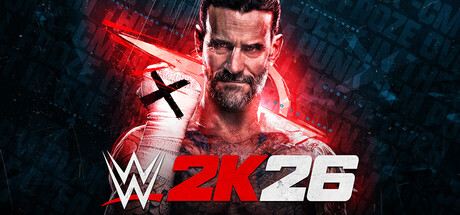
Sector Overview: The Show Officially Takes Over
WWE 2K26 has moved from controlled testing into full launch deployment, and the last seven days of data paint a clear picture: this year’s entry is less a revolution and more a ruthless refinement pass on an already dominant wrestling sim. The “The Show Takes Over” launch trailer pushes a broadcast-first identity, leaning into TV-style camera work, pyrotechnics, and superstar-powered marketing gravity from CM Punk, Randy Orton, and Logan Paul.
At the systems level, WWE 2K26 is positioning itself as the de facto live-service wrestling platform rather than a one-and-done annual product. Creation tools, progression economies, and presentation pipelines are tuned for long-tail engagement, even as the underlying tech stack shows its age. For #gamedev watchers, this is a case study in how far you can stretch a legacy engine with targeted upgrades instead of a full rebuild.
Watch: Transmitting Gameplay footage from the field: WWE 2K26 – The Show Takes Over Launch Trailer
Thermal Systems: Inferno Match as a Tech Showcase
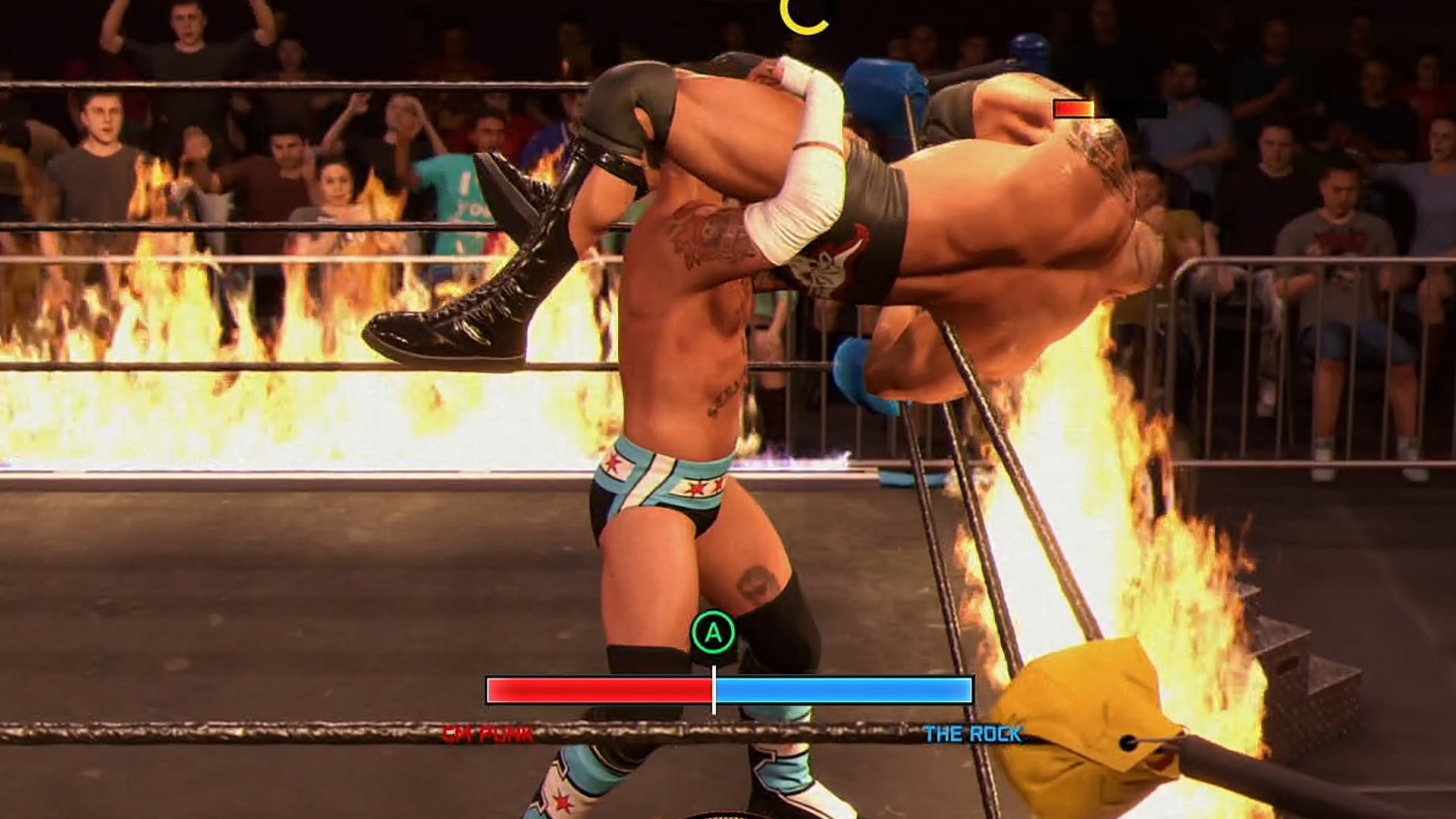
The Inferno Match simulation is emerging as WWE 2K26’s most interesting systemic upgrade. Field recordings of Cody Rhodes vs Joe Hendry inside a fire-wrapped containment ring highlight a few key design pivots:
Fire as a Live Gameplay Variable
Instead of being a pure visual gimmick, the dynamic fire geometry is now hard-coupled to ring positioning, grapples, and strikes. The closer a wrestler drifts toward the ropes, the tighter the risk envelope becomes, forcing players to make conscious spacing decisions. This is a subtle but meaningful shift from animation-first spectacle to space-control gameplay.
Hit reactions and crowd audio appear near-final, suggesting the Inferno Match is being used as a stress test for the interaction between VFX, collision, and animation blending. For #indiegame developers studying systemic danger zones (poison circles, shrinking arenas, environmental hazards), WWE 2K26’s Inferno implementation is a high-budget reference point.
Presentation & Visual Stack: Facial Firmware Upgrade
The visual database has undergone a broad facial firmware upgrade, with over 100 superstar scans and attires reworked. Side-by-side comparisons with WWE 2K25 show sharper shaders, more nuanced skin rendering, and improved hair and fabric simulation. It’s not a generational leap, but it’s a clear content-quality spike on a familiar engine.
From a production lens, this is the classic asset-focused iteration year: instead of reinventing the pipeline, the team has optimized it, pushing more realistic likenesses and broadcast framing while keeping the same core rendering tech. That aligns with the review sentiment: WWE 2K26 is still the “Head of the Table” in its genre, but you can see the seams of an engine overdue for a true next-gen overhaul.
Systems Report: Strengths, Weaknesses, and the Aging Codebase
Early reviews frame WWE 2K26 as a polished powerhouse with familiar scars. Match flow is tighter, animations chain more cleanly, and signature move fidelity remains top tier. Creation modes and sandbox tools continue to be the franchise’s secret weapon, offering depth and replayability that most sports titles can’t touch.
However, the legacy bugs and rough edges are still present. Collision quirks, occasional logic misfires, and UI friction serve as reminders that this is a heavily iterated codebase, not a fresh architecture. For #gamedev observers, WWE 2K26 is a live example of the trade-off between annualized shipping cadence and deep technical renewal: you get reliable iteration, but at the cost of carrying technical debt forward.
Progression Economies: Ringside Pass & RXP Optimization
The Ringside Pass is WWE 2K26’s battle-pass-style progression layer, and optimization guides are already pushing players toward short-duration, high-yield match loops. The meta is clear:
High-Efficiency Grind Design
- Prioritize short matches that can be completed in rapid succession.
- Stack challenges and daily objectives to multiply RXP gains.
- Maintain consistent play windows to avoid falling behind on time-limited tiers.
From a systems design angle, this is a textbook example of engagement-first progression: the game rewards routine, repeatable bursts over long, infrequent sessions. It’s effective, but it also risks nudging the experience toward grind if content variety can’t keep pace with the required volume of matches.
Legacy Protocols: Unlocking Stone Cold Steve Austin
The Stone Cold Steve Austin unlock flow underlines WWE 2K26’s approach to legacy content: iconic superstars are gated behind targeted objectives and match conditions rather than simple currency purchases. Players are asked to engage with curated “legacy arcs”, effectively turning unlocks into mini-campaigns.
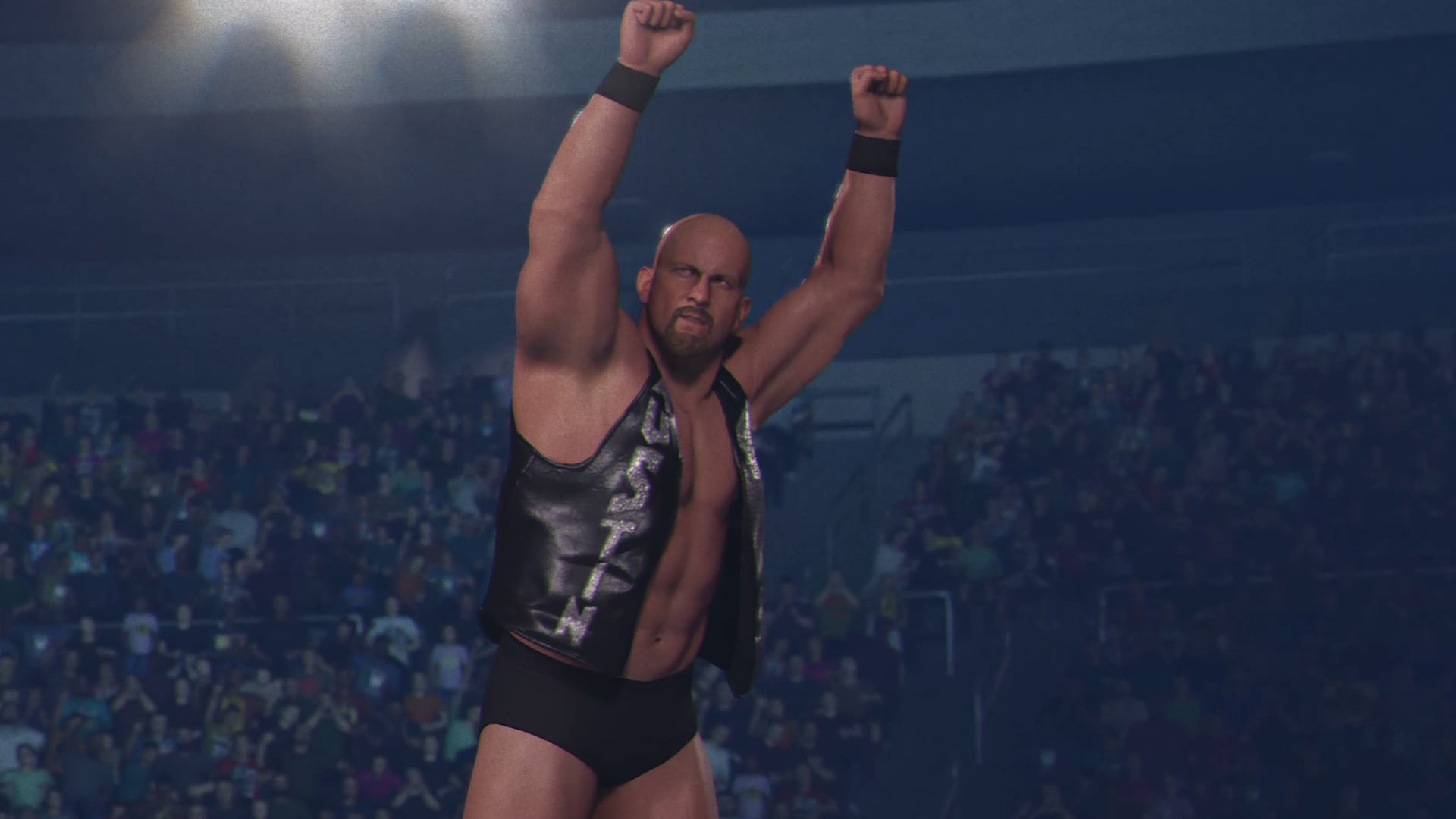
Design-wise, this is a smart middle ground between nostalgia and retention. It:
- Drives players into specific modes and match types.
- Creates story-adjacent challenges that feel thematically on-brand.
- Adds perceived value to the roster by making certain names feel earned, not just owned.
For developers, it’s a reminder that content gating can be narrative-driven, not just economic.
Market Position: Still the Champ, Not Yet “Mr. Perfect”
The current intelligence consensus: wwe 2k26 remains the market leader in wrestling simulation, but it’s not the definitive, problem-free iteration fans still hope for. The spectacle is dialed up, the roster is deep, and the systems are more refined than in 2K25, yet the underlying tech hints that a more radical evolution is still somewhere down the roadmap.
From a sector perspective, WWE 2K26 is a case study in incremental dominance—a title that understands its core audience, maximizes its existing tools, and uses content, progression, and presentation to maintain control of the ring while deferring the big engine gamble to a future cycle.
For players, it’s the most complete wrestling sim on the market. For #gamedev and #indiegame teams watching from the outside, it’s an instructive look at how far you can push an aging foundation with sharp systems design, focused visual upgrades, and a clear live-service strategy.
Sources and corrections
This archive entry does not have a verified article-source list. Images and video embeds alone are not evidence for every claim.
Found an error? Request a correction. Include the passage and a supporting source.
Your games, in one place
Keep up with WWE 2K26
Follow this game to collect its posts in your personal feed. Come back to see what you missed.