Back to guides and news
Gaming
March 9, 2026
Sector Intelligence Report: WWE 2K26 Locks In as the Era’s Defining Wrestling Sim – But the Next Leap Still Looms
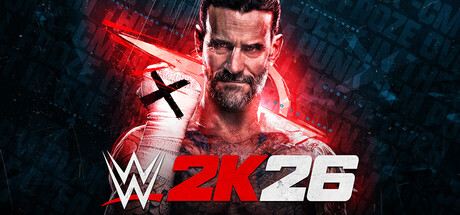
Key art uplink: WWE 2K26 main promotional header
Sector Intelligence Report // WWE 2K26
WWE 2K26 has officially flipped the switch from pre-launch chatter to full broadcast takeover. Over the last seven days, the signals coming out of 2K’s ecosystem paint a clear picture: this year’s entry doubles down on polished spectacle, systemic refinement, and long-tail progression hooks, while still running on a tech stack that’s starting to show its age. For #gamedev watchers and competitive bookers alike, WWE 2K26 is less a revolution and more a ruthlessly tuned iteration – a product of a mature pipeline that knows exactly what sells, and where it can still be broken.
Launch State: “The Show Takes Over” as a Design Statement
The launch trailer doesn’t just sell hype; it broadcasts the design thesis for WWE 2K26. CM Punk, Randy Orton, and Logan Paul are used as high-visibility anchors to underline three pillars: legacy star power, mechanical familiarity, and social-era virality. The framing is all about broadcast energy – camera sweeps, crowd surges, and ramp-to-ring transitions that feel closer to live TV direction than ever.
From a production standpoint, this is 2K flexing a mature content pipeline. Animations and lighting reads suggest incremental improvements rather than wholesale rewrites, but the emphasis on heavy impacts and arena-scale pageantry indicates targeted tuning of hit reactions, crowd audio mixing, and presentation layers. For #gamedev teams, WWE 2K26 is a case study in how to evolve a live sports-entertainment sim without destabilizing the core loop.
Systems Check: A Polished Powerhouse with Legacy Code Ghosts
The early review data in the feed is blunt: WWE 2K26 remains at the top of the wrestling sim hierarchy, but it’s not the mythical “clean build” fans keep hoping for. Match flow is described as tighter, with improved pacing between strikes, grapples, and reversals, and fewer of the hard-stops that plagued earlier entries. Creation Suite depth and mode variety still form the backbone of player retention – an important note for anyone tracking how annualized sports titles maintain engagement without radical redesigns.
However, the same report flags familiar issues: legacy bugs, edge-case physics, and AI quirks that undermine the otherwise robust simulation. This is the cost of iterating on a long-lived engine: every new feature has to coexist with years of shipped content and systems. For developers in the #indiegame wrestling and combat-sports space, 2K26 is both a warning and an opportunity – you can’t match this scale, but you can outmaneuver this kind of technical baggage with cleaner, leaner stacks.
Thermal Systems: Inferno Match as a High-Risk, High-Spectacle Module
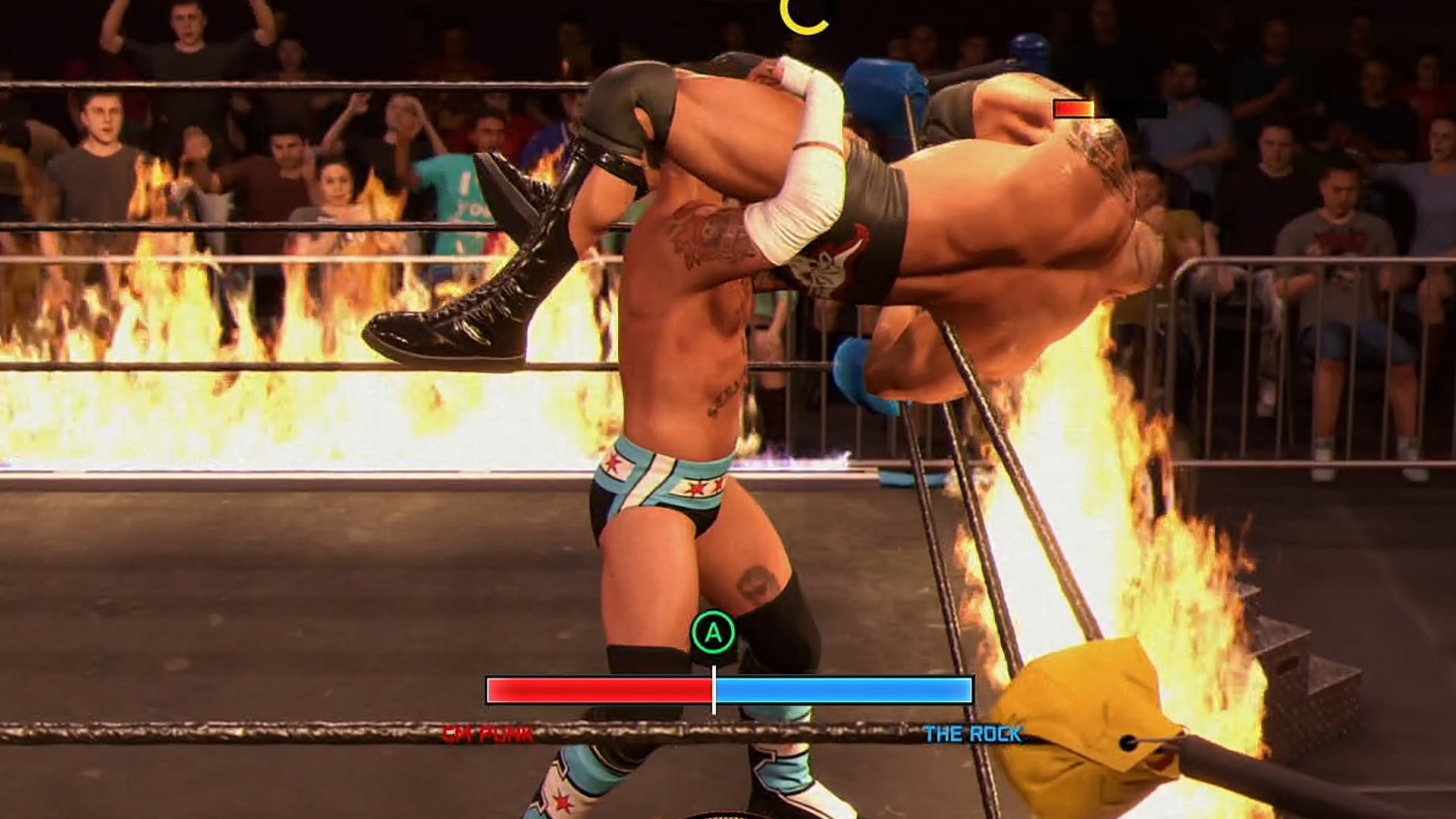
One of the standout signals this week is the Inferno Match module, showcased via Cody Rhodes vs Joe Hendry. This isn’t just a cosmetic fire gimmick; the feed explicitly notes that strikes, grapples, and positional play are hard-coupled to flame proximity, creating a continuous risk envelope around the ring.
From a systems-design perspective, that’s significant. Tying environmental hazards directly into hit detection and movement logic elevates the match type from novelty to meaningful ruleset variant. The report also calls out near-final visual FX, crowd response, and hit reactions, suggesting the VFX and animation teams have tightened their collaboration loops to sell danger and heat without drowning the ring in noise.
For designers tracking WWE 2K26 as a reference, the Inferno Match is a strong example of how to layer systemic risk on top of an established combat model without rewriting the entire engine.
Progression & Monetization: Ringside Pass RXP as a Grind Economy Blueprint
The Ringside Pass intel is unambiguous: WWE 2K26’s progression economy is tuned around short, repeatable engagement bursts. Players are advised to prioritize quick match types, stack challenges, and lean into daily objectives to maximize RXP gain and clear tiers at speed.
This reads like a battle-pass philosophy adapted to a wrestling sim context. The emphasis on time-efficient loops and consistent daily play windows is straight out of the live-service playbook. For #gamedev teams, this is a clear signal of where monetization and retention design is headed in premium sports titles: not just cosmetic FOMO, but structured grind paths that reward disciplined scheduling.
The risk, of course, is burnout. If the optimal path is too obviously grindy, the fantasy of being a booker or superstar can collapse into spreadsheet optimization. The fact that 2K’s own guides are leaning into efficiency tips suggests they’re aware of the friction and are trying to frame it as mastery rather than chore.
Legacy Unlocks: Stone Cold as Content Gated by Narrative Objectives
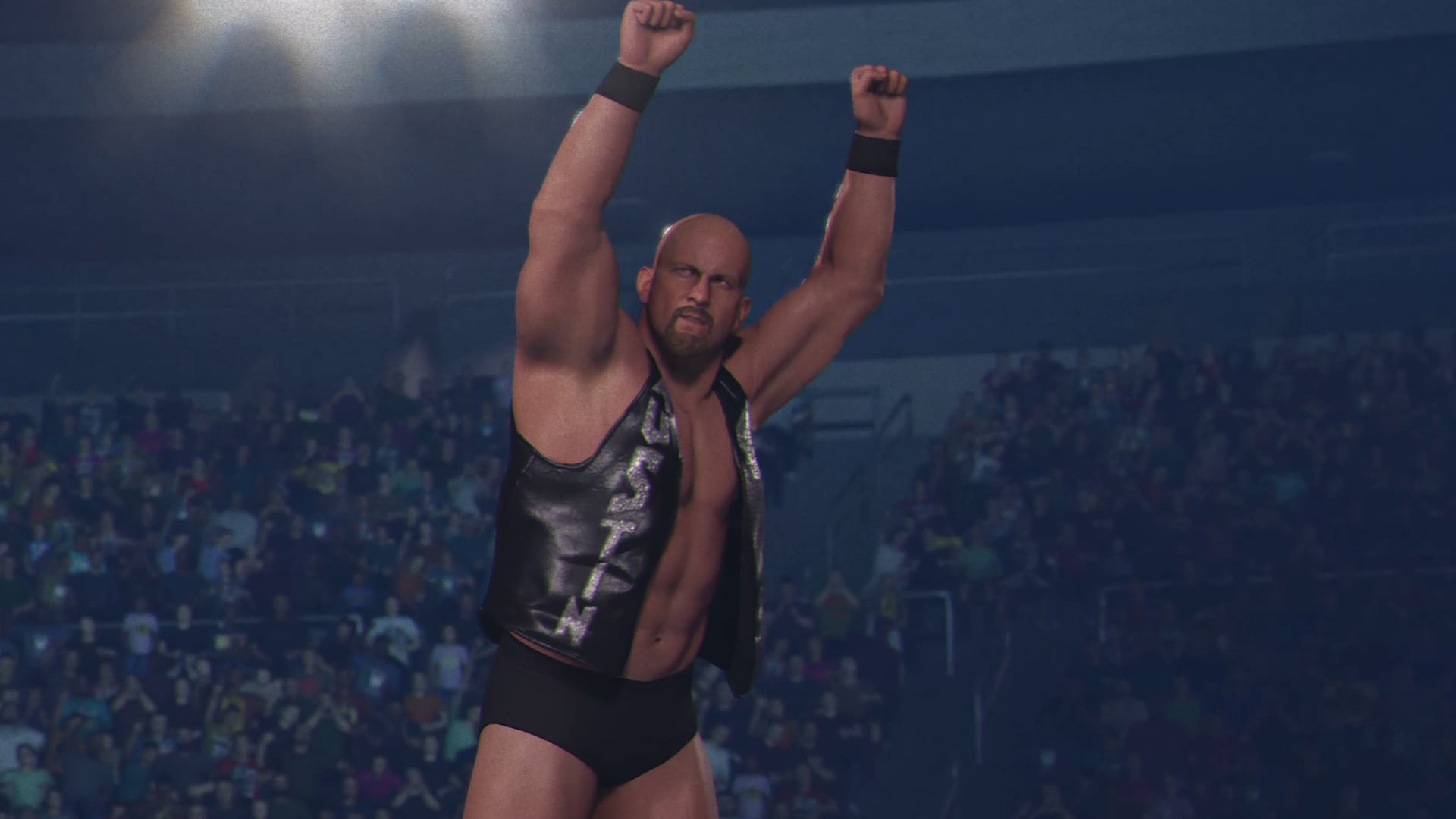
The Stone Cold Steve Austin intel packet is one of the more interesting design notes this week. Rather than shipping the Texas Rattlesnake as a default roster entry, WWE 2K26 tucks him behind specific in-game objectives and match conditions tied to his legacy arcs.
This isn’t just about padding playtime. It’s about integrating unlocks into narrative framing – making roster expansion feel like a journey through WWE history rather than a menu toggle. For players, it creates a targeted objective track; for designers, it’s a reminder that unlockable content can be positioned as story-driven progression instead of pure grind.
Still, there’s a balance question here. Locking one of the most iconic wrestlers behind conditions can read as either smart engagement design or needless gatekeeping, depending on how demanding those objectives are.
Visual Stack: Face-Scan Overhaul and Next-Gen Presentation
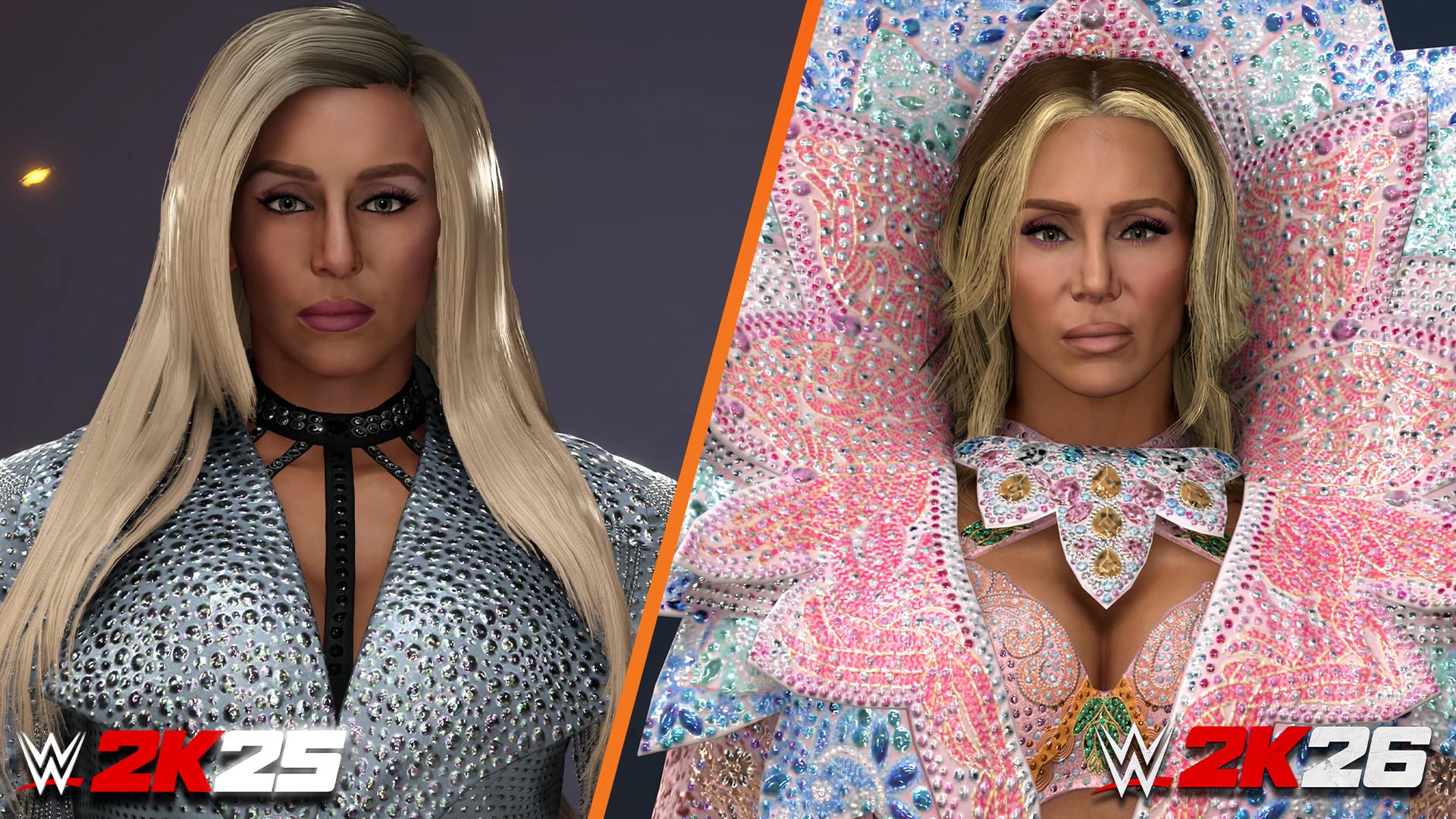
The facial firmware upgrade report confirms a substantial visual pass: over 100 superstar face scans and attires have been rebuilt compared to WWE 2K25. The callout to studying shader and model changes frame-by-frame underscores how much of WWE 2K26’s leap is perceptual polish rather than raw tech revolution.
For players, this means more accurate likenesses, better material response on skin, fabric, and belts, and a broadcast package that feels closer to what you see on weekly TV. For artists, it’s a reminder that annualized franchises can still make meaningful gains through focused asset refreshes, even when the engine itself is evolutionary, not revolutionary.
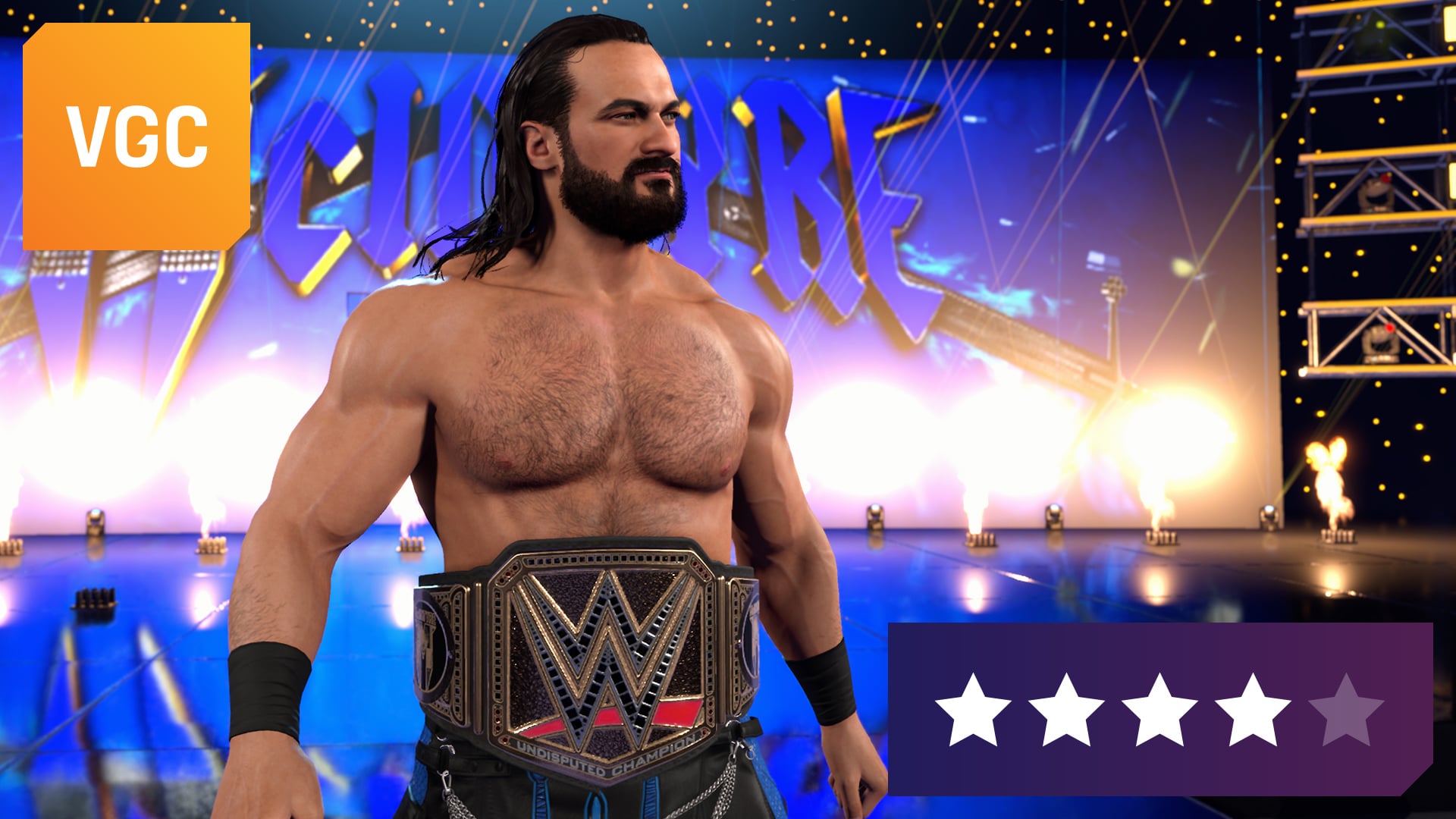
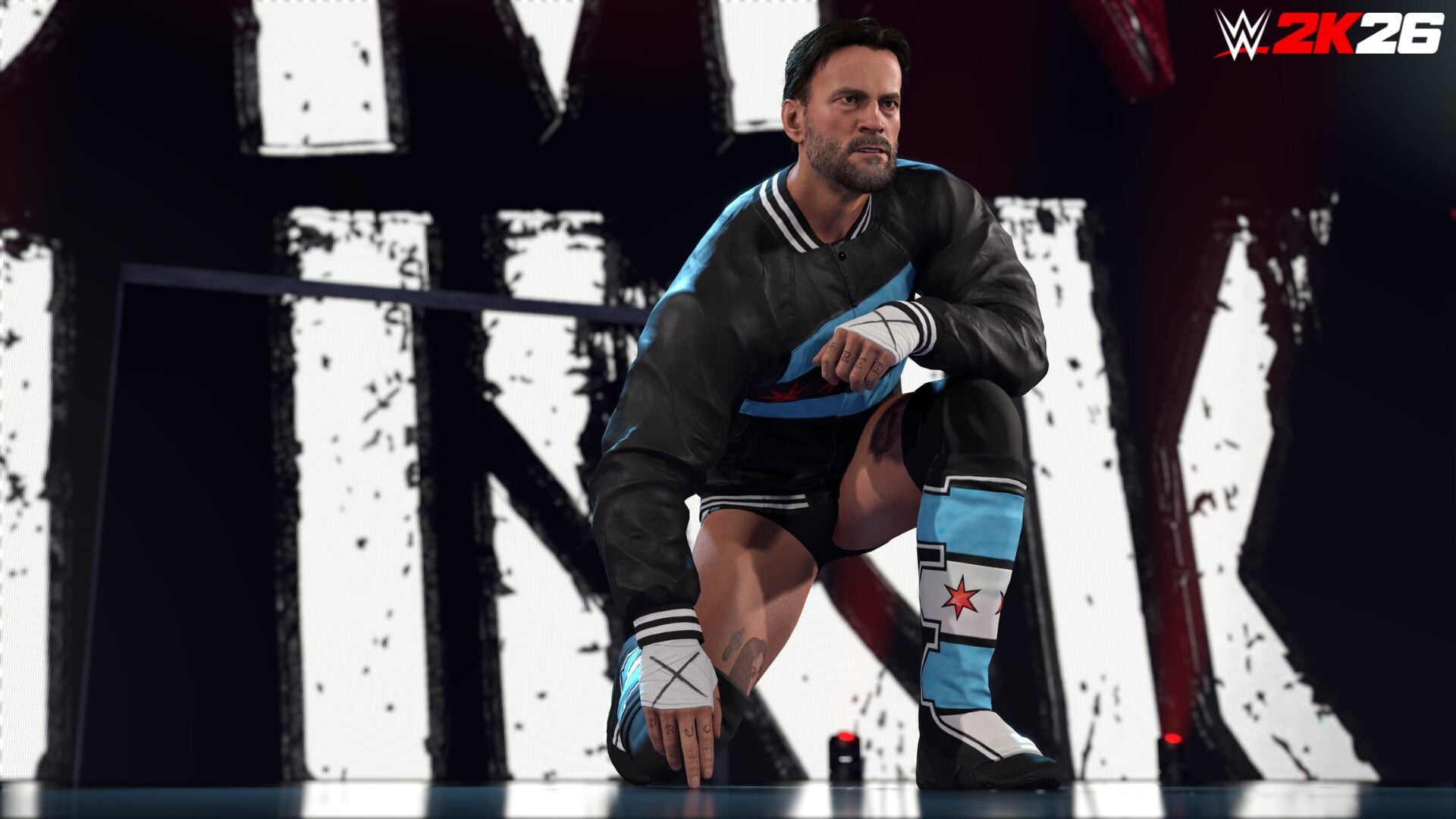
Ringside capture: WWE 2K26 social-era presentation and superstar focus
Strategic Outlook: Head of the Table, Not Yet Mr. Perfect
Taken together, this week’s WWE 2K26 activity feed sketches a clear profile. This is a confident, commercially tuned wrestling sim that knows its audience and its strengths: deep creation tools, high-fidelity superstar presentation, and a match engine that’s been stress-tested over multiple cycles.
But the subtext is just as important. The review language about an aging tech stack and persistent bugs signals a ceiling approaching. The next true evolution – whether that’s a deeper physics rewrite, AI overhaul, or more simulation-driven match logic – hasn’t arrived yet.
For now, WWE 2K26 is the undisputed market leader, a polished powerhouse that refines rather than redefines. Anyone tracking the space – from #indiegame wrestling devs looking to disrupt, to big-publisher teams planning their own sports sims – should treat this year’s entry as both a benchmark and a warning: iteration can keep you on top, but it can’t hold the belt forever.
Keep following WWE 2K26
News, guides, posts, and game details in one place.
Open the game hub, then save it to build your personal Breach feed.
More images and video



About the game
WWE 2K26
Visual Concepts
Step into the adrenaline-fueled world of WWE 2K26, where the excitement of 'co-op extraction shooters' meets the visual splendor of Unreal Engine 5. With CM Punk's legendary 'Best In The World' Showcase, wrestle through iconic moments and relive the grandeur of the wrestling universe. Dive into a robust tactical gameplay loop that challenges you to be the strongest digital titan amid a high-octane cybernetic coliseum where every decision counts.
Open game pageTopics
wwe 2k26
WWE 2K26 review
WWE 2K26 Inferno Match
WWE 2K26 Ringside Pass
WWE 2K26 Stone Cold unlock
wrestling game development
sports game live service design
#gamedev
#indiegame
wrestling simulation