Automated archive / WWE 2K26
WWE 2K26 Turns Up the Heat with Inferno Logic, I Quit Psychology, and Next-Gen Showcraft
WWE 2K26’s latest intel drop trades empty spectacle for systemic clarity, showcasing a more methodical wrestling sim built on smarter match logic, sharper presentation, and a recalibrated live-service spine. Inferno and I Quit matches, MyRISE narrative funnels, and Creator Fest insights all point toward a series...
AI-generated summary. This archive article does not have a current recorded source check. Check linked sources before relying on details. Editorial policy
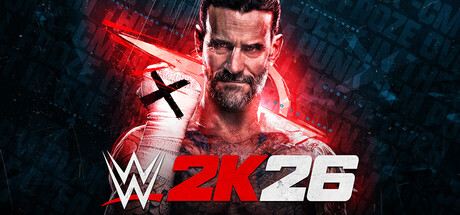
Sector Snapshot: WWE 2K26’s Systems Come Into Focus
Over the last week, WWE 2K26 has shifted from teaser territory into a full-on systems reveal. Between long-form gameplay drops, Creator Fest breakdowns, and focused looks at new match types, we’re finally seeing how Visual Concepts is steering the series deeper into methodical ring psychology and broadcast-grade spectacle.
For #gamedev watchers and designers tracking combat tuning, presentation pipelines, and live-service economies, this is the clearest look yet at the next iteration of 2K’s wrestling sim stack.
Core Engine: Methodical Momentum Over Mashy Mayhem
Hands-on reports from the field describe WWE 2K26 as a firmer step toward simulation-style pacing. The grapple loop is moving away from pure reaction-based chaos and into momentum-driven exchanges where stamina, timing, and positioning matter more than ever.
Key takeaways from the 40-minute gameplay telemetry:
- Cleaner animation chaining – Transitions between strikes, grapples, and counters read more like authored sequences than stitched-together clips. This suggests a refined state machine and tighter animation tagging.
- Stamina as a pacing governor – Sloppy offense gets punished. Over-committing to big spots without setting them up drains stamina and leaves windows for reversals, reinforcing ring psychology over spam.
- Collision and hit detection passes – Field reports flag sharper collision reads, especially around ropes and ringside props. That’s crucial for a game where environmental storytelling (announce tables, steps, barricades) is half the drama.
For #indiegame combat designers, this is a useful case study in how a franchise can gradually reorient player behavior through subtle systemic nudges rather than wholesale control overhauls.
Inferno & I Quit: Match-Type Logic as Feature Pillars
Watch: Transmitting Gameplay footage from the field: Inferno & I Quit Match Systems Breakdown
The most significant broadcast this week is the deep dive into WWE 2K26’s Inferno and I Quit match types—two modes that live or die on how well their rule-sets are expressed through mechanics.
Inferno Match: Environmental Pressure as a System
The Inferno Match footage shows fire zones functioning as a living hazard layer rather than a static backdrop:
- Dynamic danger radius – Flames intensify near key sequences, visually telegraphing when the ring edge is lethal. This gives players clear risk/reward reads without drowning them in UI.
- Stamina + hazard interplay – The longer a match runs, the more dangerous the periphery feels. Tired characters are easier to drag or knock into the flames, reinforcing late-match tension.
- Spectacle tuning – Camera sweeps and lighting spikes sell the danger without obscuring inputs, which is a classic challenge in high-VFX modes.
From a design perspective, the Inferno Match is a lesson in how to embed environmental storytelling directly into the ruleset, not just the visuals.
I Quit Match: Selling Pain Through Systems, Not Just VO
The I Quit Match broadcast, backed by developer commentary, highlights a more granular approach to submission and limb damage:
- Reworked submission logic – Instead of binary win/lose QTEs, the system leans into sustained pressure, body-part targeting, and stamina interplay.
- Referee-driven VO cues – The ref acts as an in-world UI element, vocalizing surrender prompts and making the win condition feel organic to the match.
- Contextual weapon use – Chairs, steps, and other props integrate into the surrender loop, giving players multiple vectors to push an opponent to breaking point.
This is a clear iteration pass on clarity: the player always knows why a character is close to quitting, which is vital for readability in a mode built on psychological breaking points.
Presentation Stack: Entrances, Arenas, and Broadcast Logic
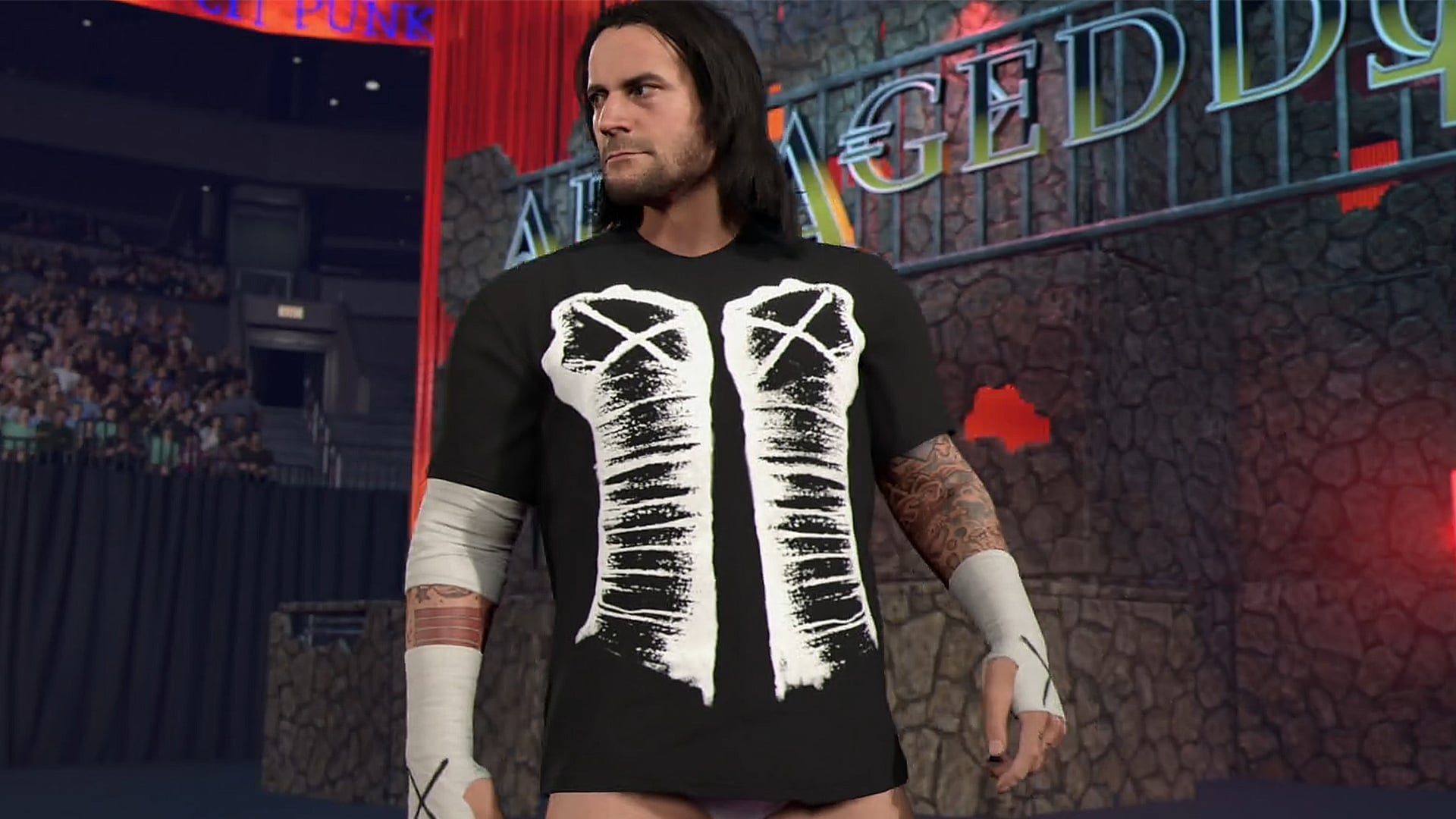
On the presentation front, WWE 2K26 is doubling down on superstar-specific spectacle and venue identity.
Joe Hendry Entrance Tech
The reveal of Joe Hendry’s full entrance is more than a fan-service beat—it’s a microcosm of the game’s presentation pipeline:
- Motion-captured theatrics – Hendry’s mannerisms, timing, and ring-post posing are tuned to feel TV-authentic rather than generic template work.
- Crowd sync – Audience reactions and chants align with entrance beats, indicating more granular crowd-state control.
- Camera scripting – Broadcast-style cuts and zooms reinforce Hendry’s brand, suggesting more bespoke camera paths per top-tier superstar.
This level of authored detail is expensive, but it’s where sports-entertainment titles can meaningfully differentiate from generic fighting games.
The Island Arena: Controlled Chaos in a New Combat Theater
The Island arena trailer frames the new venue as a contained chaos lab:
- Location-specific theatrics – Entrances and lighting feel tailored to the Island’s layout, rather than simply re-skinned standard arenas.
- Impact-focused staging – Shorter walkways, tighter camera framing, and denser crowd placement all push the sense of impact.
From a #gamedev perspective, this reads like a vertical slice of how WWE 2K26 handles environmental identity: one arena, fully tuned as a showcase for the upgraded presentation stack.
Creator Fest Intel: Systems, Tools, and Narrative Funnels
Creator Fest broadcasts and the official Xbox Podcast have provided a strategic look at WWE 2K26’s broader systems.
In-Ring Systems & Next-Gen Cameras
Devs and WWE Superstars have emphasized:
- Refined grappling logic – More readable advantage states and counter windows.
- Broadcast-grade camera logic – Cameras adjust dynamically to big spots, selling height and impact without sacrificing control clarity.
- Animation polish – Reduced jitter and fewer awkward snap transitions, especially in multi-man chaos.
MyRISE: From Season Sim to Story Ops Center
The first 23 minutes of MyRISE show a more authored, yet still branching, campaign structure:
- Choice-impact matrices – Decisions are flagged as having tangible rivalry and alliance consequences, not just cosmetic dialogue shifts.
- Weekly-show cadence – Presentation mimics the rhythm of TV episodes, which should make progression feel more like a modern wrestling product.
- Character-driven arcs – Created superstars are framed less as generic cogs and more as narrative anchors.
For narrative designers, this is an example of blending authored beats with systemic rivalry logic to keep careers replayable without feeling purely procedural.
Monetization Matrix: MyFaction’s Tightrope Walk
MyFaction remains WWE 2K26’s live-service pressure point. Developer interviews suggest a conscious attempt to recalibrate trust after years of community skepticism:
- Pack economy tuning – There’s active scrutiny on how far microtransactions can be pushed before players feel exploited.
- Progression vs. spend – The stated goal is for long-term engagement to be viable through play, not just purchases.
- Mixed-gender match rules – System-level changes to allow broader fantasy booking within MyFaction, which also increases the mode’s content surface.
For #indiegame and AA studios watching from the sidelines, MyFaction is a high-profile experiment in aligning monetization with sentiment rather than pure ARPU maximization.
Strategic Outlook: WWE 2K26’s Current Trajectory
From this week’s telemetry, WWE 2K26 is positioning itself as a more deliberate, simulation-forward wrestling experience with:
- Stronger match-type identity (Inferno, I Quit) expressed through rule-driven systems.
- A more authored presentation layer, from superstar entrances to bespoke arenas.
- A narrative funnel in MyRISE that aims to merge TV-style pacing with branching logic.
- A still-evolving live-service spine in MyFaction that will likely define the game’s long-tail reputation.
If Visual Concepts can keep collision clean, maintain stamina and damage readability, and land an ethical MyFaction economy, WWE 2K26 could mark a genuine systems-level maturation for the series rather than another incremental roster update.
Sources and corrections
This archive entry does not have a verified article-source list. Images and video embeds alone are not evidence for every claim.
Found an error? Request a correction. Include the passage and a supporting source.
Your games, in one place
Keep up with WWE 2K26
Follow this game to collect its posts in your personal feed. Come back to see what you missed.