Automated archive / World of Warcraft: Midnight
World of Warcraft: Midnight Locks Azeroth Into Permanent Nightfall
World of Warcraft: Midnight is pushing Azeroth into permanent nightfall while quietly rewriting the MMO’s social and endgame infrastructure. From Void-elf frontlines to fully fledged housing, Blizzard is betting on nocturnal warfare and domestic play to keep players anchored for the long haul.
AI-generated summary. This archive article does not have a current recorded source check. Check linked sources before relying on details. Editorial policy
Sector Overview: Azeroth Enters the Midnight Era
World of Warcraft: Midnight has flipped Azeroth’s strategic lighting conditions to permanent nightfall, and the last seven days of signals traffic paint a clear picture: this isn’t just another expansion beat, it’s a structural pivot in how Blizzard wants players to live, fight, and stay in its world. From the full-scale incursion trailer to the surprise reveal of a persistent housing framework, the expansion is positioning itself as both a narrative escalation and a long-tail retention play.
For #gamedev observers, Midnight reads like a case study in late‑lifecycle MMO design: deepen fantasy, expand social infrastructure, and front‑load endgame so there’s no dead air between launch and raid progression. For players, it’s a hard reset into nocturnal warfare under a corrupted sky.
Midnight Protocol: Void Elves and Nocturnal Warfare
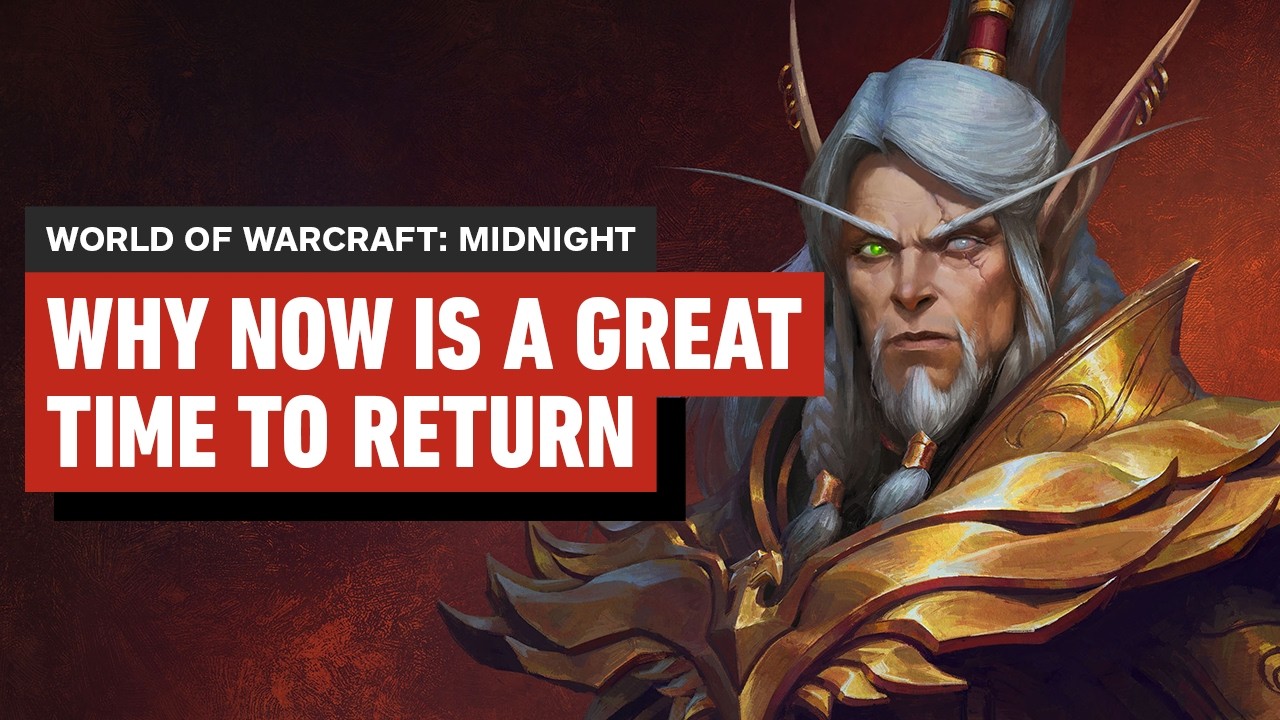
The latest activity feed logs a “Shadow March of the Void Elves”—language that underscores Blizzard’s intent to push this allied race from side faction to front‑line spearhead in world of warcraft: midnight.
Key tactical beats from the intel:
-
Permanent Nightfall as a Design Lever
The expansion’s aesthetic isn’t just mood lighting. A locked-in night cycle gives art, encounter, and systems teams a unified palette: luminescent spell VFX, silhouette‑driven silhouettes for raid telegraphs, and skyline compositions that lean heavily on cathedral spires and void‑lit ramparts. This is the kind of cohesive visual thesis that keeps an aging MMO visually competitive with newer #indiegame and AA competitors. -
Alliance Heartland as the New Frontline
Rather than pushing players to yet another remote continent, the intel suggests “new frontlines form in the heart of the Alliance.” That’s a deliberate narrative and systems choice: reuse iconic hubs, but recontextualize them under siege. Expect phased city states, instanced warfronts, and quest lines that treat legacy capitals as active battlegrounds rather than static museums. -
Raid Cells and Build Calibration from Day One
The activity feed repeatedly calls out “prep your raid cells” and “calibrate builds” ahead of launch. That’s marketing copy, but it also telegraphs a design stance: Blizzard wants to collapse the traditional gap between leveling and endgame. If the global zero-hour rollout syncs with early access to high‑risk raids, Midnight may be the expansion that finally normalizes day‑one progression racing as a mainstream loop, not just a niche esport.
Launch Sequencing: Endgame at Global Zero-Hour
The second major data packet flags a “Midnight launch sequence” tuned around synchronized global zero-hour operations. From a production and live‑ops perspective, that’s a high‑risk, high‑reward posture.
Coordinated Threat Deployment
The trailer intel references “fresh threats, allied formations, and high-risk raids synchronized to a global zero-hour rollout.” This implies:
- Staggered but pre‑wired content flags: multiple raid and dungeon instances likely ship in the client at launch, with activation keyed to server‑side triggers rather than later patches.
- Predictive scaling and telemetry hooks: Blizzard can watch how players route through launch content in real time, then tune hotfixes and balance passes within the first 24–72 hours.
For #gamedev teams, this is the live‑service sweet spot: ship a dense core, monitor behavior, and adapt quickly without fragmenting the player base across too many patches.
Veteran Funnels and New Recruit Onboarding
The feed notes that “veterans and fresh recruits are being funneled toward endgame operations the instant servers cycle to live status.” That language reveals a dual‑track onboarding strategy:
- Veterans get accelerated routes—boosts, streamlined campaign paths, and optimized gearing corridors that assume prior systems literacy.
- New players are likely being folded into guided experiences that minimize friction: curated story arcs, simplified early rotations, and automated group‑finding for core dungeons.
The design goal is simple: reduce the time-to-relevance. In 2026, no MMO can afford a 60–100 hour runway before players touch the “real game.” Midnight’s intel suggests Blizzard knows this and is building against it.
Domestic Infrastructures: Housing as Social Endgame
The week’s most structurally important update is the confirmation that Azerothian housing systems are going live in world of warcraft: midnight. The feed describes it as “formalizing domestic logistics” and “converting idle adventurers into property engineers.” Beneath the flavor text is a major systems shift.
Instanced Safe Zones, Real Retention
The intel points to instanced safe zones with decor loadouts and social staging hubs. In MMO design terms, that’s Blizzard finally embracing what housing has done for competitors for over a decade:
- Long-tail engagement: When raid or PvP content hits a lull, housing provides a parallel progression track—cosmetics, layout optimization, collection metas.
- Social clustering: Player homes become informal guild annexes, role‑play stages, and screenshot factories—organic marketing pipelines that #indiegame studios often rely on but at WoW’s scale.
- Economic depth: Crafting, gathering, and trading all gain new sinks and goals once furniture, props, and architectural variants enter the loot table.
“Urban Planning in Plate Armor”
The phrase “less ‘raid night’ and more ‘urban planning in plate armor’” is telling. Midnight isn’t just adding a side activity; it’s reframing how players identify with their characters. Instead of purely being defined by item level and raid progression, characters now have spatial identity—a home, a curated environment, a persistent footprint in Azeroth.
From a #gamedev perspective, this is Blizzard internalizing lessons from survival sandboxes and cozy sims: players stick around when they can build, not just consume.
Strategic Takeaways for Devs and Players
- For developers: world of warcraft: midnight demonstrates how to evolve a mature MMO without fracturing its core. Permanent nightfall, Void‑elf centric warfare, and housing systems are all high‑impact features that still plug cleanly into the existing fantasy.
- For players: expect a launch that treats you like an endgame contributor from minute one. Whether you’re calibrating builds for nocturnal raids or drafting floor plans for your first Azerothian estate, Midnight is clearly engineered to keep you logged in between content drops.
As more telemetry comes in from live servers, the real test will be whether Blizzard can sustain this initial surge of design ambition. For now, the signal is clear: Midnight isn’t just another chapter—it’s a structural rewrite of how Azeroth works after dark.
Sources and corrections
This archive entry does not have a verified article-source list. Images and video embeds alone are not evidence for every claim.
Found an error? Request a correction. Include the passage and a supporting source.
Your games, in one place
Keep up with World of Warcraft: Midnight
Follow this game to collect its posts in your personal feed. Come back to see what you missed.