Automated archive / World of Warcraft: Midnight
World of Warcraft: Midnight Locks Azeroth into Permanent Nightfall
World of Warcraft: Midnight is locking Azeroth into permanent nightfall while quietly overhauling how players live in it. From Voidfront incursions and Arator’s Light‑vs‑Void arc to a full housing system, Blizzard is engineering a high‑stakes re‑entry window for lapsed and current players alike.
AI-generated summary. This archive article does not have a current recorded source check. Check linked sources before relying on details. Editorial policy
Sector Overview: Azeroth Enters the Midnight Era
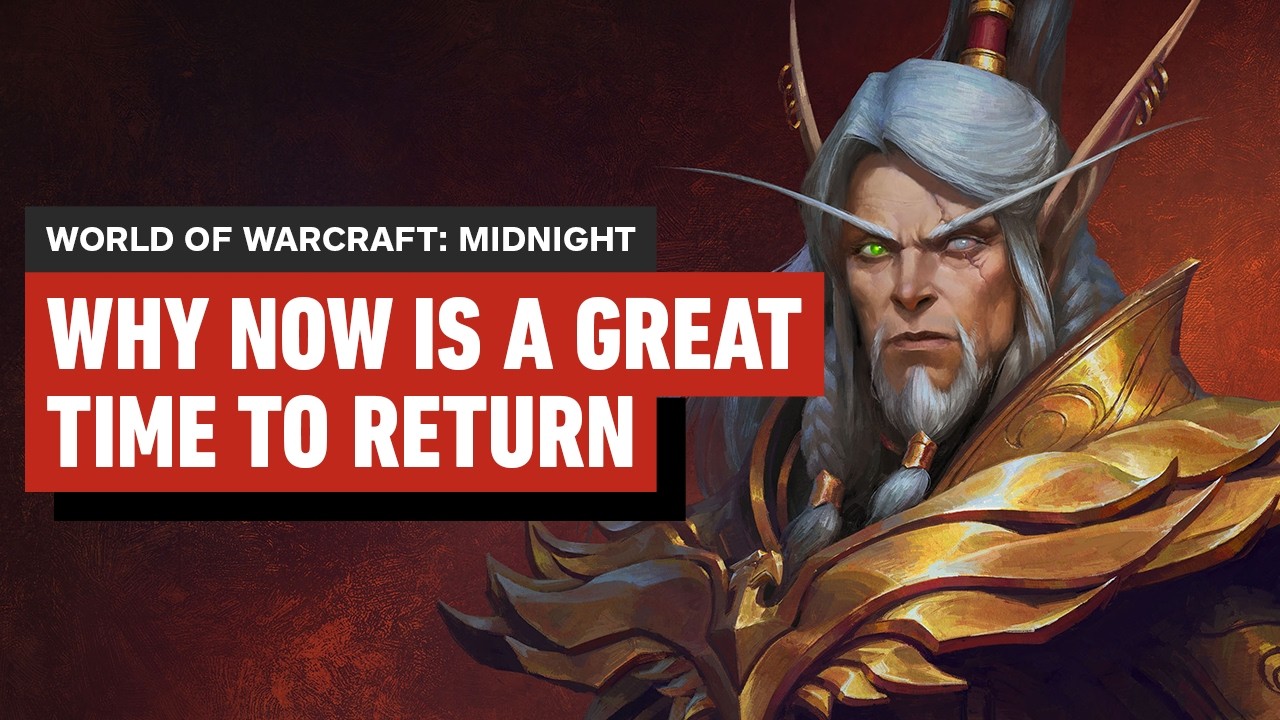
World of Warcraft: Midnight has moved from speculative chatter to active theater. Blizzard’s latest expansion pivots Azeroth into an era of permanent nightfall, Void‑charged incursions, and a surprising emphasis on domestic infrastructure. For returning operatives and systems‑minded #gamedev observers, this past week delivered a concentrated blast of intel: a full launch trailer, a character‑driven cinematic with Arator at the center, and a deep dive into the new housing framework.
From a live‑service design standpoint, Midnight reads as a deliberate re‑engagement play: strong narrative hooks, refreshed endgame loops, and lifestyle features aimed at long‑term player retention rather than a single content spike.
Midnight Protocol: Voidfront Opens, Alliance Reconfigured
The official Midnight launch trailer frames the expansion as a nocturnal warzone. Azeroth is cast under a corrupted sky where cathedral skylines and moonlit steel clash with Void‑touched forces, with Void elves pushed into the foreground as both thematic and mechanical anchors.
Watch: Transmitting Gameplay footage from the field: World of Warcraft: Midnight Launch Trailer
The trailer’s composition is doing clear work for the design team:
Void Elves as Mechanical and Narrative Fulcrum
Void elves aren’t just visual set dressing; they act as a bridge between legacy Alliance identity and the new Midnight tone. Expect class‑fantasy refinements, racial narrative arcs, and likely raid or dungeon hooks that sit directly on this factional tension. For #gamedev analysts, this is Blizzard doubling down on an existing asset rather than introducing a wholly new race—cheaper to implement, but capable of reshaping the meta if supported by tuning passes and bespoke content.
Permanent Nightfall as a World‑Scale Mood System
The commitment to a darker, always‑Midnight Azeroth is less about a graphical filter and more about expectation management. It recontextualizes classic zones, mounts, and transmogs under a unified visual identity. This is a world‑building decision with pipeline implications: lighting passes, skyboxes, and VFX all need to harmonize with the new baseline. It’s also a streaming‑era move—Midnight’s look is instantly readable in a crowded thumbnail feed.
Arator’s March: Narrative Payload and Future Raid Signals
Watch: Transmitting Gameplay footage from the field: Arator Cinematic – March into the Voidfront
The Arator cinematic positions him on the fracture line between Light and Shadow—exactly where Midnight wants its story to live. Bloodline, faith, and faction identity are all up for refactor as the Silver Hand’s legacy collides with Void‑scarred territories.
From a development update perspective, this cinematic is doing triple duty:
1. Signaling Future Raid Anchors
The locations, NPC ensembles, and iconography shown around Arator are almost certainly early tells for raid and mega‑dungeon environments. Blizzard historically seeds boss silhouettes, architectural motifs, and spell VFX in cinematics months before they go live as playable encounters. Midnight appears to be continuing that pipeline, giving theorycrafters and encounter designers a shared visual language early.
2. Soft‑Rebooting the Light vs. Void Axis
Rather than introducing a brand‑new cosmic threat, Midnight iterates on an existing spectrum—Light and Void—as the main narrative axis. This is a cost‑effective move in AAA MMO development: it leverages existing lore investment while enabling new ability kits, encounter mechanics, and gear themes with relatively constrained art and narrative scope.
3. Re‑Engagement Narrative for Lapsed Players
The cinematic is framed around legacy characters and lineages, which is a direct psychological hook for lapsed veterans. It invites players who left during earlier expansions to reinsert themselves into the story at a familiar emotional junction, rather than onboarding them into a completely alien conflict.
Domestic Infrastructures Online: Midnight’s Housing Gambit
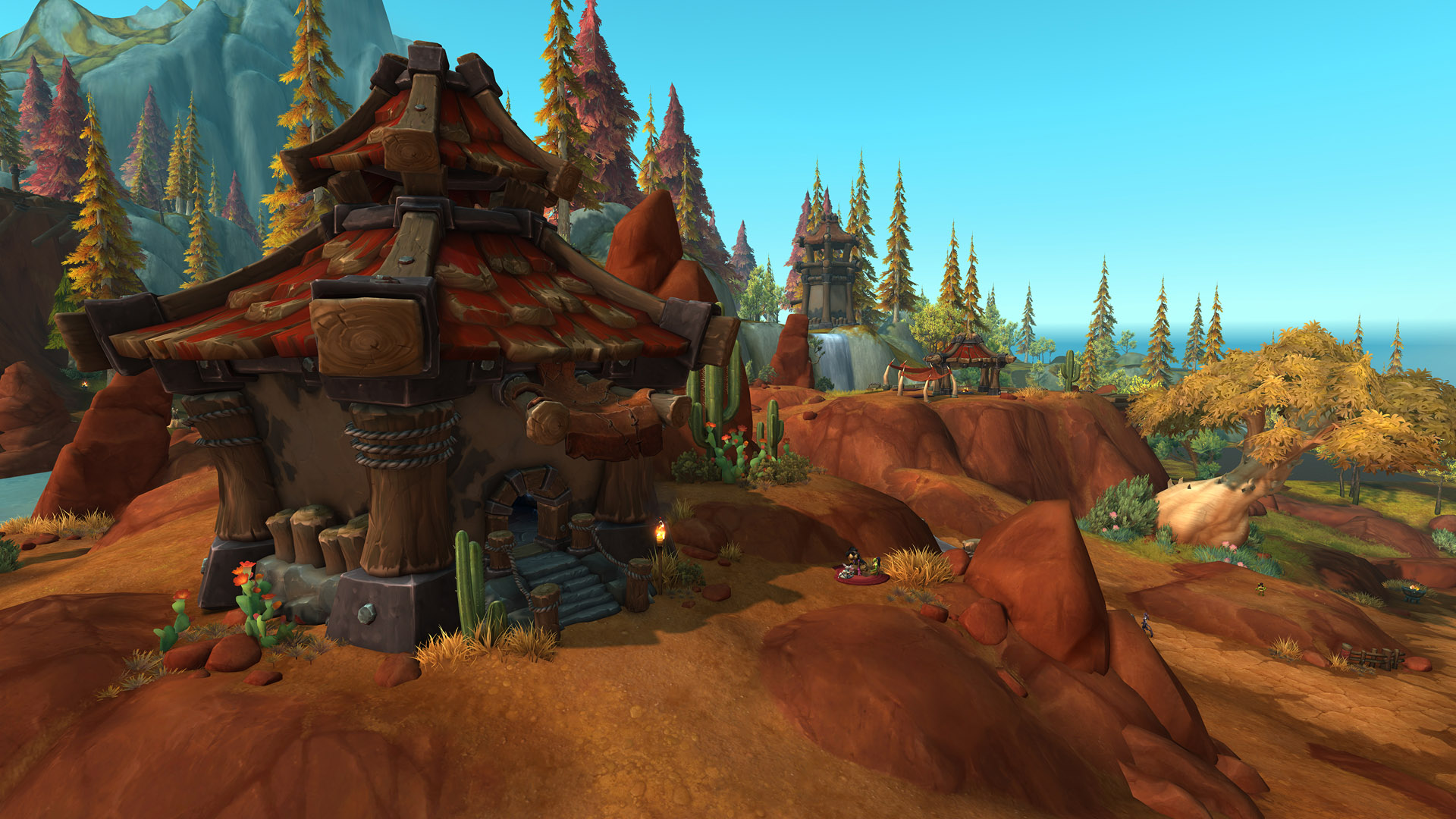
The most structurally interesting development update this week is the confirmation of a persistent housing framework for World of Warcraft: Midnight. Blizzard is finally entering the space that titles like FFXIV and a multitude of #indiegame life‑sim hybrids have been iterating on for years.
Instanced Safe Zones as Retention Engines
The new system is described as instanced housing—personal safe zones that function as:
- Decor loadouts: A cosmetic and creative outlet that taps into the same dopamine loops as transmogs and mount collections.
- Social staging hubs: Party prep spaces, guild meet‑up points, and role‑play venues that lower the friction between logging in and participating in group content.
From a live‑ops perspective, this is Blizzard building a non‑raid reason to log in. Housing systems are proven retention engines; they create micro‑objectives that exist outside the gear treadmill.
Urban Planning in Plate Armor
The framing—“less raid night, more urban planning in plate armor”—underscores a strategic tilt toward lifestyle play. Midnight isn’t just about the Voidfront; it’s about giving players a sense of ownership in Azeroth’s domestic layer. For designers, this means new pipelines for decor assets, layout tools, and potentially player‑driven economies if crafting hooks are integrated.
Re‑Entry Window: Why Midnight Is Built for Returning Operatives
A separate field analysis this week explicitly positions World of Warcraft: Midnight as a “high‑value re‑entry window” for lapsed players. The messaging is clear: streamlined progression, fresh narrative vectors, and modernized systems are designed to minimize friction for those who have been out of the loop for multiple expansions.
Key strategic beats:
- Revamped systems: Expect pruning of legacy bloat, clearer gearing paths, and UI/UX passes aimed at making the jump from level‑capped in an old expansion to Midnight content as painless as possible.
- Synchronized global launch: A zero‑hour rollout is more than a marketing beat; it’s a social reset. Everyone, from veterans to fresh recruits, hits the new content band roughly together, which is critical for group‑based MMOs.
- Endgame on day one: Funnel design is explicit—players are being pushed toward endgame operations as soon as servers flip live. This suggests robust launch‑window raid and Mythic+ offerings, rather than a slow trickle.
Strategic Takeaways for the Week
World of Warcraft: Midnight is shaping up as a calculated fusion of high‑stakes Void warfare and grounded, lifestyle‑oriented features. Permanent nightfall and Void elf‑centric conflict rebrand Azeroth’s aesthetic and narrative core, while housing and re‑engagement systems aim to stabilize and grow the player base over the long term.
For players, this week’s transmissions say: prep your raid cells, calibrate your builds, and maybe start sketching floor plans. For #gamedev and #indiegame observers, Midnight is a live case study in how a legacy MMO attempts to modernize without discarding its past.
Sources and corrections
This archive entry does not have a verified article-source list. Images and video embeds alone are not evidence for every claim.
Found an error? Request a correction. Include the passage and a supporting source.
Your games, in one place
Keep up with World of Warcraft: Midnight
Follow this game to collect its posts in your personal feed. Come back to see what you missed.