Automated archive / World of Warcraft: Midnight
Sector Intelligence Report // World of Warcraft: Midnight – Housing Online, Arator Mobilizes, and Re‑Engagement Windows Open
World of Warcraft: Midnight just flipped three major switches at once: housing systems online, Arator’s Voidfront narrative in motion, and a clear re‑entry path for lapsed players. This week’s signals point to an expansion designed less as a content burst and more as a structural reboot of how players live, fight,...
AI-generated summary. This archive article does not have a current recorded source check. Check linked sources before relying on details. Editorial policy
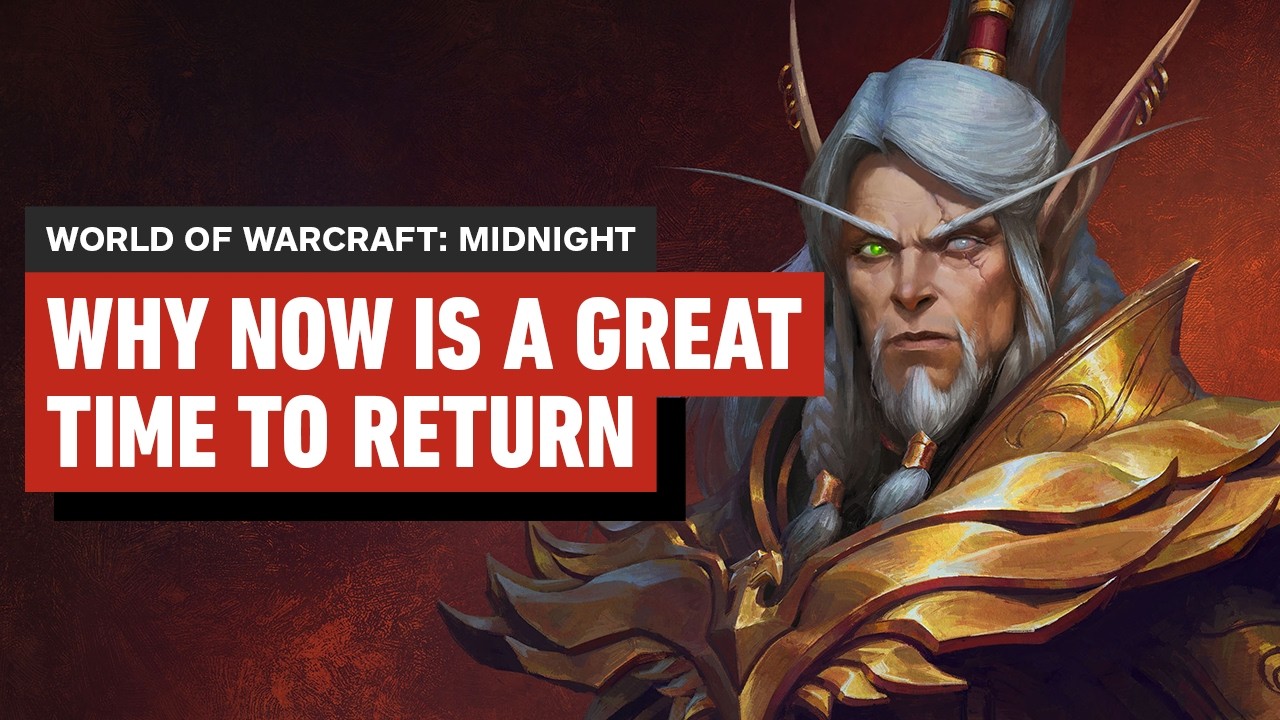
Weekly Sector Overview
World of Warcraft: Midnight is shifting from pre‑launch noise to operational clarity. Across the last seven days, three distinct signals have cut through the chatter: domestic infrastructure going live via Azerothian housing, a high‑impact Arator cinematic reframing the Light vs. Void conflict, and a clear re‑engagement pitch for lapsed players. For #gamedev watchers and live‑ops strategists, this is Blizzard quietly locking in the long‑tail retention scaffolding that will carry the expansion beyond its launch spike.
This week’s telemetry points to a unified thesis: world of warcraft: midnight isn’t just another content drop—it’s a structural recalibration of how players occupy, express themselves in, and emotionally anchor to Azeroth.
Domestic Infrastructures Online: Housing as Retention Engine
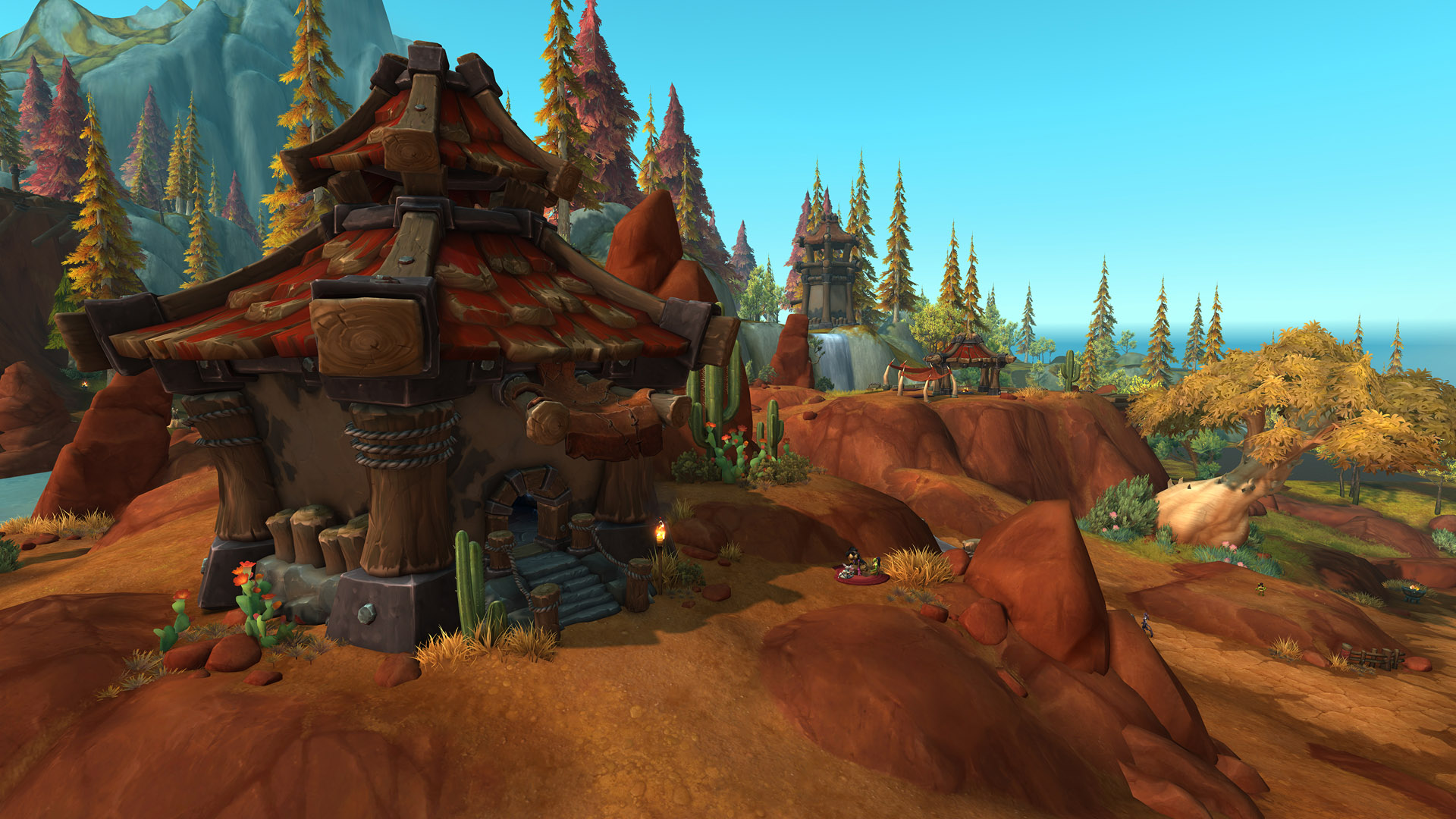
The headline deployment is clear: Azerothian housing systems are finally online. Midnight’s new housing feature is less a cosmetic side dish and more a systemic retention layer designed to convert “idle adventurers into property engineers.” In MMO terms, that’s Blizzard acknowledging that social permanence and personal space are as critical as raid tiers.
Early intel suggests:
- Instanced safe zones: Personal or guild‑aligned spaces functioning as persistent hubs, decoupled from the volatility of open world activity.
- Decor loadouts: Customizable interiors that likely lean on modular placement, theme sets, and possibly unlockable prestige items tied to raids, Mythic+, PvP, and seasonal events.
- Social staging hubs: Player housing as the new pre‑raid meetup point, transmog flex space, and cross‑faction mingling node.
From a #gamedev perspective, this is a classic time‑on‑platform multiplier. Where raids and dungeons are burst sessions, housing is ambient engagement: log in to tweak a layout, place a new trophy, or host a guild debrief. Expect this to drive:
- Cosmetic monetization vectors (if Blizzard leans into shop or trading‑post hooks).
- Crafting relevance, as professions can be routed into furnishings and structural upgrades.
- Community storytelling, as players build recognizable identities around their spaces.
In live‑service design terms, Midnight’s housing is Blizzard finally acknowledging the proven loop that’s kept other MMOs sticky for a decade: combat for progression, housing for attachment.
Arator’s March: Narrative Payloads and Future Raid Signals
The second major pulse is narrative: Arator steps from lore text into operational focus in the new Midnight cinematic. Positioned “on the fracture line between Light and Shadow,” Arator is being framed as a living fault line for Azeroth’s ongoing cosmology war.
Key signals from the cinematic node:
- Factional realignment potential: Arator’s bloodline (Turalyon + Alleria) makes him a natural bridge figure for Light‑aligned and Void‑touched forces. That’s fertile ground for flexible allegiances in future patches.
- Raid and zone foreshadowing: The Void‑scarred isles and Silver Hand transmissions read like soft teases for upcoming raid tiers and world zones, with Arator as the narrative anchor.
- Theme consolidation: Midnight is doubling down on the Light/Void dialectic rather than introducing a wholly new cosmic axis, which is smart for narrative cohesion and onboarding.
From a design lens, putting Arator front and center lets Blizzard:
- Reuse established lore while lowering narrative complexity for returning players.
- Tie future systems (reputations, covenant‑like structures, or talent variants) to ideological choice rather than pure faction identity.
Re‑Engagement Window: Why Midnight Is a Low‑Friction Return Point
The third data point is explicitly tactical: World of Warcraft: Midnight is being framed as a prime re‑entry window for lapsed operatives. The messaging emphasizes “revamped systems, fresh narrative vectors, and progression incentives” with a clear goal—lower the cognitive and mechanical friction of coming back.
Strategically, this surfaces in three ways:
1. Systemic Streamlining
Blizzard appears to be tightening the sprawl of legacy systems. For returning players, that likely means:
- Cleaner on‑ramps to endgame without mandatory deep dives into old borrowed‑power frameworks.
- Simplified gear and progression clarity, reducing the “what do I even do now?” barrier.
For #gamedev and #indiegame teams observing from the outside, this is a reminder: re‑engagement design is not just about free boosts; it’s about information architecture and UX.
2. Narrative Reboot Without a Hard Reset
Midnight’s pitch is: you don’t need a PhD in Warcraft cosmology to jump in. The Arator storyline functions as a soft narrative reboot—familiar faces, clean stakes (Light vs. Void), and a new front to fight on.
This keeps long‑time players rewarded for their lore investment while allowing returning or new players to plug in without wading through years of narrative debt.
3. Housing as Emotional Anchor for Returnees
Housing isn’t just a feature—it’s a psychological re‑investment tool. Returning players aren’t only catching up on ilvl; they’re building something that persists:
- A home that visually tracks their achievements.
- A social hub that reconnects them with old guildmates.
- A reason to log in between raid nights that isn’t pure grind.
For a mature MMO, that’s the difference between a nostalgic two‑week spike and a sustained re‑engagement curve.
Strategic Outlook
Taken together, the last week’s signals frame world of warcraft: midnight as a structural update to how Azeroth operates as a live service. Housing establishes long‑tail attachment, Arator’s cinematic sets a clean narrative throughline, and the explicit re‑engagement messaging targets the massive pool of lapsed players.
For developers tracking #gamedev and #indiegame best practices, Midnight’s current trajectory is a case study in late‑life MMO stewardship: stabilize the core loop, add expressive permanence, and make it painless for old players to come home—and then give them a place worth staying in.
Sources and corrections
This archive entry does not have a verified article-source list. Images and video embeds alone are not evidence for every claim.
Found an error? Request a correction. Include the passage and a supporting source.
Your games, in one place
Keep up with World of Warcraft: Midnight
Follow this game to collect its posts in your personal feed. Come back to see what you missed.