Automated archive
Toy Story 5 Shows Its Seams as Pixar Re-Arms a Legacy IP
Toy Story 5 is redeploying one of Disney’s most valuable legacy IPs with fresh casting and familiar emotional beats—but its CG pipeline is showing visible age against 2026 standards. For developers, the film is emerging as a live case study in legacy tech debt, nostalgia economics, and franchise-safe iteration.
AI-generated summary. This archive article does not have a current recorded source check. Check linked sources before relying on details. Editorial policy
Sector Snapshot: Toy Story 5 Re-Enters the Battlefield
Pixar’s Toy Story 5 is officially back on the board, redeploying one of Disney’s most valuable legacy IPs into a 2026 release window. The latest intel points to a familiar playbook—Woody and Buzz returning to the front line, nostalgia-heavy emotional design, and family-first humor—wrapped in a production pipeline that may be straining under modern CG expectations. For anyone in #gamedev or #indiegame production, Toy Story 5 is shaping up as a live case study in how far you can push a legacy toolchain before the audience notices.
This week’s activity feed surfaces three core vectors: casting expansion, pipeline aging, and brand-stability narrative choices. Together, they paint a picture of a franchise doubling down on emotional continuity while risking a visual gap against current-gen animated benchmarks.
Casting Pipeline: Fresh Voices, Familiar Command Structure
Intel confirms that Tom Hanks (Woody) and Tim Allen (Buzz) are back in active duty, signaling a clear intent: Toy Story 5 is not a reboot or radical pivot, but a reinforcement cycle for the existing IP.
New cast members are entering the voice roster, suggesting:
1. New Character Archetypes as Market Hooks
- Merchandising-first design: Expect new toy archetypes engineered for shelf visibility and cross-media tie-ins—think contrasting silhouettes, distinct color palettes, and instantly readable personalities.
- Demographic expansion: Fresh voices likely target newer age brackets and global markets, giving Disney more levers for streaming spin-offs and shorts.
2. Cross-Media Synergy Potential
- New characters are prime candidates for mobile tie-in experiences, AR filters, and potential casual #indiegame collaborations.
- For game studios, watching which character designs get front-loaded in marketing will be an early tell for where Disney expects the strongest transmedia traction.
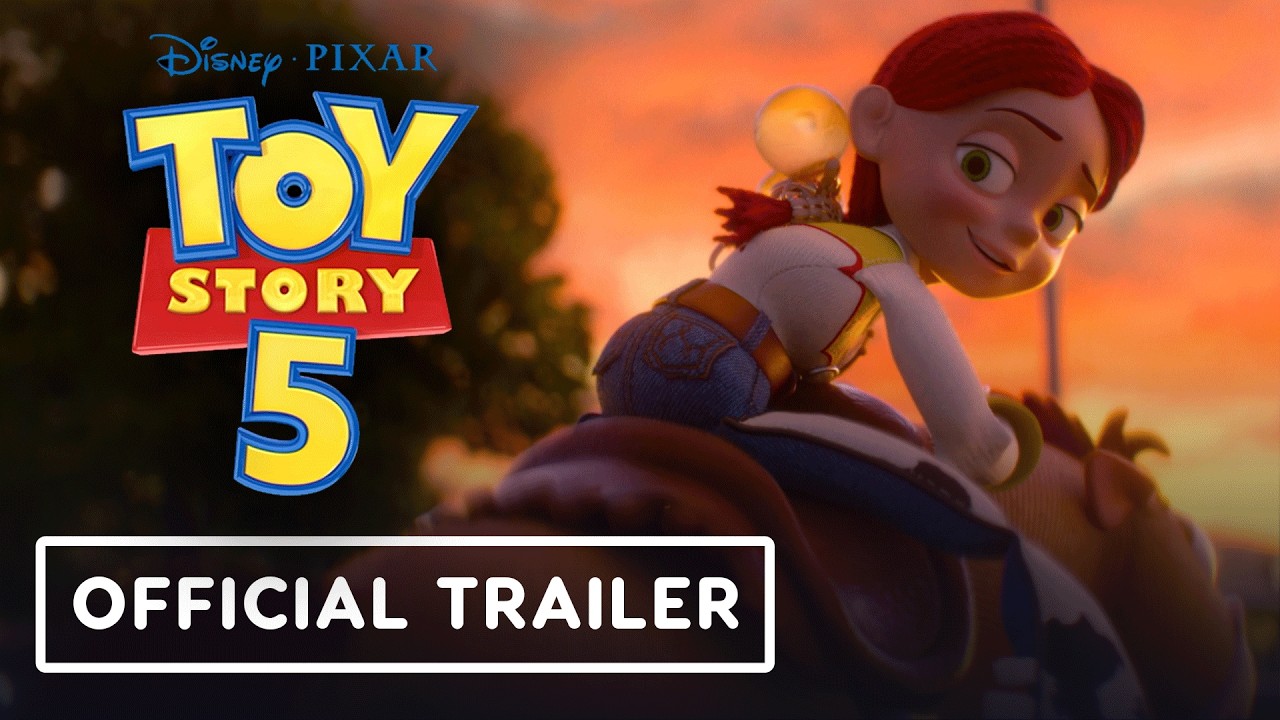
Watch: Transmitting Gameplay footage from the field: Official Toy Story 5 Trailer Broadcast
Visual Pipeline: Legacy Render vs. 2026 Expectations
The most critical signal this week: Toy Story 5’s visual pipeline looks a generation behind current cinematic CG standards. Field reports flag aging textures, lighting models that lack cutting-edge bounce and volumetrics, and animation fidelity that doesn’t fully match the top-tier work seen in recent Pixar and competitor releases.
1. Pipeline Strain and Asset Aging
- Legacy asset reuse: Woody, Buzz, and other long-running characters are almost certainly built on heavily iterated legacy rigs. That saves time and ensures continuity—but it can also lock the team into older topology and shading assumptions.
- Shader and lighting deltas: Compared to recent CG benchmarks, Toy Story 5’s frames read more like a late-2010s render pass than a 2026 flagship. Skin (well, plastic) response, micro-surface detail, and global illumination feel flatter than the current state of the art.
2. Audience Perception and the Nostalgia Buffer
- Short-term cover: The franchise’s emotional weight and nostalgia will mask some visual shortcomings for general audiences.
- Long-term risk: For younger viewers raised on hyper-polished streaming animation, the gap may be more visible. If the film becomes a platform for interactive extensions—games, VR experiences, or live-service tie-ins—this visual mismatch could become a liability.
For #gamedev teams, this is a familiar trade-off: do you ship on a stable, well-known toolchain, or refactor mid-production to chase a higher fidelity ceiling? Pixar appears to be leaning toward stability, but the field intel strongly recommends a late-stage shader and lighting refit before final deployment.
Narrative Systems: Emotional Physics and Franchise Stability
The official trailer positioning confirms that Toy Story 5 is not attempting a structural reinvention. Emotional physics—friendship, loss, identity, and the evolving role of toys in a child’s life—remain core systems.
1. Franchise Design: Safe Iteration Over Radical Innovation
- Woody and Buzz as persistent player-characters: Keeping them in command maintains brand clarity and minimizes narrative onboarding friction.
- Risk profile: This is a low-risk, medium-reward move: strong box office upside from families and nostalgia-driven adults, but limited potential to redefine the IP.
2. Design Parallels for Game Developers
- Live-service analogy: Toy Story 5 reads like a major seasonal update rather than a full sequel—new content layered on a stable meta.
- IP stewardship: For #indiegame creators working with their own long-running worlds, the film offers a high-visibility example of how to extend canon without alienating your core audience, even if it means accepting some technical debt.
Watch: Transmitting Gameplay footage from the field: Short-form Official Toy Story 5 Signal
Strategic Takeaways for the Dev Sector
- Technical Lesson: Legacy pipelines can deliver shippable content, but they leave you vulnerable to side-by-side comparisons with newer productions. If you’re sitting on a long-running engine or framework, Toy Story 5 is your reminder to budget time for at least a targeted shader, lighting, and materials refresh.
- Design Lesson: Emotional continuity is a powerful asset. Toy Story 5 leans on decades of audience attachment—something any long-running #indiegame or AA studio can emulate by investing in character consistency and thematic throughlines.
- Market Lesson: New character introductions inside a mature IP are more than narrative choices; they’re market probes. Watch where Disney pushes these toys across streaming, shorts, and interactive experiments—those are your indicators for where future licensing and collaboration energy may flow.
Toy Story 5 may not be the most technically aggressive deployment in Pixar’s arsenal, but as a case study in IP maintenance, pipeline compromise, and nostalgia-driven design, it’s a sector intel packet every developer should be reading between the frames.
Sources and corrections
This archive entry does not have a verified article-source list. Images and video embeds alone are not evidence for every claim.
Found an error? Request a correction. Include the passage and a supporting source.