Automated archive
Toy Story 5’s Aging Pipeline vs. Nostalgia War Machine
Toy Story 5 is marching back into the cultural battlefield with Woody and Buzz at the front, but its visual pipeline is showing signs of strain. Pixar is betting that nostalgia, new cast additions, and cross-media potential can offset a CG stack that feels a generation behind.
AI-generated summary. This archive article does not have a current recorded source check. Check linked sources before relying on details. Editorial policy
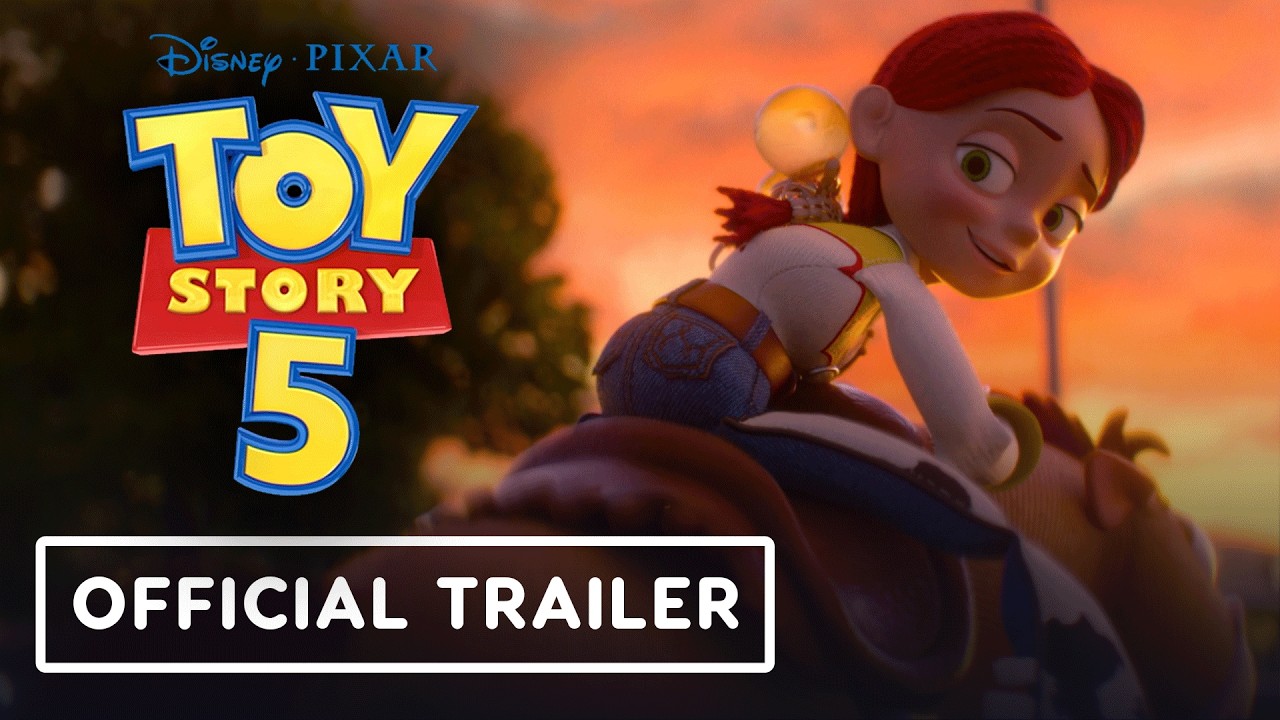
Sector Overview: Toy Story 5 Re-Enters Active Deployment
Toy Story 5 has officially re-entered the cultural battlespace, and Pixar is clearly positioning this chapter as a calculated nostalgia offensive rather than a full tech-generation leap. With the latest intel confirming Tom Hanks and Tim Allen back in the command chairs as Woody and Buzz, the franchise is leaning hard on emotional continuity while quietly wrestling with a visual pipeline that’s starting to show its age. For anyone tracking #gamedev and transmedia IP strategy, Toy Story 5 is a live case study in how a legacy CG franchise navigates modern production expectations.
The official trailer transmission — featuring Hanks, Allen, and Joan Cusack — confirms that Pixar’s emotional physics are still calibrated for family-friendly impact: big heart, broad comedy, and familiar toybox stakes. But beneath the surface, the production telemetry suggests a more complex picture: asset reuse, pipeline strain, and a visual stack that may be one generation behind the current cinematic CG baseline.
Watch: Transmitting Gameplay footage from the field: Toy Story 5 Official Trailer Signal
Visual Pipeline: Legacy Render vs. 2026 Expectations
Recent field reports flag that Toy Story 5’s visual pipeline is under visible stress. Texture density, lighting complexity, and animation fidelity all read as slightly out-of-phase with 2026’s top-tier CG benchmarks. In game development terms, this looks like a major AAA sequel shipping on an engine that’s overdue for a full render-path refactor.
The language from the activity feed is blunt: “asset aging and pipeline strain” with “textures, lighting, and animation fidelity” feeling a step behind. That’s the CG equivalent of a live-service #indiegame trying to ship new content on an unoptimized toolchain — it works, but every frame is a negotiation with the tech debt. Pixar appears to be relying on a powerful nostalgia buffer, banking that the emotional payload of Woody and Buzz can offset visuals that don’t fully flex the studio’s historical cutting-edge reputation.
From a production standpoint, the recommended move is clear: a late-stage shader pass and selective pipeline refit. That could mean updated material definitions for plastics and fabrics, more physically grounded global illumination, and more nuanced subsurface scattering on human characters. The goal isn’t a full engine rewrite — it’s a targeted modernization layer that keeps this legacy IP from looking like a remaster instead of a new campaign.
Casting Pipeline: New Talent as Market Expansion Tools
Parallel to the tech stack concerns, Pixar is expanding the Toy Story 5 casting pipeline with fresh voice talent. This is classic franchise reinforcement: legacy heroes provide stability while new characters function as market hooks and merch vectors. From a systems-design lens, you can think of it as adding new playable classes to an established roster — fresh archetypes that extend engagement without destabilizing the core loop.
The activity feed confirms “new characters, new market hooks, same flagship brand stability.” Expect clear archetype signaling here: comic relief sidekicks optimized for clip-sharing, emotionally resonant newcomers for cross-generational appeal, and at least one character engineered for cross-media synergy (spin-off series, shorts, or interactive tie-ins). For #gamedev observers, this is the same logic behind designing DLC characters that can carry their own narrative modules or cross over into other titles.
This casting expansion also gives Pixar leverage in the licensing and interactive sectors. New faces mean new potential for mobile tie-ins, AR experiences, and even #indiegame collaborations that can operate at a smaller budget but still tap into the Toy Story 5 halo.
Watch: Transmitting Gameplay footage from the field: Short-form Toy Story 5 signal burst
Narrative Systems: Emotional Physics and Franchise Continuity
The intel confirms Woody and Buzz “resuming command,” which signals that Toy Story 5 is not a hard reboot but a continuation of the established emotional canon. The familiar “emotional physics” — loyalty, loss, identity, and belonging — are once again in active circulation. That’s the narrative equivalent of preserving a franchise’s core gameplay loop while iterating on level design.
For cross-media storytellers, this is crucial: it means Toy Story 5 remains interoperable with prior entries. Emotional arcs can be extended, not replaced. That continuity is what lets interactive teams and transmedia partners design experiences that feel canonical, whether that’s a story-driven #indiegame, a narrative podcast, or a theme-park ARG that treats the new film as just another layer in the world-state.
Strategic Outlook: Risk, Reward, and Transmedia Potential
Toy Story 5 currently reads as a high-confidence nostalgia play constrained by a legacy render stack. The risk profile is clear:
- Risk: Visuals that feel one generation behind could erode Pixar’s historical reputation for technical leadership.
- Mitigation: A targeted shader and lighting overhaul, plus art-direction choices that lean into stylization over realism.
- Advantage: A deeply entrenched emotional brand, returning cast, and new character archetypes engineered for fresh merchandising and cross-media deployment.
For the broader #gamedev ecosystem, Toy Story 5 is a reminder that even the biggest IPs face the same trade-offs as mid-sized studios: ship on a proven but aging pipeline, or delay for a deeper tech rebuild. The film’s final visual quality will be a bellwether for how much audiences will tolerate in exchange for emotional continuity.
If Pixar executes the recommended late-stage visual refit and fully leverages its expanded cast for cross-media synergy, Toy Story 5 can still function as a powerful anchor IP — not just at the box office, but across interactive experiences, licensing, and experimental #indiegame collaborations that want to plug into one of the most recognizable toyboxes in modern media.
Sources and corrections
This archive entry does not have a verified article-source list. Images and video embeds alone are not evidence for every claim.
Found an error? Request a correction. Include the passage and a supporting source.