Back to guides and news
Gaming
March 9, 2026
Sector Intelligence Report: Alex Invades the Grid and Outfit 4 Rewrites the Silhouette Meta in Street Fighter 6
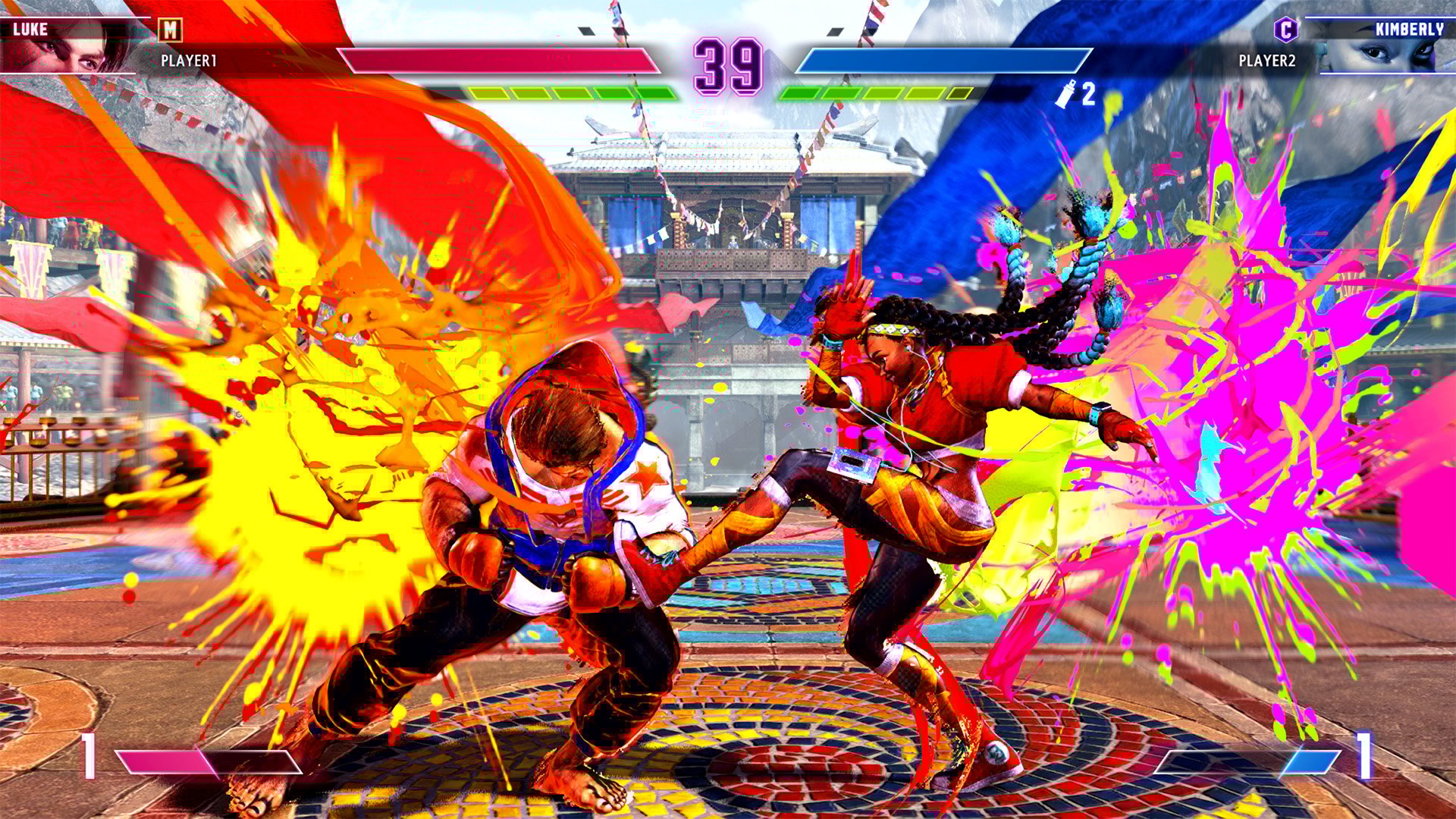
Key art uplink: Street Fighter 6 promotional visual
Weekly Sector Intelligence: Street Fighter 6 Operations Briefing
Street Fighter 6 just closed out a dense systems week: Alex has fully breached the live-service layer via a new Fighting Pass, Capcom has deployed a lab-grade character guide, and Outfit 4 drops for Dee Jay and Elena are quietly reshaping visual readability in both ranked and casual lobbies. For players, creators, and #gamedev observers, this is a clear snapshot of how a flagship fighter sustains momentum in year-on-year operation.
Alex Deployment: Fighting Pass as Live Ops Backbone
Capcom’s latest Fighting Pass centers Alex as the primary engagement vector, turning a legacy Third Strike grappler into a seasonal progression anchor. Structurally, this is a textbook live-ops loop: time-limited missions, cosmetics, and themed rewards tied to a single, easily marketable pillar character.
From a design perspective, Alex as a seasonal headliner is a clever choice. He’s iconic enough to pull lapsed players back into Street Fighter 6, but mechanically specialized enough that his presence doesn’t cannibalize existing brawler archetypes. The pass rewards—cosmetics, gear, and classic-flavored items—act as soft narrative reinforcement, positioning Alex as a returning veteran in the Metro City ecosystem.
For #gamedev teams watching from the outside, this is a clean example of:
- Character-led engagement design: One fighter as the thematic core for a whole season.
- Friction-balanced progression: The copy emphasizes “daily sortie cadence” rather than heavy grind, signaling a pass tuned for consistent logins instead of burnout.
- IP continuity: Third Strike-era callbacks keep long-term fans emotionally invested while Street Fighter 6 continues to evolve.
Technical Combat Dossier: Alex’s Systems Exposed
Capcom’s release of a full Alex character guide functions as a public design document in video form. Rather than a surface-level move showcase, the briefing drills into his grappler toolkit, pressure routes, and Drive mechanics optimization—essentially a curated lab manual.
This is strategically important on two fronts:
- Onboarding & skill ceiling: Grapplers are historically polarizing—devastating in the right hands, frustrating in the wrong ones. By surfacing optimal pressure structures and Drive interactions, Capcom lowers the onboarding cost while preserving high-level expression.
- Transparency in balance philosophy: When a developer explicitly highlights what a character should excel at (powerbomb-centric domination, in this case), they’re broadcasting intent to the community. That clarity helps competitive players understand where Alex should sit in the meta and gives tournament organizers a reference point when patch cycles hit.
For #indiegame fighting devs, this style of guide is a blueprint: use official media not just for marketing, but as structured education that aligns player expectations with design goals.
Cosmetic Rotation Log: Outfit 4 and the Silhouette Meta
The latest Outfit 4 drop for Dee Jay and Elena is explicitly flagged as “zero balance impact,” but competitively, it still matters. In a genre where frame data is king, visual language and silhouette clarity are the quiet co-rulers.
- Dee Jay’s style recalibration leans into his performer identity, reinforcing his rhythm-driven persona without compromising hitbox readability.
- Elena’s Outfit 4 emphasizes agile, fluid motion and limb clarity—critical for a character whose gameplan revolves around spacing and evasive movement.
Capcom’s messaging—“pure silhouette and identity enhancement”—signals a disciplined cosmetic pipeline. The team is clearly prioritizing:
- Hitbox/hurtbox readability across costumes, preserving competitive integrity.
- Animation-first design, ensuring new outfits don’t visually obscure key startup or recovery frames.
- Identity reinforcement, using cosmetics to deepen character fantasy instead of drifting into off-theme novelty.
For Street Fighter 6, this keeps monetization aligned with fair play. For #gamedev studios, it’s a reminder that cosmetic revenue must be architected alongside, not on top of, systemic clarity.
Strategic Takeaways for the Street Fighter 6 Ecosystem
- Live Ops Cadence: A Fighting Pass anchored by a single, fan-favorite character keeps the content pipeline focused and marketable.
- Educational Content as Design Communication: The Alex guide doubles as a public-facing articulation of balance philosophy, something many competitive titles still underutilize.
- Cosmetics with Guardrails: Outfit 4’s emphasis on silhouette over raw spectacle shows how to expand monetization without eroding competitive trust.
As Street Fighter 6 continues to iterate, this week’s updates show a mature, data-aware approach to live-service fighting game design—one that other studios, from AAA to #indiegame teams, will be quietly studying.
Keep following Street Fighter 6
News, guides, posts, and game details in one place.
Open the game hub, then save it to build your personal Breach feed.
More images and video

About the game
Street Fighter 6
Capcom
Mission Intel: Street Fighter 6 is Capcom’s flagship competitive fighting game, fusing precise 1v1 combat with high-speed online arenas and tournament-focused features. Set in a neon-drenched global circuit, it delivers deep mechanics, frame-perfect execution, and modern netcode tuned for esports warfare. Expect ranked ladder grinds, pro-level tournaments, and a constantly evolving meta built for spectators, streamers, and lab monsters alike.
Open game pageTopics
Street Fighter 6
Street Fighter 6 Alex guide
Street Fighter 6 Fighting Pass
Street Fighter 6 Outfit 4
Dee Jay Outfit 4
Elena Outfit 4
fighting game live service
fighting game character guide
#gamedev
#indiegame
competitive fighting games
Street Fighter 6 cosmetics
Street Fighter 6 development update