Automated archive / Street Fighter 6
Alex Enters the Street Fighter 6 Battle Network
Alex has become the focal point of Street Fighter 6’s latest operational cycle, with Capcom using a Fighting Pass and a deep-dive character dossier to reshape how players engage with grapplers. Behind the scenes, Kenny Omega’s consultancy work highlights how external experts are quietly steering the game’s...
AI-generated summary. This archive article does not have a current recorded source check. Check linked sources before relying on details. Editorial policy
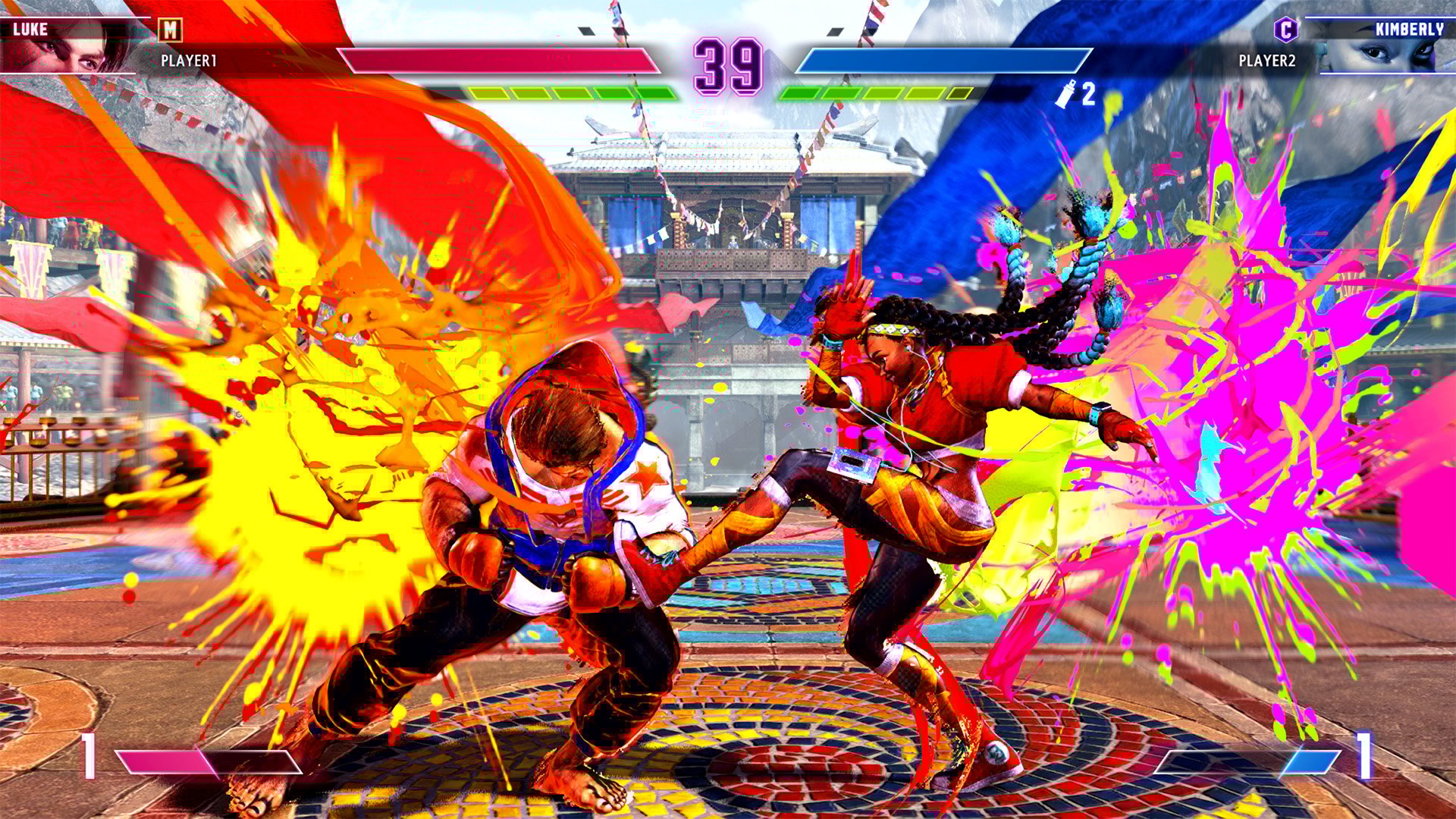
Weekly Sector Intelligence: Street Fighter 6 Operations Brief
Street Fighter 6 continues to operate like a live-service fortress—quiet from the outside, but constantly re‑wiring its internal systems. This week’s intel cycle revolves around one core theme: Alex. Capcom is using the Third Strike grappler as both content hook and mechanical teaching tool, while external collaborators like Kenny Omega quietly shape the game’s long‑term #gamedev and esports trajectory.
Below is the latest strategic readout on how these moves impact players, designers, and the evolving meta.
Alex Deployment: Fighting Pass as Live-Ops Testbed
Watch: Transmitting Gameplay footage from the field: Alex Arrives! Fighting Pass Trailer
Capcom has greenlit a new Fighting Pass centered on Alex, framing him as the seasonal anchor for Street Fighter 6. On paper, it’s a routine live-ops beat; in practice, it’s a controlled experiment in nostalgia-driven engagement.
Key operational notes:
1. Third Strike Nostalgia as Retention Fuel
By leading with Alex, Capcom is explicitly courting the Street Fighter III crowd. Cosmetics, gear, and themed rewards are tuned to the Third Strike era, signaling that the team understands how legacy identity can be weaponized for retention. For live-service designers and #indiegame studios studying SF6, this is a textbook example of:
- Using a single legacy character as a seasonal narrative spine.
- Aligning cosmetic rewards with a tightly defined sub‑era of the franchise.
- Incentivizing daily “sortie cadence” (log-ins and mission clears) with a finite rotation window.
This is less about raw monetization and more about habit formation—Capcom is training the player base to treat the Fighting Pass as a recurring operational rhythm.
2. Fighting Pass as Soft Meta Signaling
Even though Alex isn’t a new roster addition in the traditional sense, spotlighting him in the pass subtly nudges players to explore grappler fundamentals. When a character is thematically front-loaded across menus, missions, and cosmetics, they gain visibility in ranked and casual queues.
For competitive players, this means a likely short-term uptick in Alex specialists and counter-pick scenarios. For designers, it highlights how seasonal content can be used to gently steer character representation without hard balance patches.
Technical Combat Dossier: Alex as a Grappler Design Case Study
Capcom’s declassified Alex character guide is more than a tutorial; it’s a design document made public. The video dives into his grappler toolkit, pressure routes, and Drive mechanics optimization, essentially functioning as a lab manual for powerbomb-centric domination.
1. Grappler Clarity in a Drive System World
Street Fighter 6’s Drive system can easily overwhelm newcomers, but Alex’s guide breaks down how a command-grab archetype interfaces with universal mechanics. The emphasis on Drive Rush pressure, safe approach tools, and oki setups after powerbombs shows how SF6’s systems are being used to modernize old-school archetypes without erasing their core identity.
From a #gamedev standpoint, the guide illustrates:
- How to communicate high-risk/high-reward design in clear, actionable language.
- How system-level mechanics (like Drive) can be layered onto legacy archetypes without diluting their fantasy.
- How official materials can reduce the onboarding friction that historically scares players away from grapplers.
2. Developer-Led Lab Culture
By shipping deep character dossiers as part of the regular content loop, Capcom is effectively institutionalizing lab work. Instead of leaving optimization entirely to community tech monsters, the studio is seeding baseline routes and concepts, then letting the community iterate.
This has two strategic benefits:
- Meta stability: When the floor of character knowledge is higher, matchup data stabilizes faster.
- Esports readability: Commentators and viewers benefit from widely known “intended” routes, which makes on-stream decision-making easier to parse.
For smaller teams and #indiegame fighting projects, this is a powerful blueprint: publish your internal design intentions in a player-facing format and let that transparency reduce friction between dev vision and competitive reality.
Kenny Omega’s Embedded Ops: External Expertise in Core Design
Watch: Transmitting Gameplay footage from the field: Kenny Omega’s SF6 consultancy breakdown
The revelation that AEW’s Kenny Omega contributed deeply to Street Fighter 6’s development is more than a fun crossover anecdote. It’s a signal that Capcom is comfortable embedding expert players and entertainers directly into the design pipeline.
1. Move-Set Feel and Competitive Polish
Omega’s input reportedly targeted move-set feel, presentation hype, and competitive-ready polish. That triangulation is crucial: Street Fighter 6 isn’t just tuned for frame data spreadsheets, it’s tuned for broadcast. Hitstop, camera framing, super animations, and audio cues are all calibrated to read clearly on streams and big stages.
For #gamedev teams, this underscores a key lesson: if your game has esports ambitions, you must design for three audiences simultaneously—players, spectators, and commentators. Omega’s role shows how an embedded consultant can help harmonize those perspectives.
2. Long-Term Meta and Esports Viability
By involving someone with deep fighting game literacy and wrestling showmanship, Capcom is reinforcing SF6’s long-term meta stability. Systems are built not just to be balanced, but to be legible and entertaining under tournament pressure.
Indie and mid-scale studios eyeing competitive spaces can extract a clear tactic here: bring in external experts early, not as marketing garnish at the end. Their lived experience can shape how mechanics read on stream, how characters express personality, and how your game holds up under years of high-level play.
Strategic Takeaways for Developers and Competitors
- For players: Expect a short-term rise in Alex experimentation across ranked, as the Fighting Pass and official guide funnel attention toward his grappler toolkit. Prepare counters to powerbomb-centric pressure and sharpen your anti-grab discipline.
- For designers: Street Fighter 6 continues to operate as a masterclass in live-service fighting game design—using seasonal content, public-facing tech breakdowns, and external consultants to keep the ecosystem stable yet evolving.
- For #indiegame teams: You don’t need Street Fighter-level budgets to apply these principles. A focused seasonal hook, one deeply explained character archetype, and a trusted external expert can meaningfully elevate your game’s design clarity and community engagement.
Street fighter 6 remains a living lab for competitive design and broadcast-ready polish. This week’s Alex-heavy intel drop is a reminder: when content, systems education, and expert collaboration align, you don’t just extend a game’s lifespan—you harden its position as infrastructure for the entire genre.
Sources and corrections
This archive entry does not have a verified article-source list. Images and video embeds alone are not evidence for every claim.
Found an error? Request a correction. Include the passage and a supporting source.
Your games, in one place
Keep up with Street Fighter 6
Follow this game to collect its posts in your personal feed. Come back to see what you missed.