Automated archive / Starfield
Starfield’s Free Lanes Update Rewires the Galaxy Ahead of PS5 Redeployment
Starfield’s Free Lanes update isn’t a 2.0 reboot, it’s the first major step in a long-haul systems refit that reshapes traversal and combat. With Terran Armada warships entering the field and a PS5 port on the horizon, Bethesda is quietly repositioning Starfield as a live-evolving space RPG.
AI-generated summary. This archive article does not have a current recorded source check. Check linked sources before relying on details. Editorial policy
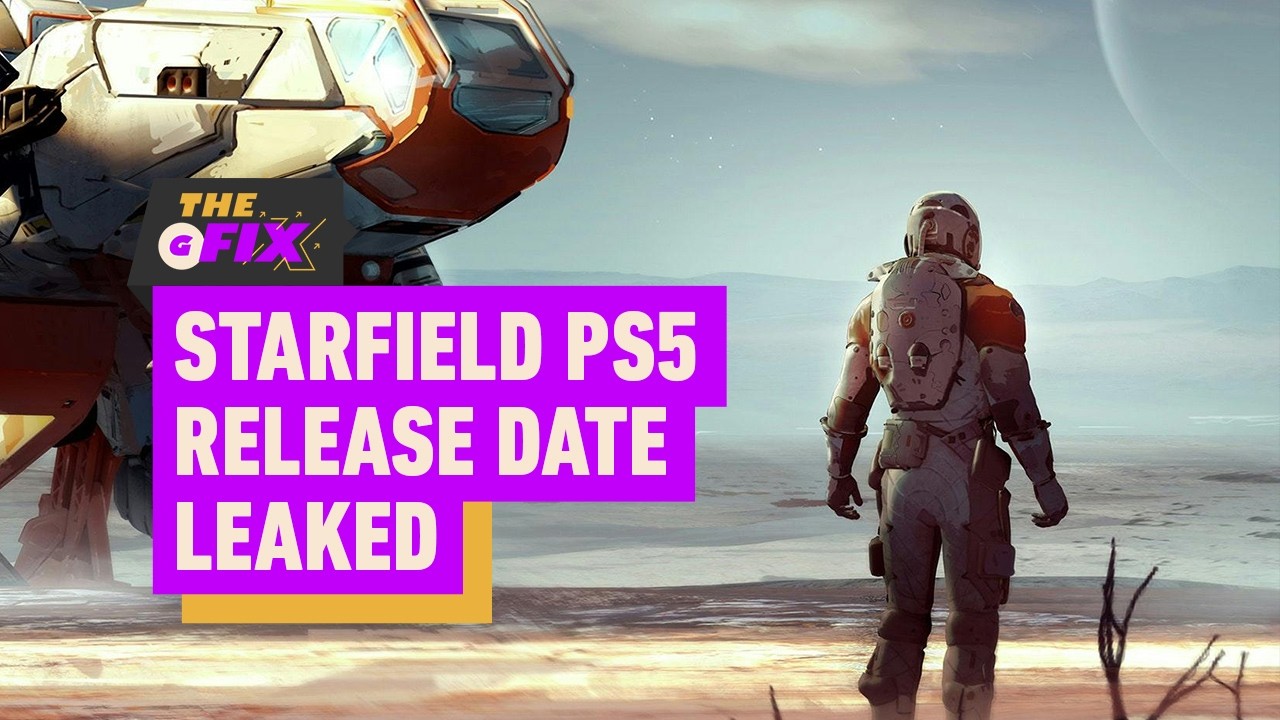
Weekly Sector Intelligence: Starfield’s Next Phase, Not 2.0
Starfield is entering a new operational phase, but not the hard reboot some players were expecting. Bethesda is positioning the Free Lanes update as a major systems injection rather than a formal “Starfield 2.0” moment, signaling a long-haul live-ops strategy instead of a single make-or-break patch. For #gamedev watchers, this is a clear pivot toward incremental, telemetry-driven iteration rather than one monolithic overhaul.
Over the last seven days, three key signals define Starfield’s trajectory: the Free Lanes navigation overhaul, the Terran Armada ship pack’s heavier combat footprint, and confirmation of a PS5 port release window. Taken together, they mark the start of Starfield’s second operational year as a multi-platform, continuously tuned live product rather than a one-and-done single-player RPG.
Free Lanes: Navigation as a Live System, Not a Static Map
Early field diagnostics on the Free Lanes update suggest Bethesda is directly targeting one of Starfield’s most criticized pain points: traversal friction. By adding structured navigation lanes and rebalancing systemic travel, the studio is effectively turning the galaxy map into a more readable, legible network rather than a series of disconnected loading hops.
Players are reporting smoother long-haul runs and clearer travel intent, with Free Lanes functioning like high-speed corridors that compress downtime between points of interest. From a #gamedev perspective, this is a classic systems-design correction: reduce perceived dead time, increase contact frequency with handcrafted content, and keep players in the loop of exploration–combat–reward.
Crucially, Bethesda has clarified that Free Lanes is not a “2.0” relaunch. Instead, it’s framed as one of many upcoming “firmware passes” on Starfield’s core loops. That language matters. It positions the game as a service-like RPG where traversal, economy, and combat will continue to receive balance passes rather than being frozen in a launch-state snapshot.
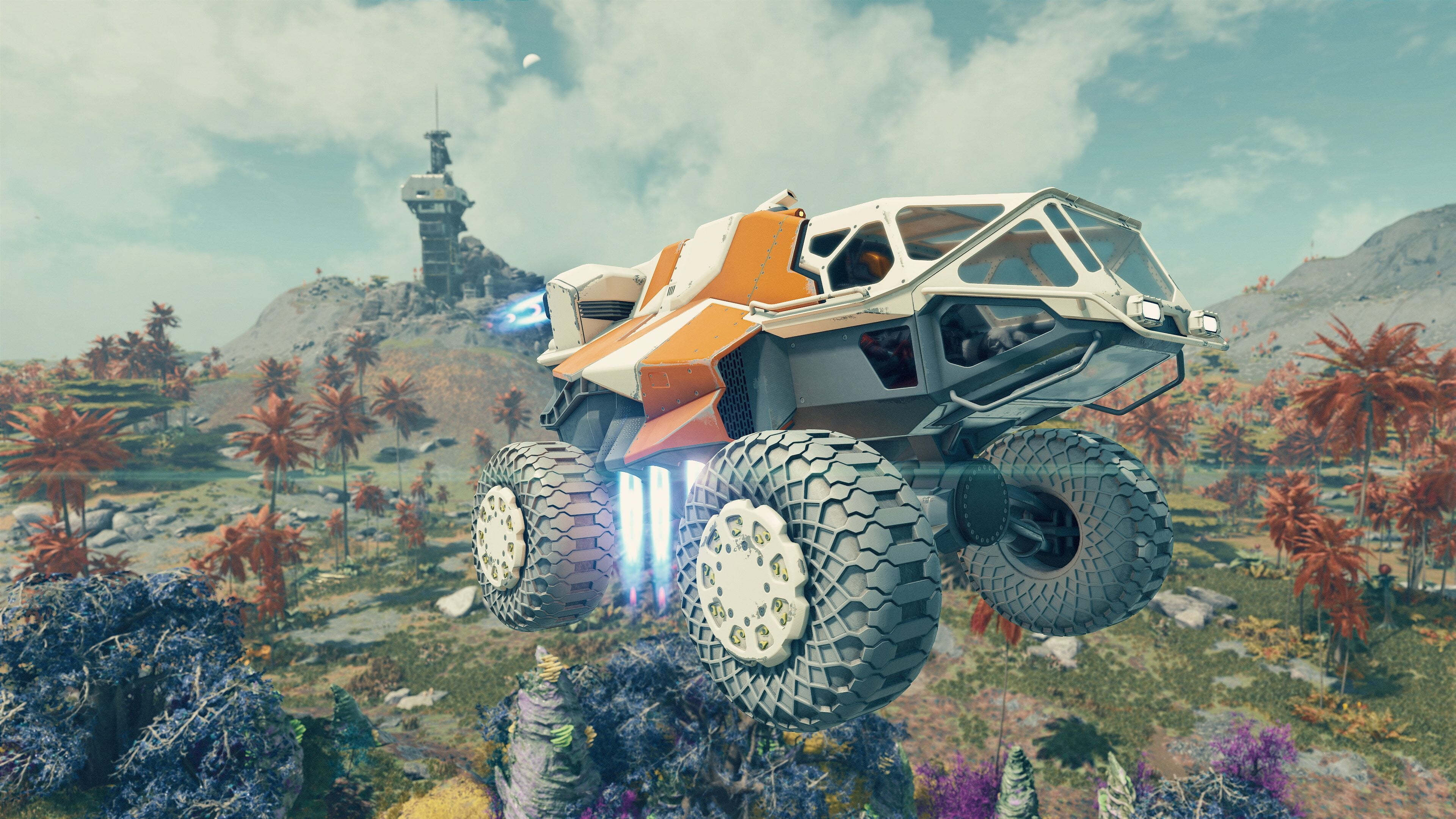
Terran Armada: Heavier Metal, Heavier Meta
Deployed alongside Free Lanes, the Terran Armada DLC drops a new suite of warship-class hardware into the fleet roster. Early impressions note “denser combat options” and a clear tilt toward heavier, more aggressive builds. This is less about cosmetic variety and more about meta-shifting ship doctrine.
For players, Terran Armada appears to incentivize:
- Frontline brawlers over pure glass-cannon or stealth builds.
- More deliberate investment into power management and subsystem targeting.
- Re-specs of existing loadouts to synergize with the new hulls and weapon packages.
For #gamedev and #indiegame teams studying Starfield’s live evolution, there’s a pattern here: Bethesda isn’t just adding content; it’s reframing the way players engage with old content. New ships + traversal rework = a reason to re-fly old routes, re-engage old encounters, and re-evaluate previously “solved” builds.
Systems Overhaul & PS5 Port: Redeploying Beyond the Original Perimeter
Parallel to the Free Lanes and Terran Armada rollout, Bethesda has detailed a massive systems update focused on stability, gameplay tuning, and feature calibrations across exploration and combat. The messaging reads like a mid-life refit: tightening performance, smoothing edge cases, and reinforcing the core fantasy of being a spacefaring explorer rather than a loading-screen commuter.
The other major strategic signal is the PS5 port release window. Starfield is preparing to redeploy beyond its original Xbox/PC perimeter, which has two big implications:
- Fresh Telemetry Influx: A new hardware ecosystem means new performance baselines, new control expectations, and a broader sample of player behavior. Expect further tuning passes once PS5 data starts flowing.
- Extended Content Horizon: You don’t open a new platform front without a roadmap. The explicit mention of post–Free Lanes support suggests Bethesda is aligning the PS5 launch with an extended content and systems cadence.
Watch: Transmitting Gameplay footage from the field: Starfield PS5 redeployment briefing
Strategic Read: Starfield as a Long-Haul Live RPG
Across navigation, combat, and platform strategy, Starfield’s latest moves are less about erasing the past and more about re-architecting the future. The refusal to brand Free Lanes as “2.0” is intentional—it keeps expectations grounded while giving Bethesda room to iterate.
For players, the message is clear: expect ongoing balance passes, new traversal logic, and periodic hardware-grade content drops like Terran Armada. For developers tracking #gamedev trends, Starfield is increasingly a case study in how a big-budget RPG can adopt live-ops thinking—without fully abandoning its single-player DNA.
Starfield isn’t rebooting. It’s re-routing, re-arming, and redeploying—one systems injection at a time.
Sources and corrections
This archive entry does not have a verified article-source list. Images and video embeds alone are not evidence for every claim.
Found an error? Request a correction. Include the passage and a supporting source.