Automated archive / StarCraft
Blizzard’s Secretive StarCraft Shooter Enters the Crosshairs
New intelligence suggests Blizzard is quietly collaborating with Nexon on a StarCraft shooter that blends RTS strategy with FPS combat. If confirmed, this project could become a defining case study in cross-genre design and legacy IP revival.
AI-generated summary. This archive article does not have a current recorded source check. Check linked sources before relying on details. Editorial policy
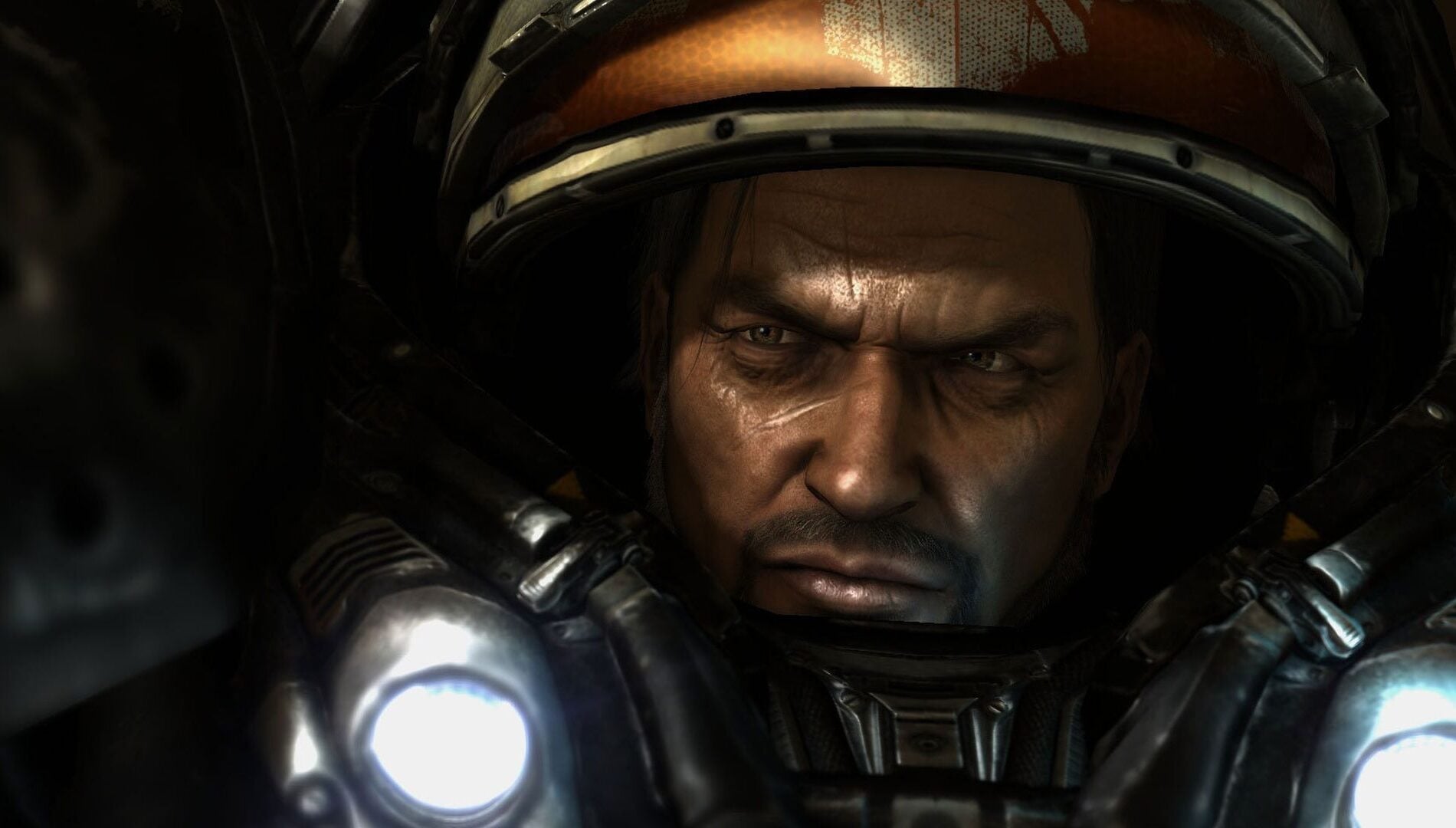
Weekly Sector Intelligence: StarCraft Theater – Week of February 10, 2026
The StarCraft signal traffic spiked this week with a single but potent transmission: credible whispers of a new StarCraft shooter, reportedly in co-development between Blizzard and Nexon. While Blizzard remains officially silent, the pattern of leaks, job listings, and prior cancelled prototypes suggests the studio is once again exploring how to turn its legendary RTS universe into a boots-on-the-ground experience. For #gamedev observers and #indiegame teams alike, this potential StarCraft FPS hybrid could reshape expectations for how legacy strategy IP is modernized.
Signal Intercept: What the Rumor Actually Says
Blizzard + Nexon: An Unlikely Tactical Alliance
The intercepted report points to Blizzard partnering with Nexon on a StarCraft shooter that aims to fuse epic large-scale strategy with first-person intensity. That phrase alone implies something more ambitious than a conventional arena shooter:
- Macro + Micro Hybrid: Expect experiments where traditional StarCraft elements—base control, tech trees, and unit composition—are filtered into moment-to-moment FPS decisions.
- Live Service DNA: Nexon’s track record in online titles suggests a design biased toward persistent progression, seasonal content, and monetization loops that must coexist with Blizzard’s higher bar for polish and narrative.
- Global Market Calibration: A co-dev with a Korean powerhouse hints at a product tuned for Korean PC cafés, global esports potential, and cross-region balance concerns from day one.
Design Implications: Translating RTS Tactics into FPS Combat
From APM to Trigger Discipline
StarCraft’s identity is built on APM (actions per minute), information warfare, and asymmetric factions. If Blizzard is serious about “merging strategy with FPS intensity,” several design challenges surface:
- Faction Asymmetry in First-Person: Terran adaptability, Zerg swarm tactics, and Protoss tech superiority must be expressed through weapon kits, mobility options, and class roles, not just cosmetics.
- Information as a Weapon: Fog of war, scouting, and detection could become sensor drones, cloaking fields, and counter-recon gadgets, preserving the mind-game layer that defines high-level StarCraft.
- Economy Without Spreadsheets: Instead of full RTS macro, expect streamlined systems—control points generating resources, team-wide tech unlocks, or commander abilities that echo StarCraft’s economy without overwhelming FPS players.
For #gamedev teams, this is a live case study in genre fusion: how far you can bend an IP’s DNA before it breaks. The risk isn’t just balance—it’s alienating the core RTS audience while failing to win over shooter veterans.
Production & Pipeline: What This Means Behind the Scenes
Co-Development Complexity
If the Blizzard–Nexon partnership is accurate, the production pipeline becomes a critical point of analysis:
- Split Ownership of Systems: Blizzard may retain control of core StarCraft lore, visual identity, and high-level combat feel, while Nexon contributes netcode expertise, monetization systems, and live-ops tooling.
- Engine & Tooling Decisions: Whether this shooter uses a proprietary Blizzard engine or a more standard solution (e.g., Unreal) will significantly affect iteration speed, cross-platform support, and mod potential.
- Regional Live-Ops: Nexon’s infrastructure in Asia could handle regional balance patches, events, and payment systems, while Blizzard coordinates global narrative beats and esports strategy.
For smaller #indiegame studios, this project underscores a broader trend: legacy IP holders increasingly rely on co-dev partnerships to move faster in competitive genres without hiring full internal shooter-specialist teams.
Competitive Landscape: Where a StarCraft Shooter Would Land
The FPS Market Is Already Saturated
Any new StarCraft shooter would enter a field dominated by Call of Duty, Valorant, Apex Legends, and Escape from Tarkov, with extraction shooters and tactical arena titles already jostling for player time. To stand out, Blizzard’s project must lean hard into what only StarCraft can offer:
- Three-Faction Identity: Terran, Zerg, and Protoss are instantly recognizable brands. Each faction can anchor distinct playstyles, cosmetics, and narrative arcs.
- Esports Legacy: StarCraft’s history as an esports pillar gives Blizzard leverage to position the shooter as a new competitive circuit, potentially cross-promoting with any future RTS revival.
- Lore-Rich Campaign: A narrative-driven campaign or co-op mode set during key conflicts (Brood War flashpoints, Dominion black-ops, or Zerg hive incursions) could differentiate it from purely PvP shooters.
Strategic Outlook: What to Watch Next
Signals to Monitor in the Coming Weeks
Developers, analysts, and StarCraft veterans should keep their sensors tuned for:
- Job Listings & Tech Hints: Engine choices, networking requirements, and tools mentioned in job posts will reveal the project’s scale and target platforms.
- Esports & Creator Outreach: Early contact with casters, pro players, and content creators would indicate Blizzard is positioning this as a competitive flagship rather than a narrative side project.
- Cross-IP Strategy: Watch for Blizzard testing StarCraft-themed events in Overwatch 2 or other titles as a soft probe of audience appetite for a shooter pivot.
Closing Brief: StarCraft’s Next Evolution
This week’s single intercepted rumor may be thin on official confirmation, but its implications are substantial. If Blizzard and Nexon are truly forging a StarCraft shooter that fuses RTS strategy with FPS action, the project could redefine how dormant strategy franchises are revived in a market obsessed with live-service shooters.
For #gamedev professionals, StarCraft’s next move is more than nostalgia—it’s a blueprint for IP transformation, cross-genre design, and multinational co-development. Until the next transmission, keep your scanners active and your build orders flexible.
Sources and corrections
This archive entry does not have a verified article-source list. Images and video embeds alone are not evidence for every claim.
Found an error? Request a correction. Include the passage and a supporting source.