Automated archive / Slay the Spire 2
Slay the Spire 2 Turns Early Access Into a Live Design Lab
Slay the Spire 2 has entered Early Access as a live design lab, not a nostalgia play, pushing its roguelike deckbuilding systems harder than ever. Early telemetry shows strong market traction and high replayability, with intentional balance volatility driving a rich testbed for developers and players alike.
AI-generated summary. This archive article does not have a current recorded source check. Check linked sources before relying on details. Editorial policy
Sector Intelligence Report // Slay the Spire 2
Slay the Spire 2 has entered Early Access not as a sequel chasing spectacle, but as a controlled experiment in iterative roguelike design. Over the last week, our feeds show a project behaving like a live lab: systems are being pushed, telemetry is being watched, and the balance sheet is intentionally volatile. For #gamedev and #indiegame teams, this is a case study in how to scale a beloved design without detonating its core loop.
1. Early Access as a Controlled Explosion
The current Slay the Spire 2 build reads like a carefully staged escalation rather than a reboot. Multiple classes, new map-routing logic, and expanded relic/card synergies are all online, but each is tuned to stress-test specific parts of the run economy.
The key signal from our Iterative Roguelike Systems Analysis:
- Replayability is already high – run diversity is emerging from route choices and synergy density, not just raw card volume.
- Balance is intentionally loose – some cards and relics are spiking hard, which is exactly what you want in this phase if you’re mining data for long-term tuning.
- Core identity is preserved – this still feels like Slay the Spire: information-forward, punishment-heavy, and ruthlessly systemic.
For developers, this is the Early Access sweet spot: the design is stable enough to be legible, but unstable enough to generate meaningful telemetry.
2. Market Telemetry: The Spire Breaches the Revenue Grid
Our Weekly Revenue Uplink from the Steam top seller stack (week of 10–17 March 2026) flags Slay the Spire 2 punching into the upper lanes alongside big-budget competitors like Crimson Desert and Monster Hunter Stories 3: Twisted Reflection.
Even without exact positional data, the signal is clear:
- Conversion is strong despite the Early Access label, indicating high trust in the brand and the genre.
- Roguelike deckbuilders remain commercially durable, even as live-service and extraction shooters dominate the discourse.
- For investors and studios, this is a green light that deep systems-first design can still anchor the charts.
In practical #gamedev terms, Slay the Spire 2 is validating a model: a mechanically dense, iteration-heavy project can command front-page revenue without leaning on cinematic scale.
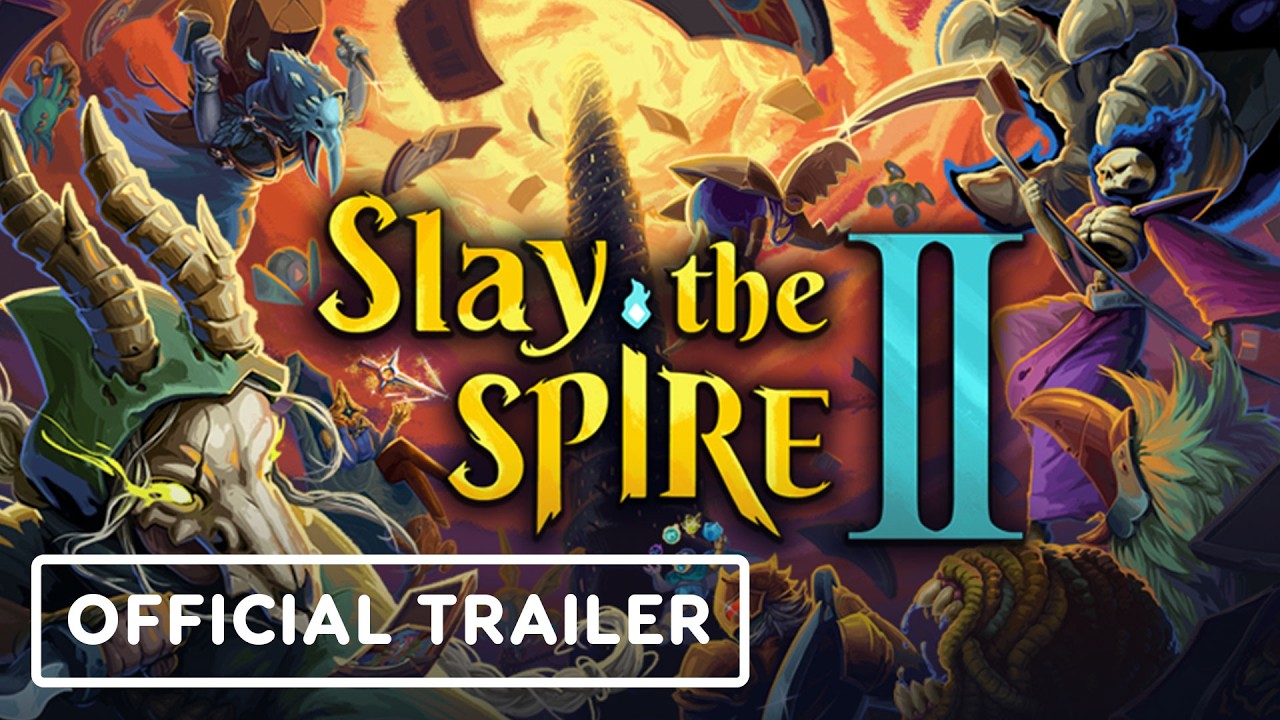
Watch: Transmitting Gameplay footage from the field: Official Slay the Spire 2 systems broadcast
3. Systems-Level Onboarding: The Spire Still Doesn’t Care About Your Feelings
Our Operational Primer for new recruits paints a familiar picture: early floors are shredding unprepared players. Despite sequel status, Slay the Spire 2 refuses to soften its onboarding. The design is still built on the assumption that players will learn by failing – repeatedly.
Key operational directives from the field:
- Prioritize card economy – Draft engines (draw, energy, and resource loops) before chasing flashy payoff cards. Without an engine, your deck is just a slower way to die.
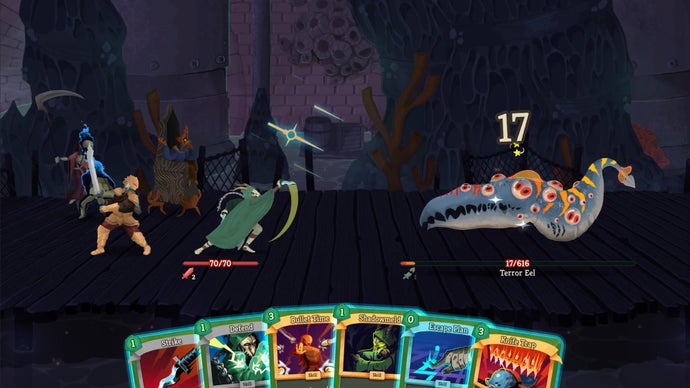
- Route like a strategist, not a tourist – The new map-routing logic increases the importance of path planning. Elite density, event risk, and campfire access must be evaluated as a single resource puzzle.
- Relic synergy > raw stats – High-impact relic interactions are already emerging as run-defining. The meta is less about one broken card and more about how relics reframe your entire decision tree.
- HP is a currency – Treat health as a spendable resource for tempo, route aggression, and greed. Over-defending is just another way of losing slowly.
For designers, this is a reminder that you can demand expertise from your players if the information is clear and the rules are consistent. Slay the Spire 2’s onboarding philosophy is not “be nice,” it’s “be readable.”
4. Design Signals for Developers and Analysts
From a systems and production standpoint, several trends are worth highlighting:
4.1 Iteration Over Reinvention
Slay the Spire 2 is doubling down on what made the original sticky:
- Deckbuilding remains the primary verb, but is now nested inside richer map and relic decisions.
- Synergy density is up, which increases both ceiling and variance – a deliberate choice to keep long-term players engaged.
- Balance volatility is being embraced as a feature of Early Access, not a flaw.
This is a textbook example of sequel design that extends the decision space instead of replacing it.
4.2 Telemetry-Driven Balancing
The language out of the field – “live lab experiment,” “volatile variables,” “monitor this chart” – points to a strongly data-driven process:
- Card and relic performance will likely be tuned via run outcome data, not just designer instinct.
- Map node selection patterns will inform future routing adjustments and encounter tuning.
- Revenue and concurrency metrics will help calibrate update cadence and content drops.
For #indiegame teams, the takeaway is clear: if you’re going to run Early Access, treat it like a genuine analytics pipeline, not just a pre-order with extra steps.
5. Strategic Outlook: What to Watch Next
Over the coming weeks, key watchpoints for Slay the Spire 2 include:
- Balance passes on outlier builds that are overperforming in the current meta.
- Adjustments to early-floor difficulty if new player churn spikes too hard.
- Content layering – new cards, relics, and events will test how robust the current systems really are.
Right now, Slay the Spire 2 is doing exactly what a sequel in Early Access should do: protect the core loop, expand the decision space, and use the playerbase as a high-signal test harness. For designers, analysts, and anyone tracking systemic games, this is one of 2026’s most important live case studies.
Sources and corrections
This archive entry does not have a verified article-source list. Images and video embeds alone are not evidence for every claim.
Found an error? Request a correction. Include the passage and a supporting source.