Automated archive / Slay the Spire 2
Slay the Spire 2 Enters Early Access as a Live-Data Roguelike Lab
Slay the Spire 2 has entered Early Access not as a finished product, but as a live roguelike lab where players are the test pilots and the data stream never shuts off. With volatile balance, brutal onboarding, and top-tier Steam revenue signals, the sequel is quietly rewriting the playbook for system-driven indie...
AI-generated summary. This archive article does not have a current recorded source check. Check linked sources before relying on details. Editorial policy
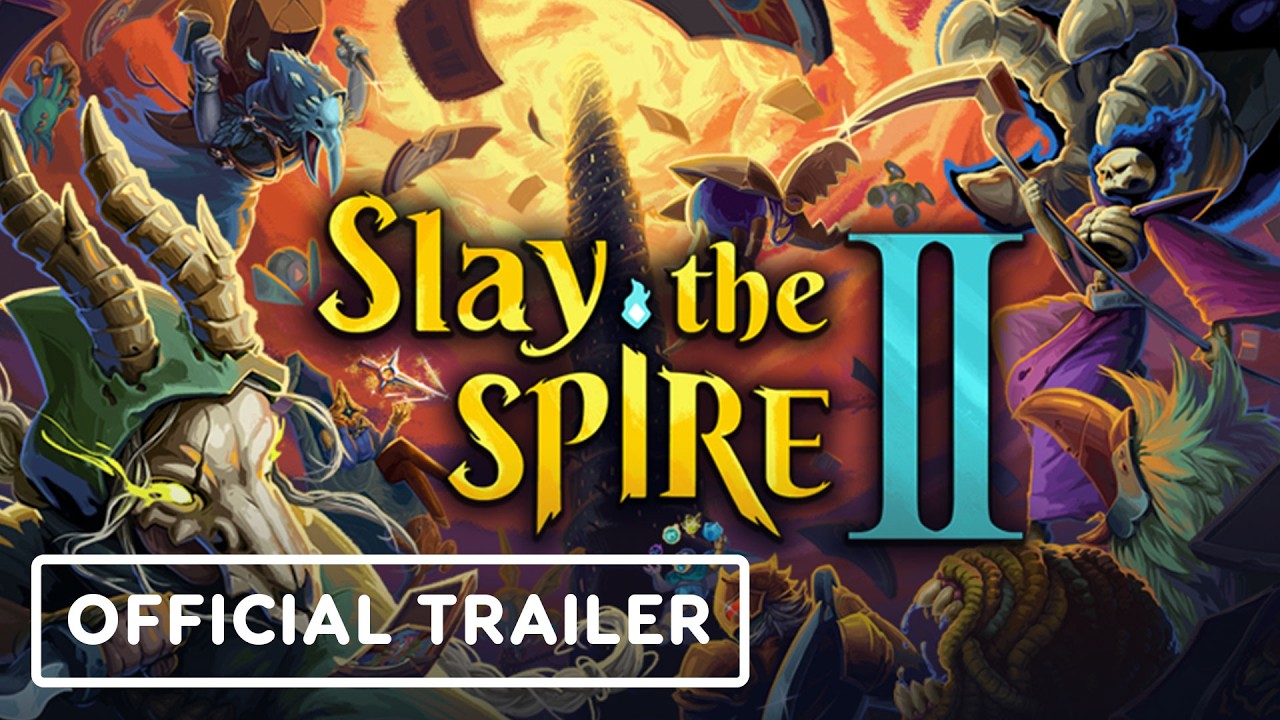
Sector Intelligence Report // Slay the Spire 2
Slay the Spire 2 has officially moved from theoretical design doc to live-fire simulation. Early Access isn’t just a launch state here—it’s a controlled experiment in iterative roguelike design, with the community feeding telemetry straight back into Mega Crit’s balancing apparatus. For #gamedev watchers and players alike, this is the moment where design intent collides with real-world routing decisions, busted relic combos, and floor-three body bags.
Market Telemetry: Spire 2 Crashes the Steam Revenue Grid
The latest revenue uplink for the 2026-W12 window (10–17 March) flags Slay the Spire 2 as a front-line combatant on Steam’s top seller stack. Exact slotting data is redacted in the feed, but the company it keeps—Crimson Desert, Monster Hunter Stories 3: Twisted Reflection, Resident Evil Requiem, and Marathon—is telling.
For an ostensibly niche, single-player, card-based #indiegame to stand shoulder to shoulder with major AAA campaigns is a clear signal: the deckbuilder roguelike is no longer a side genre; it’s a pillar. That has three immediate implications:
1. Funding Signals for System-Heavy Indies
Investors and publishers tracking the chart will see slay the spire 2 validating a design thesis: deep, replayable systems can monetize as effectively as content-heavy open worlds. Expect an uptick in:
- System-first roguelike pitches
- Deckbuilding hybrids (RPGs, tactics, even extraction shooters experimenting with card layers)
- Longer Early Access tails as a core business model
2. Competitive Pressure on Adjacent Roguelikes
Any studio currently building a run-based game with meta-progression now has a new benchmark. Slay the Spire 2’s visibility will shape expectations around:
- Run length and pacing
- Build diversity and viable archetypes
- Daily/weekly challenge hooks and live-ops style updates
3. Early Access as a Public Design Workshop
The activity feed reads like a design lab notebook in public: balance variables are still “volatile,” but that volatility is a feature, not a bug. For #gamedev teams, this is a case study in how to:
- Use Early Access as a tuning ground for card pools and relic economies
- Communicate that instability honestly while still selling the fantasy
- Keep a highly engaged, theorycraft-heavy audience aligned with long-term vision
Systems Intel: A Controlled Escalation, Not a Reboot
The early-access report frames Slay the Spire 2 as a “controlled escalation” rather than a radical reinvention. That’s crucial. Mega Crit is iterating on a proven combat grammar instead of throwing the deck out and starting over.
Key structural upgrades emerging from the field:
Expanded Class Roster & Synergy Webs
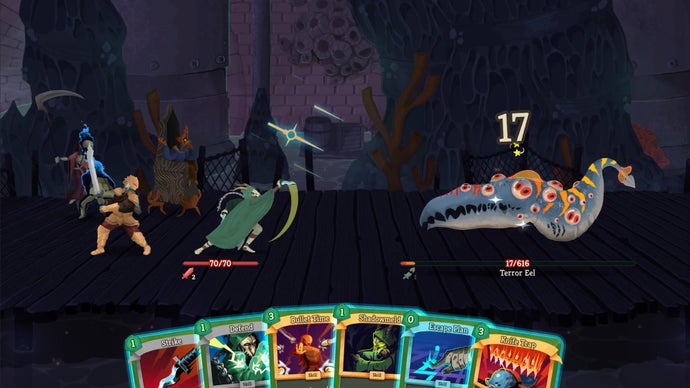
Multiple classes are already online, each threading new mechanical identities into the card pool. Instead of just stacking more damage types, Slay the Spire 2 appears to be widening the synergy lattice:
- More nuanced relic interactions
- Multi-axis build paths (economy, scaling, control, defense) that cross-pollinate
- Higher ceiling for emergent combos—and therefore higher risk of outliers that need nerfing
This is where Early Access earns its keep. When you let thousands of players stress-test your design, they will find the degenerate lines your internal QA never touched.
New Map Routing Logic
Routing in Slay the Spire has always been a soft puzzle about risk, reward, and resource burn. The sequel’s “new map routing logic” suggests:
- More meaningful node differentiation
- Higher density of decision points
- Potentially more complex path evaluation (economy vs. safety vs. event exploitation)
For players, that means fewer autopilot routes and more runs decided in the overworld, not just in the combat grid. For designers, it’s a live A/B test of how much cognitive load your average run can handle before decision fatigue kicks in.
Onboarding the Redshirts: The New Player Attrition Problem
Watch: Transmitting Gameplay footage from the field: Official Slay the Spire 2 gameplay briefing
The beginner’s guide feed paints a clear picture: new recruits are getting mulched on the early floors. The language is blunt—players are “face-checking the early floors like redshirts in a Klingon bar.” Translation: onboarding is punishing, and the game assumes a baseline literacy in modern deckbuilder logic.
From a design and #gamedev standpoint, three themes emerge:
1. Card Economy Over Raw Damage
The guide’s emphasis on card economy is a tell. You’re not just drafting for immediate power; you’re drafting for:
- Draw density (how often you see your key engine pieces)
- Energy efficiency (ratio of impact per energy spent)
- Cycle control (scry, discard, exhaust, and other filters)
This confirms that Slay the Spire 2 is leaning harder into engine-building than its predecessor. Misunderstand this, and you die with a hand full of flashy but inefficient plays.
2. Route Calculation as a Core Skill Check
The guide’s directive to “analyze every node” elevates routing from meta consideration to primary gameplay loop. It’s not just:
- "Elite or no elite?"
It’s:
- When to take elites
- How to sequence shops and campfires
- Where to absorb damage to set up later payoffs
This is where the “HP as a resource” doctrine comes in. Players who treat their health bar as a sacred object instead of a spendable currency are stalling their own scaling.
3. Teaching the Right Lessons Early
The fact that floor-three deaths are common is both a retention risk and a design opportunity. The early game is teaching players:
- Don’t draft greedily; draft for a coherent core engine
- Don’t route on vibes; route on economy and risk curves
- Don’t hoard HP; invest it to secure relics, card picks, and tempo
For an #indiegame operating in Early Access, this is the phase where tutorialization, tooltips, and subtle encounter design tweaks can dramatically smooth the adoption curve without flattening the skill ceiling.
Live-Lab Balancing: Volatile Variables, Stable Vision
The field report explicitly calls out “balance variables still volatile”—exactly what you’d expect from a systems-heavy Early Access launch. The important part is that the volatility is bounded by a stable design vision:
- Core loop (draft → route → fight → adapt) remains intact
- Run-based structure is familiar to returning players
- New content (classes, relics, cards, node logic) is layered on top, not replacing fundamentals
For #gamedev teams watching from the sidelines, Slay the Spire 2 is demonstrating how to:
- Roll out aggressive content expansions while keeping a tight core loop
- Let the community stress-test the outer edges of your balance envelope
- Use data-driven iteration rather than knee-jerk nerfs
Strategic Outlook: What Comes Next for Slay the Spire 2
As of this week’s Sector Intelligence window, slay the spire 2 is:
- Commercially validated via Steam top seller presence
- Systemically ambitious, especially in routing and synergy density
- Brutal on new players, but in a way that can be tuned via encounter design and UX
The big watch-points for the coming weeks:
- Balance passes on outlier relic/card synergies as the meta crystallizes
- Onboarding refinements to reduce floor-three churn without sacrificing difficulty
- Content cadence—how quickly Mega Crit feeds new cards, relics, and events into the lab without destabilizing the whole structure
For players, this is the best time to be in the Spire: the meta is wild, the lab is open, and every patch can flip the tier list. For developers, this is a live case study in how an #indiegame can use Early Access as both a business model and a design methodology.
Slay the Spire 2 isn’t just another sequel—it’s a running experiment in how far you can push a beloved ruleset without breaking the spell.
Sources and corrections
This archive entry does not have a verified article-source list. Images and video embeds alone are not evidence for every claim.
Found an error? Request a correction. Include the passage and a supporting source.