Automated archive / Slay the Spire 2
Slay the Spire 2 Enters the Optimization Era
New intel on Slay the Spire 2 shows a sequel that’s doubling down on systems depth, punishing onboarding, and high-stakes co-op instead of chasing casualization. With controlled-mutation replay systems and strong Steam chart presence, the Spire’s second ascent is positioning itself as a long-term strategy lab...
AI-generated summary. This archive article does not have a current recorded source check. Check linked sources before relying on details. Editorial policy
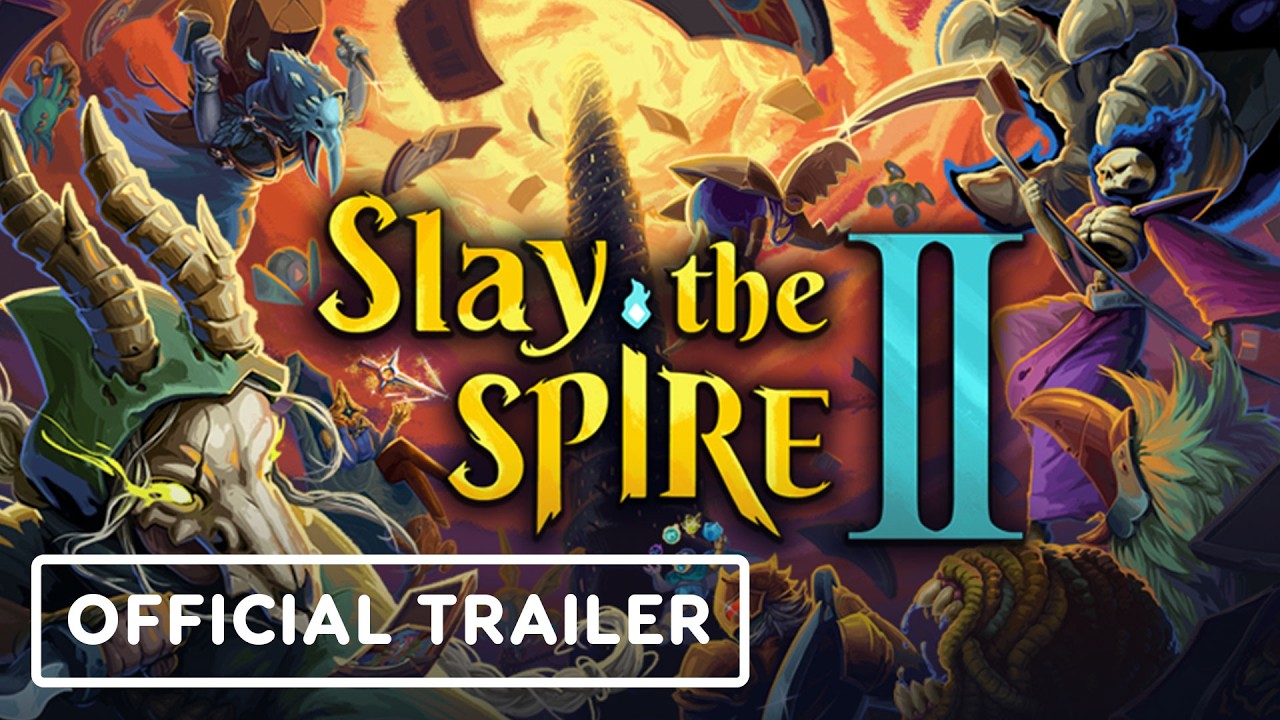
Sector Intelligence Report // Slay the Spire 2
The last week of telemetry around slay the spire 2 paints a clear picture: the sequel has moved beyond announcement buzz and into a live-fire optimization phase. Players are no longer just sampling the new Spire—they’re stress-testing its systems, from onboarding and replayability to emergent co-op tactics, with market data confirming that interest is holding at scale.
1. Onboarding Under Fire: Early Floors Are Eating Recruits
The most urgent signal from the field is a brutal one: new players are getting shredded on the early floors.
The Beginner’s Guide intel drop reframes the first acts of Slay the Spire 2 as a systems literacy exam rather than a casual warm-up. The core message is unambiguous:
- Card economy > brute force. Drafting is being treated like a loot box instead of a long-term engine. The guide pushes players to think in terms of engines (draw, scaling, mitigation) instead of “good cards in a vacuum.”
- Route planning as a primary skill check. Every node—elite, campfire, event, shop—is a resource puzzle, not a linear progression. Early data suggests that players who pre-plan routes around relic synergies and future shops survive significantly longer than those who path reactively.
- HP as a consumable resource. The report’s framing of HP as a “resource, not a decorative bar” is telling. The sequel appears to double down on the idea that intelligent risk (taking hits to secure relics or high-value events) is rewarded over safe but low-upside lines.
From a #gamedev and #indiegame perspective, this implies a deliberate design stance: Slay the Spire 2 is not softening its edges for a wider audience. Instead, it’s leaning into systems clarity and player education, trusting players to rise to the complexity rather than sanding it down.
2. Replayability as Controlled Mutation, Not Repetition
The second major data packet centers on replay systems—the backbone of any roguelike, but especially a deckbuilder that expects hundreds of runs.
The field note on replayability describes Slay the Spire 2 as a “controlled mutation” lab:
- Iterative runs with meaningful divergence. Rather than pure randomness, the sequel appears tuned around curated variance: encounter pools, relic ecosystems, and card offerings evolve in ways that feel responsive to player behavior rather than chaotic.
- Evolving card ecosystems. The language around “evolving card ecosystems” suggests that card pools and synergies may subtly shift over time, potentially in response to meta trends or internal progression flags. This is a strong countermeasure against “solved” builds dominating the long tail.
- Long-term engagement loops. The focus is clearly on retention: the game isn’t just built to be beaten—it’s built to be studied over months. From a design angle, this is Slay the Spire 2 leaning into its identity as a strategy sandbox rather than a content treadmill.
For developers tracking roguelike deckbuilder design, this is a notable escalation: replayability is being treated as a systemic structure rather than a side effect of RNG.
3. Co-op Deck Warfare: From Solitary Climb to Two-Operator Runs
The co-op gameplay intel marks the biggest structural shift from the original: Slay the Spire 2 is no longer a purely solitary roguelike, it’s a two-operator tactical exercise.
Key takeaways from the 18 minutes of multiplayer gameplay feed:
- Shared lanes and synchronized timing. Co-op is not just “two people doing their own thing.” Shared lanes and synchronized card timing indicate a design where both players are part of a single tactical equation.
- Joint relic and route decisions. The friction point is intentional: decisions about relics, events, and elites must now accommodate two builds at once. This amplifies decision density and social negotiation.
- Increased cognitive load, higher ceiling. For high-skill players, co-op turns the game into a live theorycraft session. For casual duos, it risks analysis paralysis—but that may be a trade the devs are willing to make to preserve depth.
From a #gamedev lens, this is a bold move. Co-op in a card-based roguelike is notoriously difficult to pace and communicate, but if successful, it gives Slay the Spire 2 a distinctive identity even in a crowded deckbuilder landscape.
4. Market Telemetry: Holding Space on the Steam Grid
The Steam top-seller pulse for March 3–10, 2026 confirms that Slay the Spire 2 isn’t just a niche curiosity—it’s competing in the same commercial airspace as Marathon, Resident Evil Requiem, and Crimson Desert, while Steam Deck hardware remains a strong vector.
Implications for the sector:
- PC-first, handheld-friendly design is paying off. The original Slay the Spire became a staple on portable platforms. With Steam Deck traction still high, Slay the Spire 2’s turn-based, low-input design is perfectly aligned for hybrid play.
- Strong early adoption window. Locking into the top-seller grid against heavyweight IP suggests a robust day-one and week-one conversion. This gives the devs runway to iterate on balance, onboarding, and co-op without fighting for visibility.
- Meta visibility loop. High placement on the charts feeds back into visibility on streaming platforms and social media, which in turn fuels more experimentation with builds, co-op runs, and high-ascension challenges.
For other #indiegame teams, Slay the Spire 2 is a live case study in how deep systems design plus strong brand memory can stand toe-to-toe with AAA launches.
5. Strategic Outlook: What to Watch Next
Based on the last week’s signals, the critical watchpoints for Slay the Spire 2 going forward are:
- Onboarding refinement vs. difficulty integrity. Will the team adjust early-floor brutality, or double down and invest primarily in better teaching tools and guides?
- Replay system transparency. As the community dissects “controlled mutation,” expect demand for clarity on how encounter and card ecosystems evolve under the hood.
- Co-op meta formation. Once the player base has enough time with multiplayer, we’ll see whether co-op becomes a serious competitive/leaderboard vector or remains a novelty mode.
The Spire has always rewarded players who treat it like a lab instead of a slot machine. Slay the Spire 2, if this week’s intel is any indication, is building an even more demanding laboratory—one calibrated for long-term experimentation, not just a single clear.
Sources and corrections
This archive entry does not have a verified article-source list. Images and video embeds alone are not evidence for every claim.
Found an error? Request a correction. Include the passage and a supporting source.