Automated archive / Silent Hill: Townfall
Silent Hill: Townfall Locks in First-Person Psychological Warfare
Silent Hill: Townfall has finally broken radio silence, confirming a first-person psychological horror experience built around analog tech, surveillance, and judgment. With a fresh gameplay trailer and a new Silent Hill Transmission imminent, No Code and Annapurna are reframing Silent Hill as a broadcast of dread...
AI-generated summary. This archive article does not have a current recorded source check. Check linked sources before relying on details. Editorial policy
Sector Intelligence Report // Silent Hill: Townfall
Silent Hill: Townfall just moved from abstract concept to tangible threat. Over the last week, Konami’s latest Silent Hill experiment has finally shown its teeth: a new Silent Hill Transmission is on deck, and the first gameplay trailer has confirmed Townfall as a first-person psychological horror experience built around analog tech, corrupted imagery, and a persistent sense of being observed.
This isn’t simply another fog walk. It’s surveillance horror.
Signal Acquired: First-Person Psychological Horror Confirmed
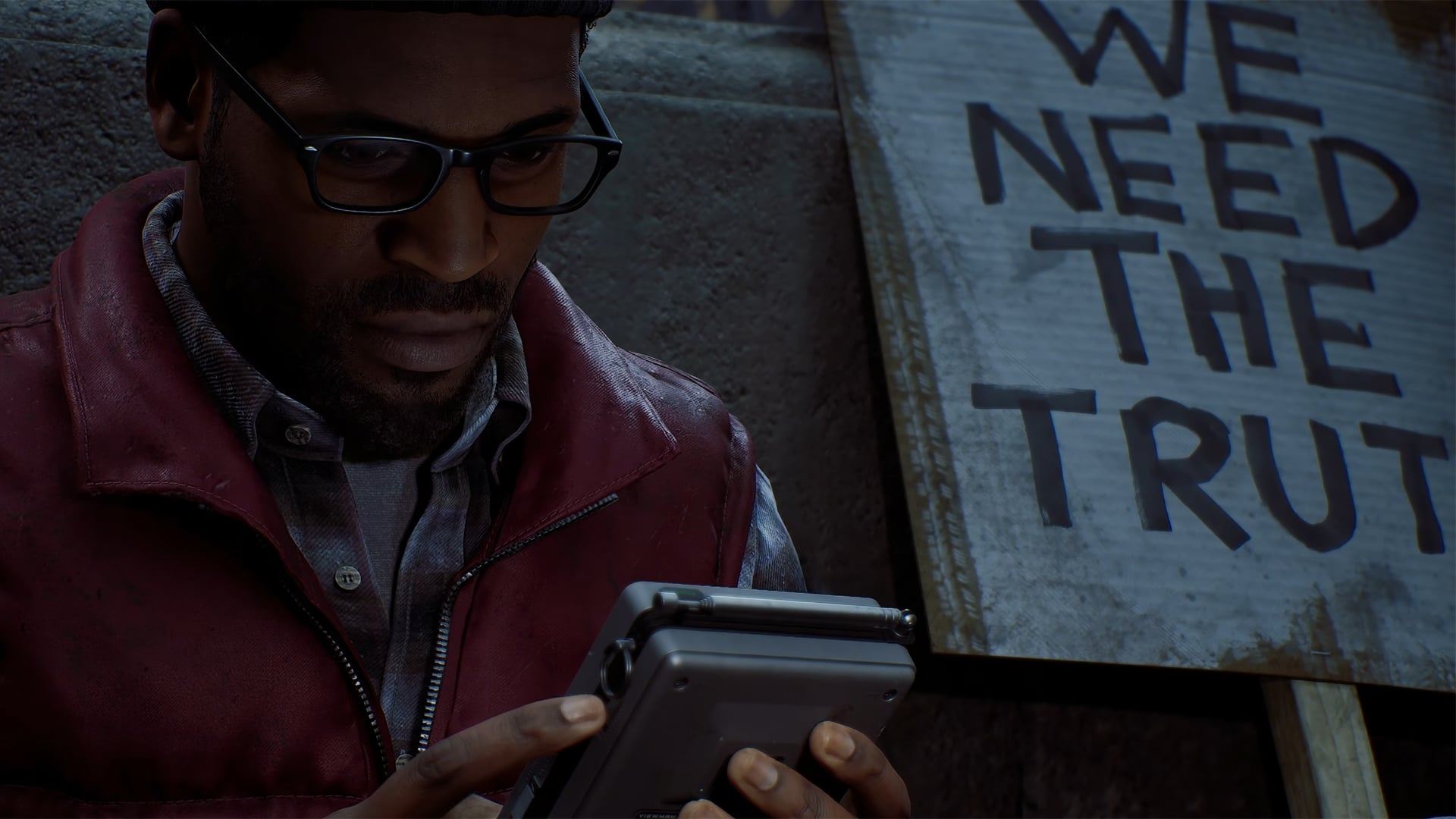
The new gameplay trailer confirms that Silent Hill: Townfall is a first-person descent into psychological horror, not a third-person throwback to the classic entries. That single design decision reframes the entire experience: Townfall is positioning the player less as an explorer of Silent Hill and more as a subject inside a controlled experiment.
Annapurna Interactive and No Code (Stories Untold, Observation) are leaning into their signature strengths: fragmented narratives, unreliable interfaces, and horror that lives in implication rather than spectacle. The trailer’s distorted CRT visuals, cryptic voiceover, and reality glitching at the edges of the frame all suggest a game that’s less about monsters in the hallway and more about the terror of being watched, recorded, and judged.
From a #gamedev perspective, the first-person choice unlocks several levers:
1. Intimacy as a Weapon
First-person horror compresses the player’s field of view, weaponizing blind spots and sound design. The activity feed highlights radio hiss, flickering lights, and analog static as primary tools of dread. That aligns with No Code’s prior work, where UI and diegetic interfaces are the horror. Expect:
- Tight corridors and limited sightlines to induce claustrophobia.
- Audio cues and disembodied voices acting as both narrative delivery and psychological pressure.
- Environmental storytelling that feels like evidence review rather than simple exploration.
2. Surveillance and Judgment as Core Themes
Multiple descriptions emphasize that Townfall is about being watched, recorded, and judged by something on the other side of the screen. That framing hints at a systemic layer beyond simple narrative dressing:
- In-world cameras, monitors, and CRT screens may double as both UI and narrative devices.
- Player choices could be logged and surfaced back diegetically, making the town feel like an active observer.
- The town’s “judgment” may manifest via branching narrative states, environmental shifts, or psychological profiling.
For #indiegame and horror devs, this is a case study in turning thematic pillars (guilt, judgment, memory) into interactive systems rather than just cutscene monologues.
3. Analog Horror Meets Environmental Puzzles
The activity feed points to layered storytelling and environmental puzzles rather than jump-scare corridors. Given No Code’s history, we can infer:
- Puzzles will likely be interface-driven: tuning frequencies, decoding signals, aligning imagery, or reconstructing timelines through corrupted media.
- The analog aesthetic—CRT distortion, tape glitches, static overlays—isn’t just visual flair; it’s probably mechanically relevant, forcing players to read through interference, both literal and metaphorical.
This positions Townfall as a bridge between traditional Silent Hill psychological horror and the modern analog horror scene that thrives on VHS artifacts, lost broadcasts, and corrupted archives.
Transmission Incoming: New Silent Hill Presentation on Deck
Konami has also confirmed a new Silent Hill Transmission this week, with Townfall set to feature prominently. This is more than a marketing bullet point; it’s a key timing marker for anyone tracking the project’s production cadence and messaging strategy.
We’re likely to see:
- A deeper dive into narrative framing – who is speaking, who is being judged, and why the town’s “broadcast” matters.
- Clarification on game structure – is this a linear campaign, an episodic broadcast-style experience, or something more experimental?
- Possibly a closer look at how player agency intersects with the game’s surveillance motif.
Watch: Transmitting Gameplay footage from the field: First gameplay signal for Silent Hill: Townfall
For the broader Silent Hill ecosystem, Townfall is the most conceptually radical of the announced projects. It’s less about resurrecting the exact PS2-era formula and more about reinterpreting Silent Hill as a broadcast of dread—a signal that infects the player’s space rather than a town you simply visit.
Strategic Readout for Developers and Analysts
From a development update standpoint, this week’s data points indicate that Townfall is exiting its most opaque phase and entering a communication-forward cycle:
- Core perspective and tone are locked: first-person, psychological, analog-driven.
- Publisher–developer alignment is clear: Annapurna and No Code are allowed to lean into their niche, suggesting Konami wants prestige horror credibility alongside brand nostalgia.
- Marketing vector: the focus on transmissions, signals, and broadcasts suggests a campaign built around recurring drops of cryptic content, rather than one big info dump.
For #gamedev observers, Silent Hill: Townfall is shaping up as a high-profile example of how to:
- Fuse thematic consistency (judgment, memory, guilt) with interface-level design (CRT UI, static, signal tuning).
- Use first-person not just for immersion but for psychological constraint.
- Refresh a legacy horror IP by embracing indie sensibilities—slow-burn dread, ambiguous storytelling, and systems that make the player complicit.
The next Silent Hill Transmission will tell us how far No Code is allowed to push this experiment. For now, the signal is clear: Silent Hill: Townfall isn’t just returning to the town—it’s turning the player’s own screen into the haunted location.
Sources and corrections
This archive entry does not have a verified article-source list. Images and video embeds alone are not evidence for every claim.
Found an error? Request a correction. Include the passage and a supporting source.
Your games, in one place
Keep up with Silent Hill: Townfall
Follow this game to collect its posts in your personal feed. Come back to see what you missed.
More to read about Silent Hill: Townfall
- Source-checked briefSilent Hill: Townfall launches September 24
Silent Hill: Townfall is scheduled to launch September 24. The first-person entry will use PS5 features including 3D audio, ray-traced lighting, and configurable DualSense options, according to...