Automated archive / Silent Hill: Townfall
Silent Hill: Townfall Locks In on First-Person Psychological Horror
Silent Hill: Townfall’s first gameplay transmission confirms a tightly focused, first-person psychological horror experiment built around surveillance, analog tech, and corrupted reality. No Code and Annapurna are reframing Silent Hill as a broadcast of dread rather than a traditional survival horror retread.
AI-generated summary. This archive article does not have a current recorded source check. Check linked sources before relying on details. Editorial policy
Signal Overview: Townfall’s First Gameplay Transmission
Silent Hill: Townfall has finally broken radio silence, and the first gameplay trailer confirms what many suspected: this is a tightly scoped, first-person psychological horror experiment from Annapurna Interactive and No Code, not a traditional fog-drenched retread. Over the last week, the information drip has coalesced into a clear picture of the project’s core identity—an analog-broadcast nightmare where you’re not just exploring Silent Hill, you’re being observed, recorded, and judged by it.
From a #gamedev perspective, Townfall is positioning itself as a contained, systemic terror loop rather than a combat-heavy survival horror throwback. The new footage leans hard into CRT distortion, glitch artifacts, and unsettling voiceover that feels more like intercepted evidence than a cinematic cutscene. This is Silent Hill reimagined as a corrupted transmission.
First-Person Focus: Design Implications
The big confirmation from this week’s trailer: Silent Hill: Townfall is fully first-person. That single choice has cascading design consequences:
- Intimacy of fear – First-person perspective amplifies spatial uncertainty and forces players to inhabit the protagonist’s vulnerability. No Code is clearly trading wide, explorable spaces for claustrophobic, authored tension.
- Diegetic UI via analog tech – Radios, monitors, and CRT screens are not just props; they’re likely the primary interface. Expect in-world devices to handle exposition, objective framing, and even fail states.
- Psychological over physical threat – The marketing copy and trailer cadence strongly deprioritize combat. Instead, players are teased with cryptic narration and reality-bending imagery, suggesting a focus on perception, memory, and moral judgment.
For #indiegame adjacent teams, Townfall is a case study in how a legacy IP can be reframed through perspective and interface rather than scope creep.
Broadcast Horror: Being Watched, Recorded, Judged
The recurring motif across the week’s activity feed is surveillance. The language around the trailer—"being watched, recorded, and judged by something on the other side of the screen"—isn’t throwaway flavor text. It suggests a core design pillar:
- Meta-observer systems – Townfall may be tracking player choices, hesitation, and environmental attention. That data could feed back into dynamic narration or visual corruption.
- Evidence-as-gameplay – The aesthetic of "corrupted evidence" implies sequences that play like reviewing found footage, with the player scrubbing through time, decoding signals, or reconstructing events.
- Judgment as mechanic, not just theme – Expect scoring or classification systems that never explicitly surface as HUD, but subtly alter scenes, VO, and environmental states.
This aligns with No Code’s pedigree (Stories Untold, Observation), where interfaces become characters and the act of looking is itself the puzzle.
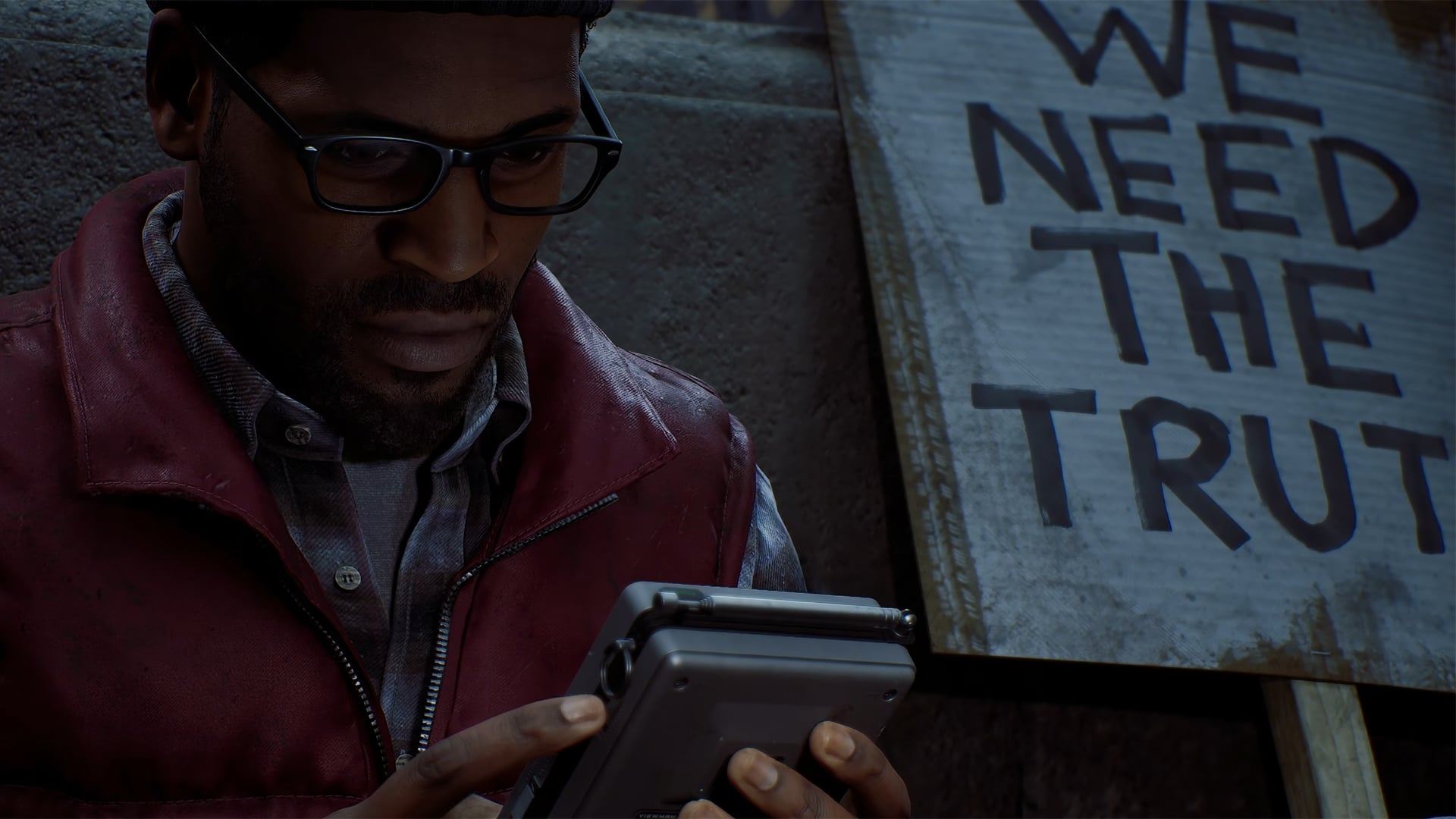
No Code + Annapurna: A Deliberate IP Reframing
Handing Silent Hill: Townfall to No Code and Annapurna Interactive is a tactical decision. Rather than chase blockbuster action horror, Konami is outsourcing experimental narrative design to a studio known for:
- Fragmented storytelling delivered via non-traditional interfaces.
- Minimalist mechanics that weaponize atmosphere over spectacle.
- Tight production scope with a strong thematic throughline.
For the broader #gamedev ecosystem, this collaboration signals that AA-scale psychological horror can coexist with the bigger Silent Hill projects, carving out a space where riskier narrative structures and formal experimentation are tolerated—even expected.
Environmental Puzzles and Layered Storytelling
The activity feed repeatedly nods to environmental puzzles and layered storytelling. That likely translates to:
- Multi-pass environments – Spaces that reconfigure under different signal states (clean vs. corrupted broadcast), encouraging revisits and alternative interpretations.
- Audio-first design – Radio hiss, distorted VO, and spatial audio cues doing as much narrative lifting as visual signposting.
- Fragmentary lore delivery – Silent Hill: Townfall appears to favor short, high-impact narrative fragments over long cutscenes, in line with No Code’s prior work.
This structure suits a shorter, replayable horror experience, where players chase alternate readings of the same events rather than a single 20-hour campaign.
Upcoming Silent Hill Transmission: What to Watch For
Konami has flagged a new Silent Hill Transmission presentation this week, with Silent Hill: Townfall confirmed as a focus point. For developers and genre watchers, key signals to track during the broadcast include:
- Runtime and structure – Is Townfall pitched as an anthology of broadcasts or a single continuous narrative?
- Systemic vs. scripted horror – Any mention of dynamic systems (AI observation, branching states) will clarify how reactive the game is to player behavior.
- Platform and performance targets – Given the heavy use of analog effects and post-processing, optimization details will matter for both console and PC.
Sector Takeaway
Silent Hill: Townfall is emerging as a compact, high-concept psychological horror broadcast rather than a traditional franchise tentpole. For #gamedev teams watching from the sidelines, this project is less about resurrecting Silent Hill’s past and more about stress-testing how far a legacy IP can stretch when filtered through indie-horror design sensibilities.
If No Code sticks the landing, Townfall could become the reference point for how to modernize classic horror through perspective, interface, and meta-observation—without drowning in AAA expectations.
Sources and corrections
This archive entry does not have a verified article-source list. Images and video embeds alone are not evidence for every claim.
Found an error? Request a correction. Include the passage and a supporting source.