Automated archive / Silent Hill: Townfall
Silent Hill: Townfall Locks in First-Person Psychological Warfare
Silent Hill: Townfall has finally broken radio silence with a first-person gameplay reveal that leans hard into analog horror, surveillance, and psychological profiling. Our weekly Sector Intelligence Report dissects the new trailer, the upcoming Silent Hill Transmission, and what it all signals for the future of...
AI-generated summary. This archive article does not have a current recorded source check. Check linked sources before relying on details. Editorial policy
Sector Intelligence Report – Silent Hill: Townfall (Weekly Brief)
Silent Hill: Townfall has shifted from abstract concept to tangible threat. Over the last seven days, Annapurna Interactive and No Code have begun defining the game’s tactical identity: a first-person psychological horror experience framed as a corrupted broadcast, where the player isn’t just exploring Silent Hill—they’re being monitored, recorded, and judged by it.
This report parses the new gameplay trailer, the upcoming Silent Hill Transmission, and what this all signals for the project’s #gamedev trajectory and #indiegame positioning.
First-Person Confirmed: Design Intent Behind the Camera
The new gameplay trailer confirms that Silent Hill: Townfall is fully first-person. That choice is more than aesthetic—it’s a deliberate systems-level decision.
From a game design perspective, first-person in a psychological horror title:
- Tightens information control – No Code can strictly ration what the player sees, weaponizing blind corners, occluded spaces, and off-screen audio cues.
- Amplifies subjectivity – The player’s view becomes the unreliable narrator. Visual glitches, perspective shifts, and environmental inconsistencies can be used as mechanics, not just set dressing.
- Enables intimate environmental storytelling – Close-up interaction with analog tech, notes, and CRT interfaces fits No Code’s established strengths from Stories Untold and Observation.
For Silent Hill as a brand, this is a notable pivot away from the classic third-person, over-the-shoulder framing. It pushes Townfall into a design space closer to Amnesia or Layers of Fear, but with the added pressure of Silent Hill canon and expectations.
Broadcast Horror: CRT Visuals, Analog Tech, and Surveillance Themes
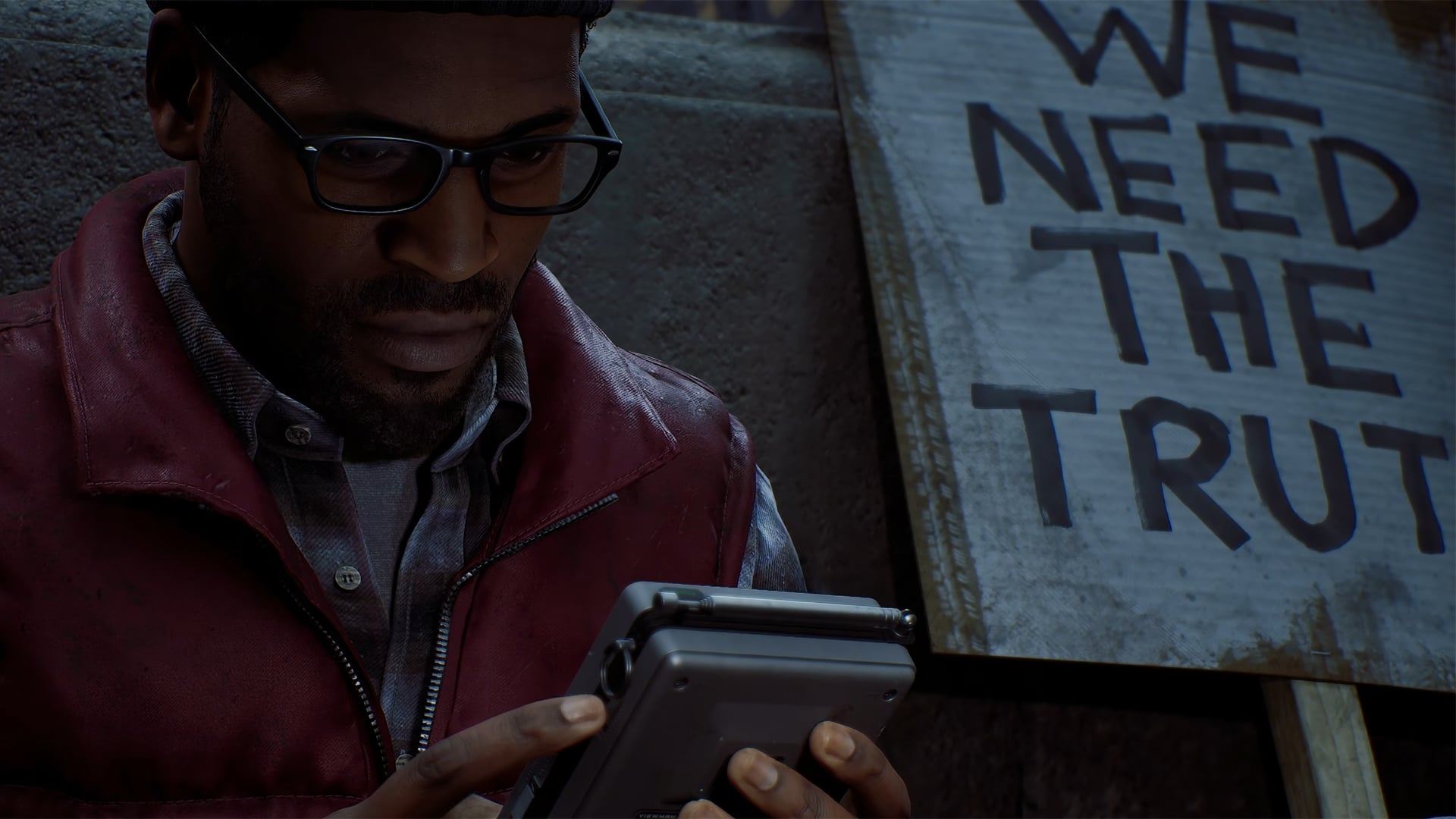
The activity feed repeatedly emphasizes CRT distortion, analog interfaces, and the sensation of being watched. That’s not random flavor—it’s the core thematic and mechanical spine we should expect from Silent Hill: Townfall.
Key signals from the trailer description and coverage:
1. CRT & Corrupted Evidence Aesthetic
The game is framed visually like “corrupted evidence from a place that shouldn’t exist.” This implies:
- Diegetic UI – Menus, prompts, and feedback may be mediated through in-world screens, monitors, or broadcast overlays.
- Compression as horror – Artifacting, static, and desync can convey narrative information, not just style. Expect glitching to hint at alternate timelines, suppressed memories, or hidden layers in a scene.
- Replayable scenes – The “evidence” framing opens the door to rewatching or re-experiencing events from different angles, a potential puzzle and narrative mechanic.
2. Being Watched, Recorded, Judged
Multiple summaries call out the feeling that the town is “quietly judging your every move” and that the player is being “watched, recorded, and judged by something on the other side of the screen.” In #gamedev terms, this strongly suggests:
- Systemic tracking of player behavior – Dialogue, endings, or world states may shift based on what you inspect, ignore, or run from.
- Meta-layer feedback – The game could break the fourth wall, referencing your play style, time spent idle, or even save/load patterns.
- Moral and psychological profiling – Instead of traditional morality meters, Townfall may build a psychological profile that subtly reconfigures encounters and story beats.
This aligns with No Code’s prior work, where interfaces and observation systems are not just presentation, but the core of the experience.
Narrative Texture: Cryptic Voices, Environmental Puzzles, and Layered Storytelling
Coverage from the week frames Townfall as opting out of cheap jump scares in favor of “layered storytelling” and “environmental puzzles.” That’s a critical design declaration.
We can infer several likely pillars:
- Voice-driven ambiguity – Cryptic narration and disembodied voices can serve as unreliable guides, conflicting objectives, or manifestations of guilt.
- Environmental puzzle design – Expect puzzles rooted in spatial awareness, analog devices (dials, tuners, tapes), and signal decoding rather than inventory-combination tropes.
- Fragmented narrative structure – Short, self-contained vignettes or “broadcast segments” may assemble into a broader psychological profile of the protagonist—and of the town itself.
For Silent Hill: Townfall, this positions the game closer to an interactive psychological case file than a straightforward monster-driven survival horror.
Silent Hill Transmission: Next Data Drop on the Horizon
Konami has confirmed that an upcoming Silent Hill Transmission will deliver fresh intel on Silent Hill: Townfall. Strategically, this presentation is pivotal:
- Messaging calibration – The first trailer established tone; the Transmission must now clarify gameplay structure, pacing, and how Townfall fits into the broader Silent Hill ecosystem.
- Trust-building with legacy fans – After years of franchise dormancy and misfires, the Transmission is Konami’s chance to show that handing the IP to No Code and Annapurna is a considered, long-term bet, not a one-off experiment.
- #indiegame meets legacy IP – As an Annapurna-backed project from an established but still comparatively small studio, Townfall is a test case for how indie-flavored psychological horror can carry a heavyweight horror brand.
From a development update standpoint, the Transmission should reveal whether Townfall is leaning more toward a tightly scoped, replayable narrative experience or a longer-form psychological campaign.
Strategic Outlook: Townfall’s Place in the Modern Horror Landscape
Silent Hill: Townfall is positioning itself at the intersection of:
- Legacy horror IP with heavy psychological baggage and fan expectation.
- Experimental interface-driven design rooted in analog tech, CRT presentation, and broadcast framing.
- Player-surveillance systems that turn play behavior into narrative fuel.
If No Code can fuse Silent Hill’s core themes—guilt, repression, cyclical suffering—with their trademark interface experimentation, Townfall could stand out not just as a franchise revival, but as a design-forward case study in modern psychological horror.
For now, the sector verdict is cautious optimism: the first-person reveal, the broadcast horror aesthetic, and the emphasis on being watched rather than just scared all point toward a project that understands both the promise and the pressure of the Silent Hill name.
Stay tuned to Breach.gg for post-Transmission debriefs, deeper #gamedev breakdowns, and continued coverage as Silent Hill: Townfall’s signal cuts further through the static.
Sources and corrections
This archive entry does not have a verified article-source list. Images and video embeds alone are not evidence for every claim.
Found an error? Request a correction. Include the passage and a supporting source.