Back to Reports
Sector Intel
April 1, 2026
Sector Intelligence Report: Saros Turns Co‑Op Into Orbital‑Precision Chess on PS5
Sector Overview: Saros Tightens Its Orbit
Housemarque’s saros operation is crystallizing into one of the most tactically demanding co‑op experiences on PS5. Across this week’s intel—hands-on reports, a 4K vertical slice, and a deep-dive PlayStation Podcast segment—the picture is clear: Saros isn’t chasing spectacle alone. It’s weaponizing precision, communication, and environmental pressure into a tightly engineered #gamedev showcase.
In a market crowded with drop‑in shooters, Saros is instead positioning itself as orbital‑precision co‑op: small team, dense decision space, and high consequence for every misstep. This isn’t an #indiegame trying to mimic AAA scale; it’s Housemarque doubling down on readable chaos and systemic clarity.
Combat Telemetry: Bullet Ballet With Surgical Constraints
The 15‑minute 4K/60 vertical slice offers the cleanest combat telemetry we’ve seen yet. Encounters unfold as layered equations rather than simple shootouts:
Pacing and Pressure
- Sustained contact over spike encounters: Combat rarely devolves into mindless waves. Instead, pressure ramps via overlapping threat vectors—enemy types, cooldowns, and environmental hazards stacking into a continuous survival equation.
- Readable ballistic chaos: In classic Housemarque fashion, projectile density is high, but silhouettes, color coding, and telegraphs remain clean. Even at 60fps, target prioritization is legible, which is critical for co‑op shot‑calling.
Systems and Gunfeel
- Precision gunplay: Recoil profiles and hit reactions in the slice suggest a focus on tight, responsive shooting rather than floaty arcade feel. This aligns with the studio’s shift from pure bullet‑hell to hybrid tactical gunplay.
- Cooldown‑driven decision making: Abilities and dashes appear tuned as finite, high‑impact tools. Misusing a dash or overcommitting an ability is less a minor error and more a potential team wipe.
Co‑Op Architecture: Two‑Operator Infiltration, Zero Slack
The biggest structural revelation this week is Saros’ strict two‑operator model. This is not casual matchmaking fodder; it’s closer to a tactical duet.
Orbital‑Precision Level Design
- Puzzle‑grade layouts: Levels are constructed to force interdependence—lines of sight, flanking lanes, and elevation changes demand constant cross‑coverage.
- No spectator roles: There’s no room for a backpack player. Each operator is a critical node in the tactical circuit; one mispositioned dash can compromise both agents.
Communication as a Core Mechanic
- Synchronized movement and resource use: The preview coverage paints Saros as a game where timing a reload or ability with your partner is as important as raw aim.
- Failure as shared authorship: Wipes feel systemic, not random—an emergent result of misaligned decisions. That’s key for long‑term co‑op retention and replayability.
// Sector Intel: Transmitting Gameplay footage from the field: Design philosophy briefing from Housemarque leadership
Design Philosophy: Housemarque’s Post‑Returnal Playbook
The PlayStation Podcast interview with Creative Director Gregory Louden functions as a design manifesto for saros.
From Bullet Hell to Tactical Hell
- Structure with intent: Louden outlines a clear move toward more authored mission structures. Instead of roguelike volatility, Saros leans on tightly tuned scenarios where the designers control tempo and stakes.
- Hostile biosphere as system, not backdrop: The alien world isn’t just art direction. Environmental danger, sightlines, and traversal routes are all folded into the combat calculus.
PS5‑First Thinking
- Performance as design affordance: Locking to 4K/60 in the vertical slice isn’t just a flex; it’s required for the visual clarity and input responsiveness their layered systems demand.
- Controller fidelity: While details are still emerging, the implication is clear: haptics and triggers will likely reinforce information flow—ammo state, damage feedback, and threat proximity.
Strategic Outlook: Where Saros Sits in the Current Field
From a #gamedev and market‑positioning standpoint, Saros is threading an interesting needle:
- Niche: High‑discipline co‑op extraction: Less looter, more precision raid. It aims at players who enjoy learning encounter language and iterating on team tactics.
- Risk: Onboarding and friction: The same systems that make Saros compelling could alienate solo‑first or casual co‑op audiences if onboarding isn’t surgical.
- Upside: Streamable mastery curve: The clarity of its systems and the brutality of its fail states could make it a strong candidate for creator‑driven meta exploration and high‑skill showcases.
Closing Signal
This week’s activity suggests Saros is well past the “promising prototype” phase and into the “aggressively tuned experience” zone. If Housemarque can maintain this balance of clarity, punishment, and co‑op interdependence, Saros could become a reference point for how to design tightly scoped, high‑skill co‑op on PS5.
For developers watching from the perimeter, Saros is shaping up as a live case study in disciplined scope, systemic readability, and the art of making two players feel indispensable to each other.
Visual Intel Captured
Subject Sector

Saros
Studio Galactic
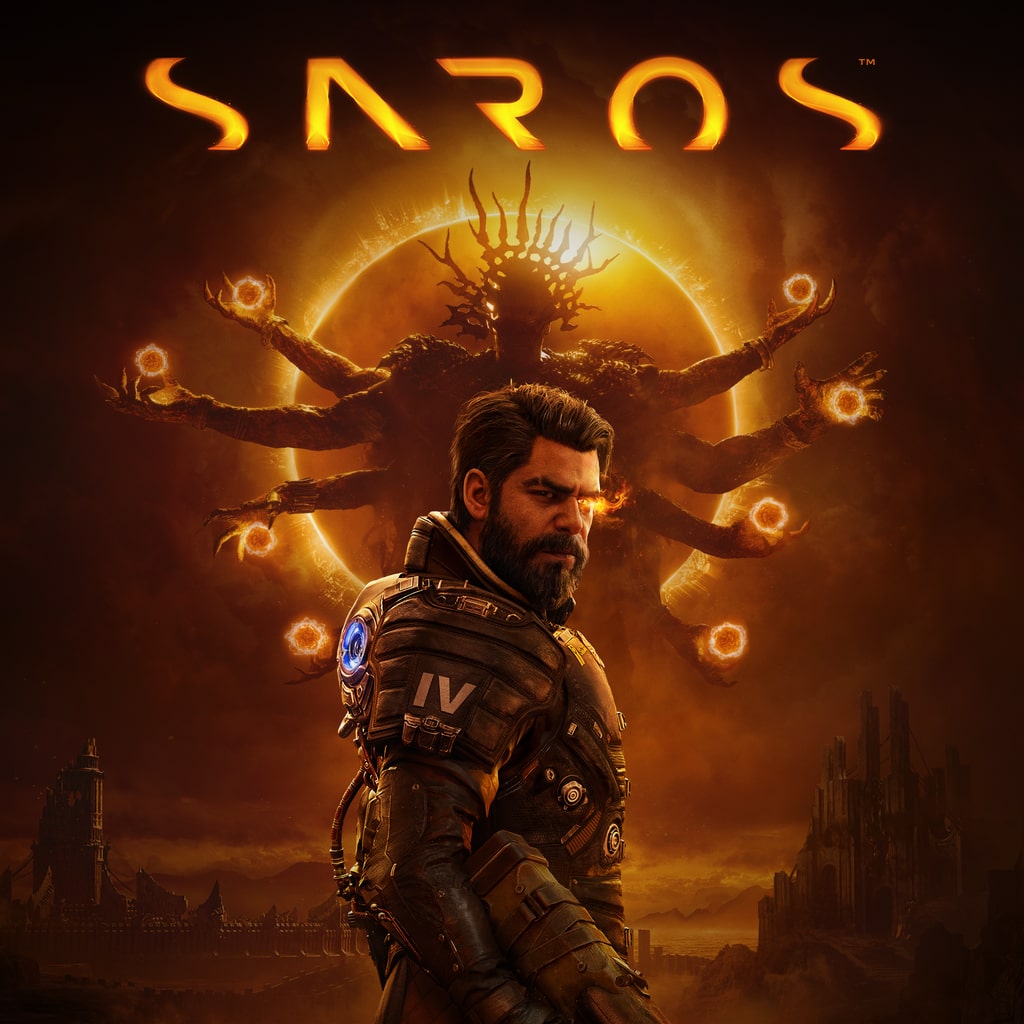
Venture into the treacherous expanse of space in 'Saros', the co-op extraction shooter crafted with the breathtaking realism of Unreal Engine 5. In this gripping survival experience by [Full Company Name], players must unite and navigate a perilous alien world, meticulously balancing resource management with modular base building. Dive deep into a sci-fi realm where every mission is a heart-pounding race against time and hostile environments, promising a relentless tactical intensity.
Engage Game PageKeywords Cache
Saros
saros gameplay
saros PS5
Housemarque
PlayStation 5 exclusive
co-op extraction shooter
tactical co-op game
4K 60fps gameplay
game design analysis
gamedev
indiegame
development update
PlayStation Podcast
sci-fi action game
hostile alien world