Automated archive / Romeo is a Dead Man
‘Romeo is a Dead Man’ Enters Controlled Chaos Phase
Grasshopper’s Romeo is a Dead Man has shifted from enigmatic teaser to fully armed fever dream, blending time-warped crime drama with calculated, physics-driven combat. This week’s intel reveals a legacy-defining gamble built on branching timelines, systemic weirdness, and unapologetic Suda51 chaos.
AI-generated summary. This archive article does not have a current recorded source check. Check linked sources before relying on details. Editorial policy
Sector Overview: From Fever Dream to Full Deployment
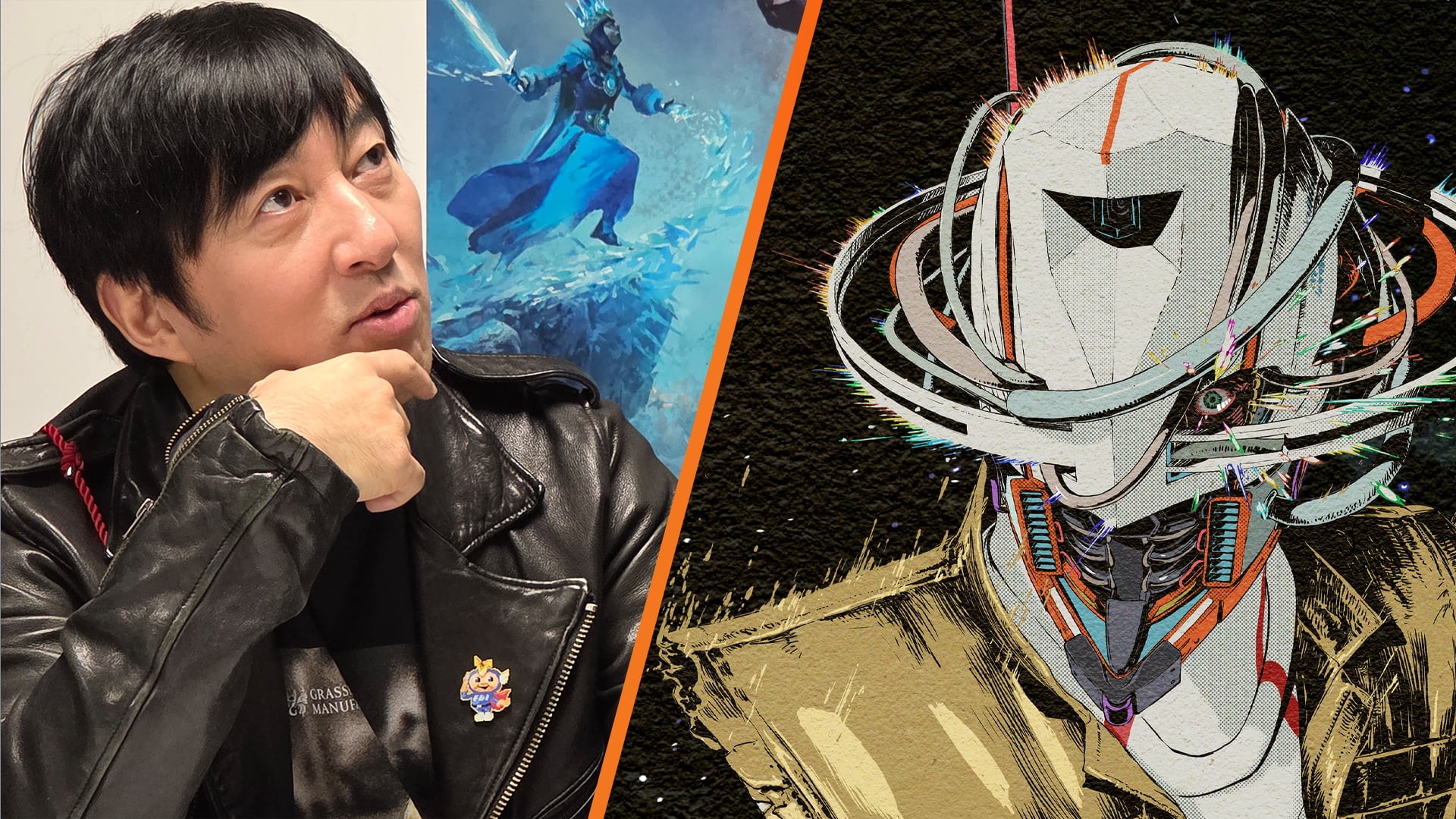
The last seven days have pushed romeo is a dead man from enigmatic Suda51 experiment to fully weaponized release candidate. Grasshopper Manufacture is openly framing the project as a legacy play, not just another stylish oddity, and the intel stream backs that up: combat guides, puzzle breakdowns, platform confirmations, and early reviews are all converging into a clear picture of a game built around controlled chaos. For #gamedev watchers and #indiegame fans, this is the week Romeo stopped being a rumor and became a live-fire test of what modern Grasshopper actually stands for.
Creative Intent: Legacy, Not Survival
Suda51 is positioning Romeo is a Dead Man as a pivot point for Grasshopper’s future. In intercepted transmissions, he talks less about sales pressure and more about legacy—how this game needs to evolve the studio’s punk DNA without sanding off its edges. The touchstones he cites are telling: pro wrestling’s showmanship, dramatic entrances, and narrative heel-turns.
That philosophy bleeds directly into the design: bold character introductions, finishing-move-style set pieces, and story beats that feel like staged main events. The result is a bullet-punk love story that leans hard into persona and spectacle rather than safe, market-tested structure.
Temporal Chaos: Space-Time Police and Branching Consequences
Narratively, Romeo is a Dead Man is doubling down on Suda’s love of fragmentation. You’re cast as FBI Space-Time Police Special Agent Romeo, chasing both space-time criminals and a missing girlfriend through warped timelines. Recent transmissions highlight:
- Branching timelines where death clearly isn’t the end, but another fork in causality.
- Bizarre villains and conspiracies that feel ripped from a corrupted crime drama feed.
- A neon-soaked metropolis that plays like a corrupt server refusing to shut down.
This isn’t just narrative weirdness for its own sake; it’s a structural gambit. Choices, failures, and even how you die appear to feed back into the story, reinforcing the theme that love, crime, and consequence are all entangled in the same glitchy timeline.
Combat Intelligence: Calculated Brutality Over Button Mashing
One of the most tangible shifts this week is the tactical framing of combat. Field guides emphasize that fights in romeo is a dead man are closer to a physics experiment in survival than a straightforward brawler. Six core pillars stand out:
- Spacing and positioning dictate whether you control the encounter or get erased by a single heavy swing.
- Stamina management punishes panic; over-committing leaves you open to brutal counter-hits.
- Dodge timing and animation reads are critical, rewarding players who treat enemies like telegraphed puzzles rather than damage sponges.
- Attack chains and openings matter more than raw aggression—calm, calculated brutality trumps button-mashing.
For #gamedev analysts, this signals a deliberate design choice: the combat loop is tuned to encourage learning and mastery rather than power fantasy autopilot.
Systems & Puzzles: Bastards, Resonators, and Clockwork Secrets
Beyond the gunplay and blades, the week’s transmissions reveal a dense layer of systems and environmental puzzles:
- Bastards System: Guides now outline how to unlock and fuse all 21 types of “Bastards,” hinting at a deep companion or modifier system that can radically alter playstyles. This is Grasshopper experimenting with buildcraft and meta-strategy.
- Subspace & Green Resonators: The mysterious green Resonator balls in Subspace introduce an almost abstract layer of navigation and progression. They’re not just collectibles; they appear to be keys to reading and rewriting the game’s internal logic.
- Clock Tower Enigma: A major puzzle hub built around cryptic codes and layered traversal, the Clock Tower is shaping up as a thematic centerpiece—time, causality, and architecture all colliding.
- City Hall Safe: A more grounded but still stylized combination puzzle, tying narrative secrets to a classic heist-style objective.
These systems collectively push romeo is a dead man beyond a linear action title, into something closer to a surreal immersive puzzle box.
Visual & Platform Status: From PS5 Pro to Switch 2
A fresh PS5 Pro first-look transmission showcases the opening 19 minutes: high-contrast neon, grimy noir corners, and UI that feels like it crashed out of a dead MMO. The visual identity is deliberately unstable—part cyber-noir, part late-night cable crime flick, part broken VHS tape.
On the deployment side, the signal is clear:
- Physical release is now in the works, giving this formerly cult-leaning project a tangible retail footprint.
- A Switch 2 edition is confirmed, indicating confidence in scalability and a push to get the game in front of a broader, more portable audience.
For an #indiegame-flavored Grasshopper production, that’s a notable escalation in ambition.
Early Critical Read: Stealth, Comedy, and Jank
The first review pass describes Romeo is a Dead Man as an indie stealth comedy welded to lethal lovers’ drama. You’re sneaking, stabbing, and sabotaging your way through a low-poly, noir-ish city where romantic entanglements routinely end in body bags.
Key takeaways from the critique:
- Stealth systems are inventive but occasionally inconsistent, rewarding creativity while exposing some rough AI edges.
- Dark humor lands often, leaning into absurdity without completely undermining the emotional stakes.
- Janky charm is very much part of the package—this is not a frictionless AAA experience, but the weirdness is often where the personality lives.
In Vulcan terms, the verdict is: fascinating, but not entirely logical—a description that might as well be printed on the box.
Strategic Outlook: A High-Risk, High-Identity Play
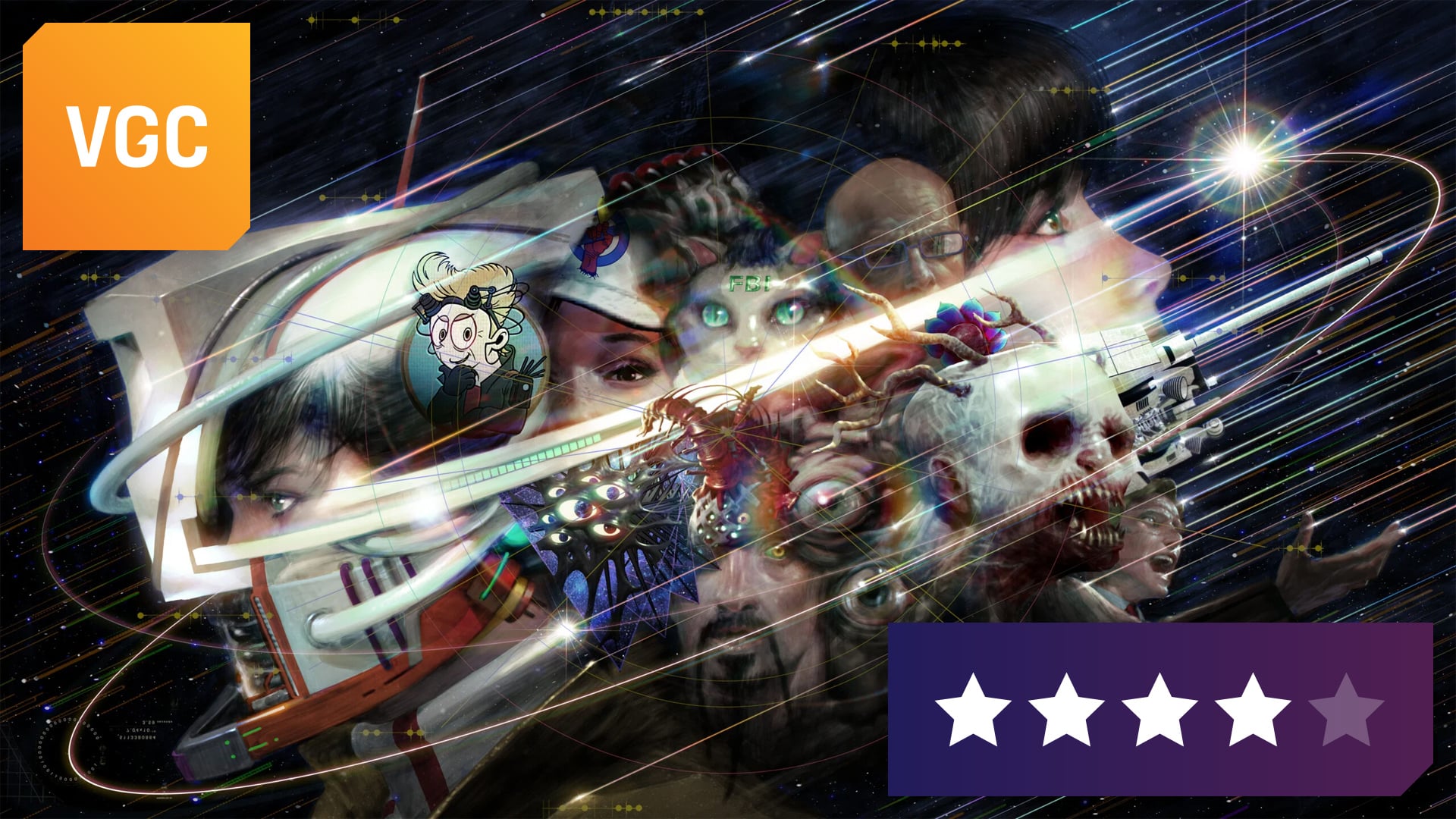
From a sector intelligence standpoint, romeo is a dead man is a high-risk, high-identity move. It doubles down on Suda51’s trademark chaos while layering in more systemic depth—branching timelines, buildcraft via Bastards, spatial puzzles, and combat that demands discipline.
For players, that means a grim, cinematic ride through a bloodstained cityscape where experimentation is rewarded and coherence is sometimes optional. For #gamedev observers, it’s a live case study in how a storied studio tries to evolve without losing the weirdness that made it matter in the first place.
This week’s data suggests one thing above all: Grasshopper isn’t chasing the middle. Romeo is a Dead Man is a statement piece—messy, ambitious, and unmistakably theirs.
Sources and corrections
This archive entry does not have a verified article-source list. Images and video embeds alone are not evidence for every claim.
Found an error? Request a correction. Include the passage and a supporting source.