Automated archive / Romeo is a Dead Man
‘Romeo is a Dead Man’ Enters Controlled Chaos Phase
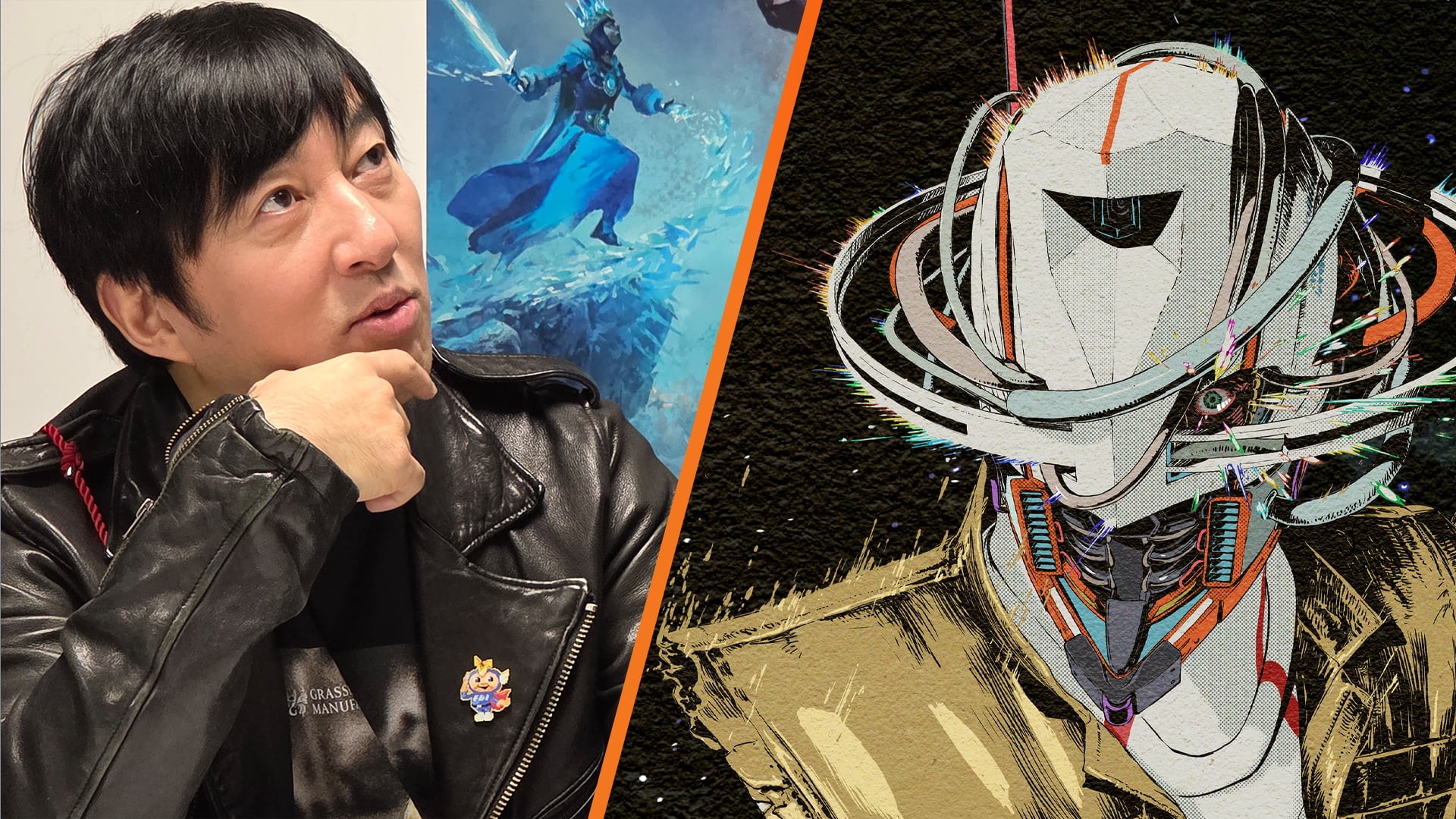
Romeo is a Dead Man has shifted from quirky curiosity to sector bellwether in a single week, with new intel revealing dense combat systems, puzzle layers, and a legacy-defining push from Grasshopper Manufacture. Controlled chaos isn’t just the tagline—it’s the production philosophy driving this bullet‑punk,...
AI-generated summary. This archive article does not have a current recorded source check. Check linked sources before relying on details. Editorial policy
Sector Snapshot: From Time‑Twisted Pitch to Platform Power Play
The last seven days have pushed romeo is a dead man from "interesting Suda51 experiment" into full‑blown sector event. Grasshopper Manufacture has locked in a launch date, confirmed physical editions and a Switch 2 upgrade, and flooded the net with transmissions that read like design documents masquerading as marketing. For #gamedev watchers and #indiegame fans, this is the clearest signal yet that Romeo isn’t just another stylish curiosity—it’s a deliberate bid to redefine Grasshopper’s future.
At the narrative core, we’ve got FBI Space‑Time Police Special Agent Romeo chasing space‑time criminals and a missing girlfriend across warped timelines. Around that spine, the studio is layering a cocktail of bullet‑punk noir, surreal comedy, and branching consequences, all presented as a kind of digital fever dream. The positioning is clear: this is the studio’s next identity test, not just its next SKU.
Design Intelligence: Controlled Chaos as a Production Philosophy
The repeated phrase across transmissions is “controlled chaos”—and the week’s intel finally sketches what that means in practice.
Combat: Physics‑Driven Brutality, Not Button Mashing
The combat briefing frames encounters as a “physics experiment in applied survival”, not a power fantasy. Six core combat tips emphasize:
- Spacing and stamina management over raw aggression.
- Timing dodges and reading telegraphed animations.
- Exploiting openings instead of mashing inputs.
This suggests a system tuned around high risk, high clarity: readable enemy tells, punishing mistakes, and a strong feedback loop that rewards measured play. It’s a notable pivot from some of Grasshopper’s more mash‑friendly past work and aligns with modern expectations around deliberate, animation‑driven combat.
Stealth & Systems: Noir Assassinations with Janky Charm
The early review intel paints a parallel track: a stealth‑comedy layer that plays like a low‑poly noir hitman internship. You’re sneaking, sabotaging, and improvising kills in a city where love triangles end in body bags. The report flags rough edges and jank, but also praises the experimental assassinations and dark humor.
That tension—between ambition and uneven execution—is classic Grasshopper. From a #gamedev perspective, it’s the cost of chasing unconventional systems rather than sanding everything down to AAA smoothness.
Worldbuilding: Bullet‑Punk Love Story in a Broken Server
Multiple transmissions converge on a single aesthetic thesis:
- A neon‑soaked revenge spiral through a corrupt metropolis.
- Story‑driven choices that decide who walks away when the smoke clears.
- A world described as a “glitch‑scarred fever dream” and a “broken server still stubbornly online.”
This isn’t just set dressing; it’s a cohesive metaphor for instability—timelines, morality, even the UI feel like they could fracture at any moment. That thematic volatility is what lets Suda lean into his long‑standing influences from pro wrestling showmanship: big entrances, wild personas, and narrative heel turns framed as mechanical twists.
Watch: Transmitting Gameplay footage from the field: First 19 minutes of PS5 Pro code
Puzzle & Progression Briefing: Bastards, Resonators, and Municipal Mysteries
Under the hood, this week’s guides reveal a surprisingly dense systems lattice.
Bastards: 21 Builds of Weaponized Identity
The intel on “Mastering the Bastards” confirms 21 unique Bastard types, effectively a modular toolkit for playstyle expression. From a design standpoint, this is where replayability and meta‑play will likely crystallize:
- Each Bastard type appears to carry distinct behaviors and synergies.
- The “fusion secrets” language implies crafting or combinatorial upgrades, not static unlocks.
For competitive theorycrafters and content creators, that’s fertile ground: tier lists, synergy breakdowns, and build archetypes will extend the game’s runway well past credits.
Environmental Puzzles: City Hall, Clock Tower, and Subspace
Three separate transmissions outline a puzzle triad:
- City Hall safe – a combination puzzle that doubles as narrative bait, hiding key lore or rewards.
- Clock Tower enigma – cryptic codes that gate progression, reinforcing the time‑twist theme.
- Green Resonators in Subspace – mechanical anchors that likely control traversal, gating, or resource routing in an abstracted layer of the world.
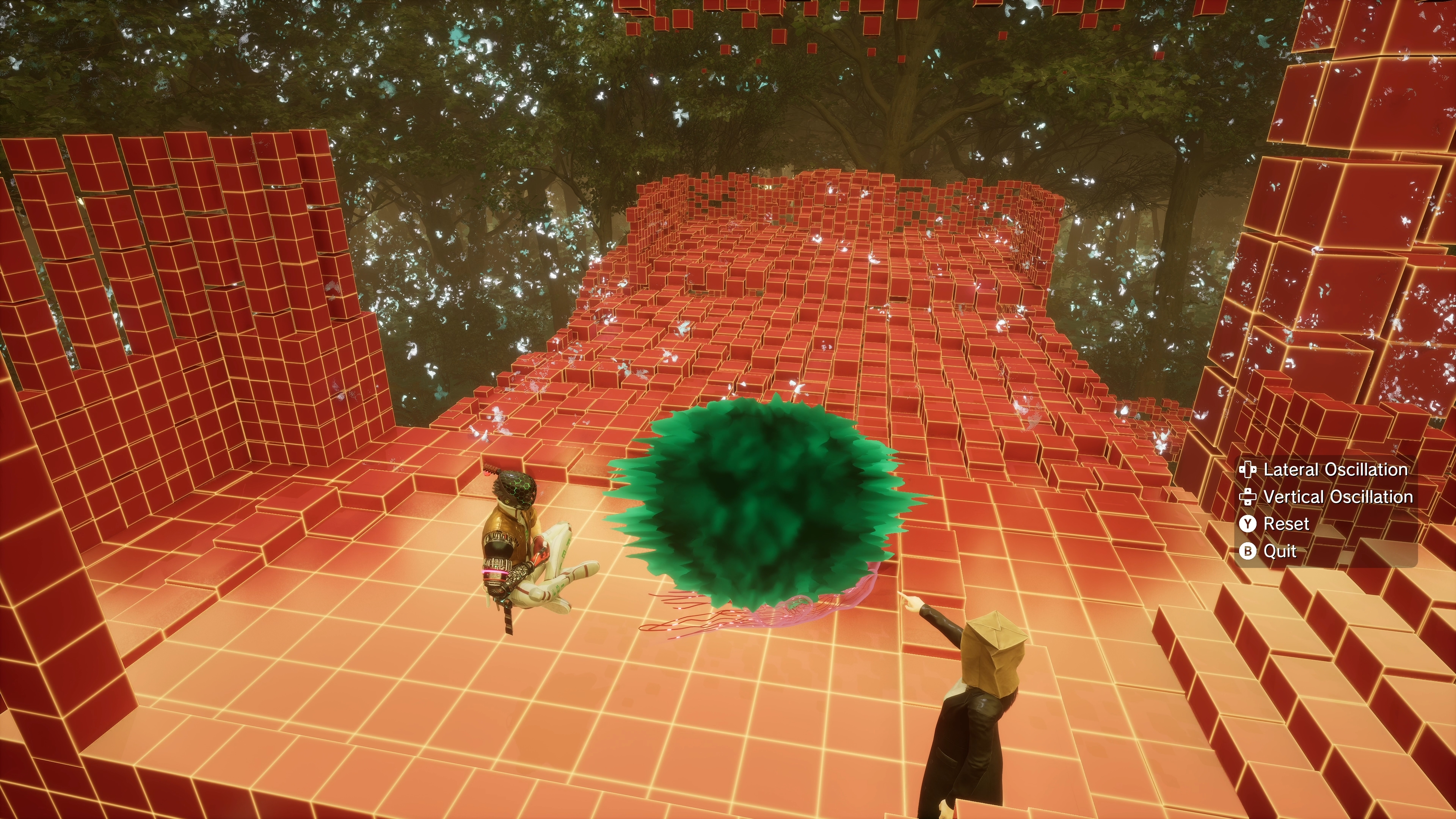
Collectively, these suggest a design intent to slow the player down between bouts of chaos, forcing reorientation and reflection. For #gamedev teams, this is a textbook attempt to modulate pacing: spike the player with intensity, then cool them with deliberate problem‑solving.
Platform & Production Outlook: Physical, Next‑Gen, and Legacy Stakes
On the business front, the most telling update is the physical release and Switch 2 edition. Grasshopper and its partners clearly believe Romeo can live beyond a niche digital footprint. A Switch 2 build in particular signals confidence in both:
- Scalability of the tech (from PS5 Pro down to a hybrid handheld).
- Longevity of the IP as a cult‑favorite that benefits from word‑of‑mouth and resale circulation.
Suda’s own comments frame romeo is a dead man as a legacy project—less about studio survival, more about staking out what the next era of Grasshopper looks like. The pro‑wrestling influence he cites—bombastic characters, narrative swerves, and “finishing moves for the soul”—tracks directly into this game’s tonal aggression.
From a market‑watch perspective, that makes Romeo a bellwether title: its performance will inform how far Grasshopper can keep pushing into experimental, auteur‑driven territory while still justifying multi‑platform investment.
Sector Forecast: High Volatility, High Cultural Upside
The week’s activity paints romeo is a dead man as a high‑variance bet. The review chatter already hints at janky charm and uneven logic, but the same reports also underline a rare degree of personality in its systems, pacing, and worldbuilding.
If the combat depth holds, the Bastard system lands, and the narrative chaos pays off with meaningful branching, Romeo is poised to become the next cult‑defining Grasshopper title—the one future projects will be measured against.
For now, the signal is clear: this isn’t just another release window entry. It’s a live case study in how a veteran studio weaponizes its own weirdness—and dares the rest of the sector to keep up.
Sources and corrections
This archive entry does not have a verified article-source list. Images and video embeds alone are not evidence for every claim.
Found an error? Request a correction. Include the passage and a supporting source.