Automated archive / Romeo is a Dead Man
Inside Suda51’s Temporal Killbox – Mapping the Chaos of ‘Romeo is a Dead Man’
romeo is a dead man is no longer just “the next Suda51 oddity” – it’s a live-fire experiment in controlled chaos, legacy pressure, and time-twisting action design. From physics-first combat to branching timelines and 21 flavors of Bastards, this is the Grasshopper project the rest of the sector needs to study, not...
AI-generated summary. This archive article does not have a current recorded source check. Check linked sources before relying on details. Editorial policy
Sector Briefing: A Time-Warped Statement Piece, Not Just Another Oddity
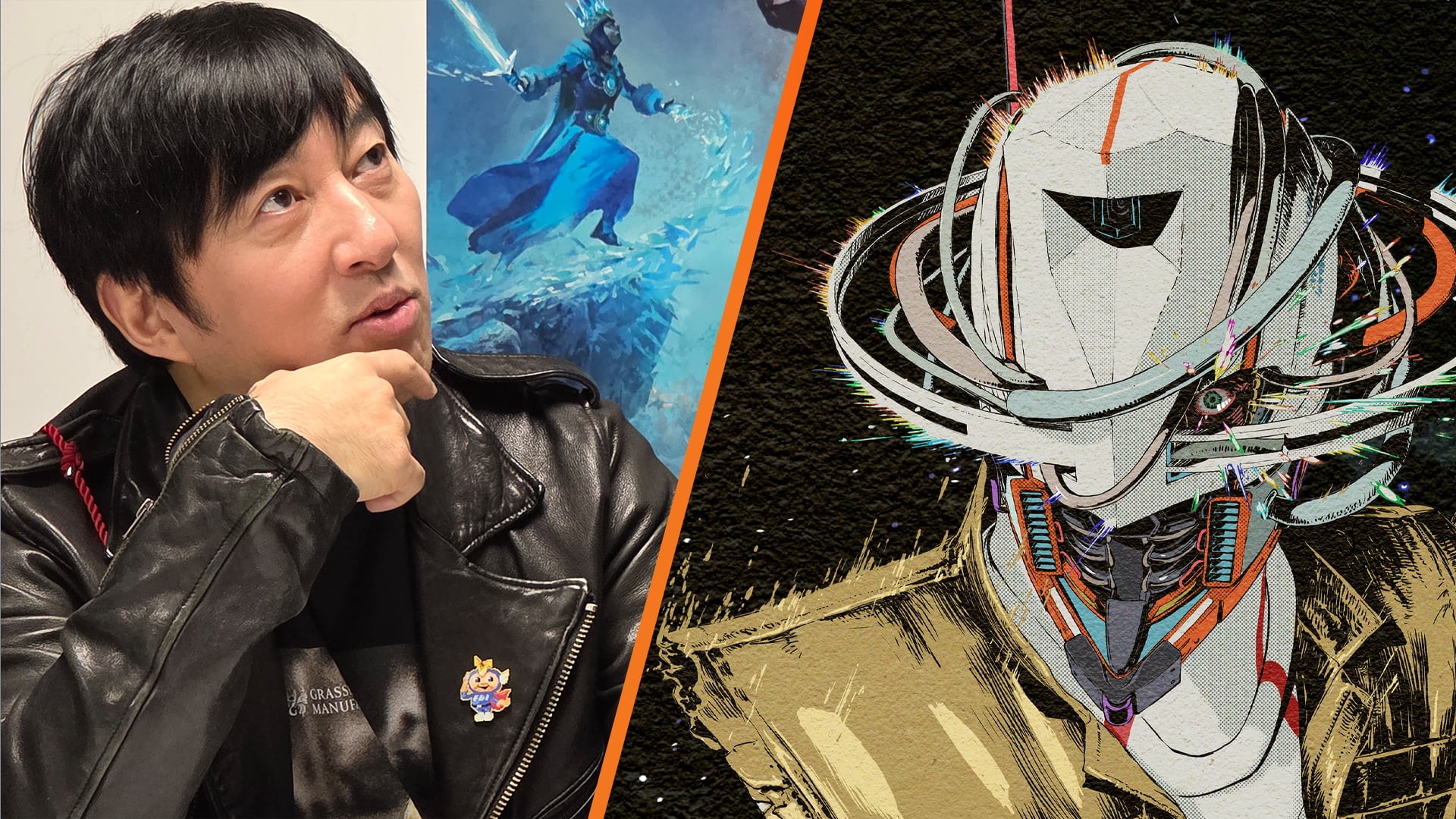
romeo is a dead man isn’t quietly entering the market; it’s breaching it. In the span of a single week, Grasshopper Manufacture has shifted the narrative from “another Suda51 trip” to “potential legacy-defining pivot,” framing the game as a high-stakes experiment in style, narrative structure, and mechanical ambition. The core pitch is sharp: FBI Space-Time Police Special Agent Romeo chases temporal criminals and a missing girlfriend through warped causality, where death is less a fail state and more a narrative detour.
For #gamedev watchers, the key intel is Suda51’s own framing: this is about legacy, not survival. He’s explicitly tying the project to the studio’s punk DNA—showmanship, bold entrances, and emotional “finishing moves”—while testing how far that identity can stretch without collapsing into self-parody. That’s a crucial tension for any #indiegame or AA studio trying to scale its voice without sanding off its edges.
Creative Doctrine: Controlled Chaos as Design Philosophy
Legacy Pressure and Pro-Wrestling Storycraft
The intercepted transmission from Grasshopper reads like a mission statement. Suda51 talks about mentors from pro wrestling, where persona, crowd psychology, and heel-face turns drive engagement more than pure athleticism. That influence is visible in how romeo is a dead man is being positioned:
- Bold character entrances: Temporal villains and allies are teased as set-piece personalities, not just combat encounters.
- Narrative swerves: Branching timelines and surreal twists are highlighted as the core loop, not side garnish.
- Spectacle over safety: The team is leaning into “controlled chaos” instead of chasing polished, mainstream homogeneity.
For developers, this is a live case study in building narrative systems that behave like wrestling storylines—less about canonical truth, more about how each “match” (run, timeline, or branch) feels in the moment.
Branching Timelines, Death as Design Tool
The latest pre-launch trailer teases a world where death isn’t the end of the story. Instead, it appears to be a routing mechanism—shunting Romeo into alternate branches, reconfigured cause-and-effect chains, and new character states. This aligns with a broader #gamedev trend: using failure as progression, not punishment.
Expect:
- Temporal recontextualization: Revisiting locations and characters in different eras or altered states.
- Villains as recurring variables: Bizarre antagonists that mutate across timelines rather than disappear on defeat.
- Meta-narrative experimentation: The “space-time police” framing gives Grasshopper license to bend internal logic without fully breaking player trust.
Field Intel: Combat, Stealth, and Systemic Oddities
Combat: Physics-Driven Survival, Not Button-Mashing
The tactical brief on combat paints romeo is a dead man as a game where spacing, stamina, and timing trump raw aggression. Tips circulating through the community emphasize:
- Reading attack animations instead of reacting to UI tells.
- Stamina as a hard limiter, forcing players to commit to short, efficient attack chains.
- Dodge timing as a survival skill, not an optional flourish.
This positions combat closer to a physics-informed survival brawl than a pure character-action power fantasy. For designers, it signals Grasshopper’s interest in marrying their trademark style with more grounded, timing-based systems—potentially broadening the game’s appeal without abandoning its weirdness.
Stealth and Noir Comedy: The Indie Counterpoint
A parallel intel stream describes “Romeo is a Dead Man” as an indie stealth comedy set in a low-poly noir city, where romance and assassination intersect. Whether this is a companion mode, a narrative side strand, or a separate production under the same banner, the design DNA is consistent:
- Janky-but-charming stealth systems that reward experimentation over perfection.
- Dark humor orbiting lethal lovers’ drama and botched hits.
- Low-poly stylization that reads as deliberate aesthetic, not budget compromise.
If this is indeed part of the same universe, Grasshopper may be piloting a multi-tonal structure: high-concept sci-fi shooter on one axis, scrappy stealth-comedy on the other. That’s risky—but very on-brand.
Systems Under the Microscope: Bastards, Puzzles, and Subspace
The Bastards: 21 Flavors of Chaos
The “Bastards” system—21 unlockable types—reads like a modular toolkit for chaos. While specifics remain classified, the messaging implies:
- Collectible or fusable entities that augment combat, traversal, or meta-progression.
- Build experimentation as a core loop, encouraging players to test synergies rather than lock into a single meta.
- Long-tail engagement via completionist hooks and high-level optimization.
From a #gamedev standpoint, this is a smart hedge: systemic depth that can sustain players beyond the initial narrative shock value.
Environmental Puzzles: City Hall, Clock Towers, and Resonators
Three distinct puzzle clusters have surfaced:
- City Hall safe: A combination puzzle that likely folds into narrative or high-value rewards.
- Clock Tower enigma: Time-themed riddles that dovetail with the broader causality motif.
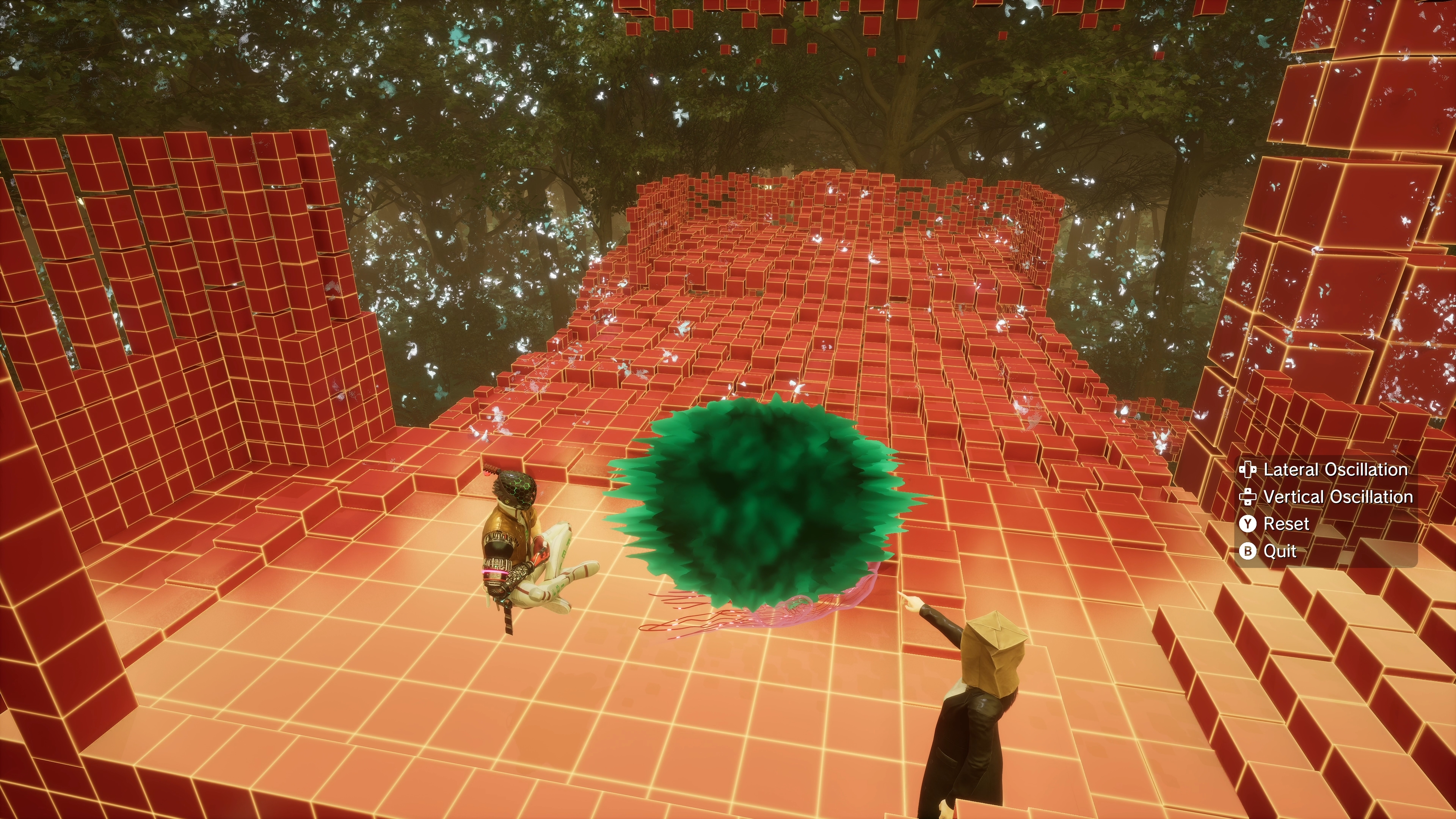
- Green Resonator balls in Subspace: Abstract navigation and decoding challenges in a liminal, non-physical layer.
These elements suggest the team is deliberately breaking up combat pacing with investigation and puzzle-solving, reinforcing the time and space manipulation theme at a mechanical level, not just in cutscenes.
Platform Readiness and Visual Identity
The first 19 minutes captured on PS5 Pro show a game that leans into stylized clarity over photorealism. Key observations:
- Readable silhouettes and UI to support chaotic combat and timeline shifts.
- High-contrast color language to differentiate temporal states, threat levels, and puzzle layers.
- Stable performance envelope (based on early footage) that keeps the spectacle legible even when the narrative goes off the rails.
For the broader #indiegame and AA sector, romeo is a dead man is a reminder that visual identity is often about coherence more than tech flex—especially when your narrative is intentionally unstable.
Strategic Outlook: Why This Matters Beyond Grasshopper
romeo is a dead man is shaping up as a litmus test for whether a studio known for cult hits can convert its eccentricity into a coherent, modern design statement. If the “controlled chaos” holds—if combat, puzzles, Bastards, and branching timelines all feed a single emotional throughline—this could become a reference point for:
- How to evolve a punk studio identity without going generic.
- How to use failure, death, and time loops as progression tools.
- How to balance spectacle, systems depth, and narrative weirdness in one package.
If it doesn’t hold, the game may still land as a fascinating, flawed case study—a live demonstration of what happens when ambition outpaces structure. Either way, romeo is a dead man is now required monitoring for anyone serious about narrative-driven action design and the future trajectory of Grasshopper Manufacture.
Sources and corrections
This archive entry does not have a verified article-source list. Images and video embeds alone are not evidence for every claim.
Found an error? Request a correction. Include the passage and a supporting source.