Automated archive / Romeo is a Dead Man
Suda51’s ‘Romeo is a Dead Man’ Enters Controlled Chaos Phase
Grasshopper Manufacture’s ‘romeo is a dead man’ just locked in its launch date and unleashed a wave of system-deep intel, from Bastard fusion builds to time-twisted environmental puzzles. This week’s transmissions paint a picture of controlled chaos—high-risk, high-identity design that could redefine Suda51’s legacy.
AI-generated summary. This archive article does not have a current recorded source check. Check linked sources before relying on details. Editorial policy
Weekly Sector Snapshot
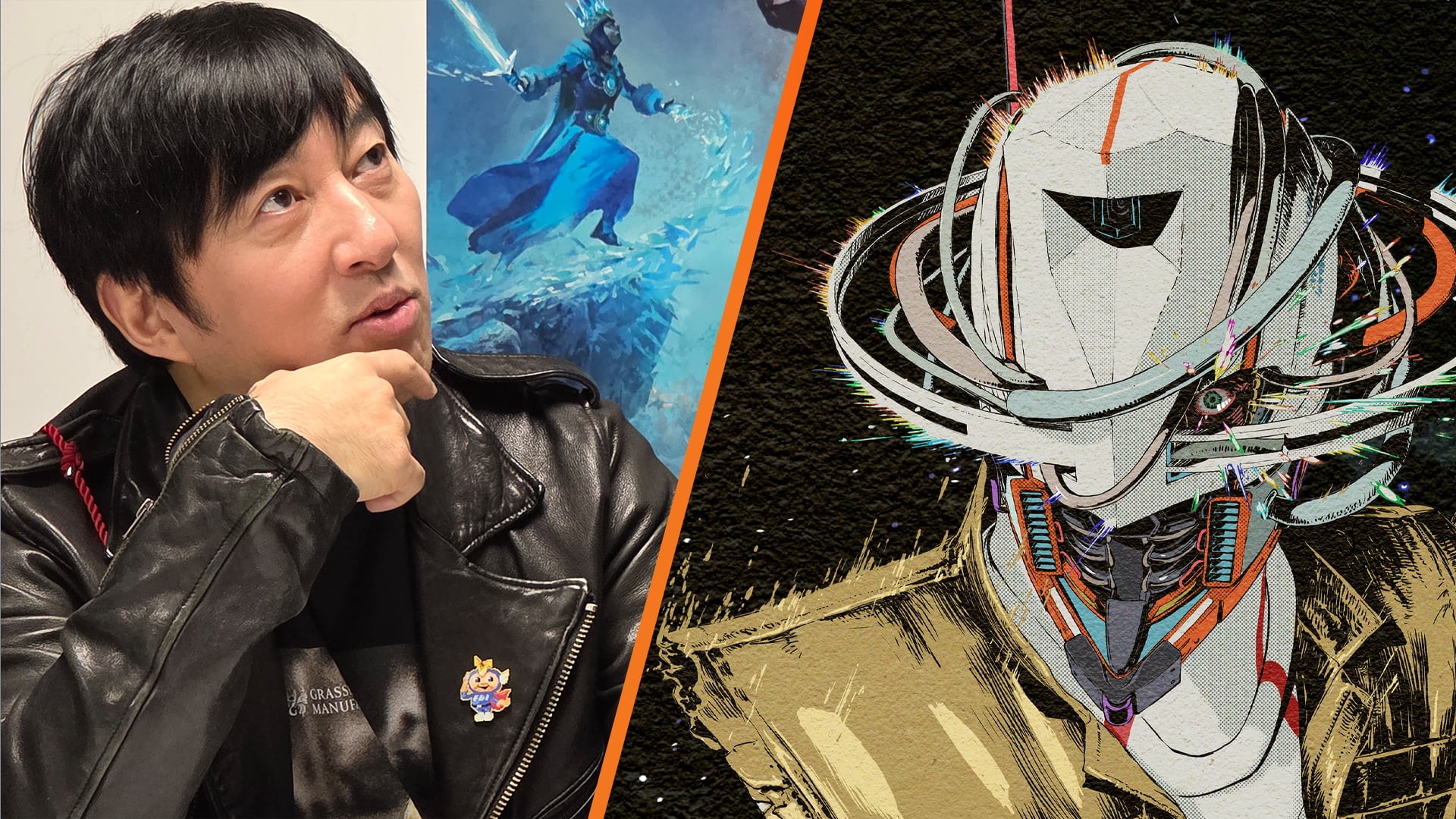
‘romeo is a dead man’ has shifted from intriguing anomaly to full-blown priority target on the #gamedev radar this week. With a locked-in launch date, a final pre-release transmission, and a cascade of systems-focused intel drops, Grasshopper Manufacture is clearly orchestrating a controlled chaos rollout rather than a standard marketing beat.
Suda51 and director Ren Yamazaki are explicitly framing this as a legacy-defining project—less a quirky side-mission in the Grasshopper canon, more a thesis statement on how far their punk DNA can stretch without snapping. For #indiegame teams watching from the fringes, this is a masterclass in how to weaponize identity, not dilute it, as you scale ambition.
Strategic Launch Intel: Time, Death, and Branching Timelines
This week’s key broadcast confirms that FBI Space-Time Police Special Agent Romeo officially clocks in on February 11. The latest trailer doesn’t just show off combat; it teases branching timelines, bizarre villains, and a narrative where death is clearly not a fail state but a design pillar.
From a design perspective, this positions ‘romeo is a dead man’ as a hybrid of:
- Time-twisted shooter – Temporal shifts as both narrative and mechanical levers.
- Cause-and-effect puzzle box – Player actions echoing across timelines.
- Surreal character drama – Villains and allies framed like wrestling personas, each entrance treated as a setpiece.
The “controlled chaos” label matters: it suggests Grasshopper is moving away from pure, unrestrained wildness toward structured unpredictability—a space where systems interlock, but outcomes still feel volatile.
Systems Under the Microscope: Bastards, Resonators, and Subspace
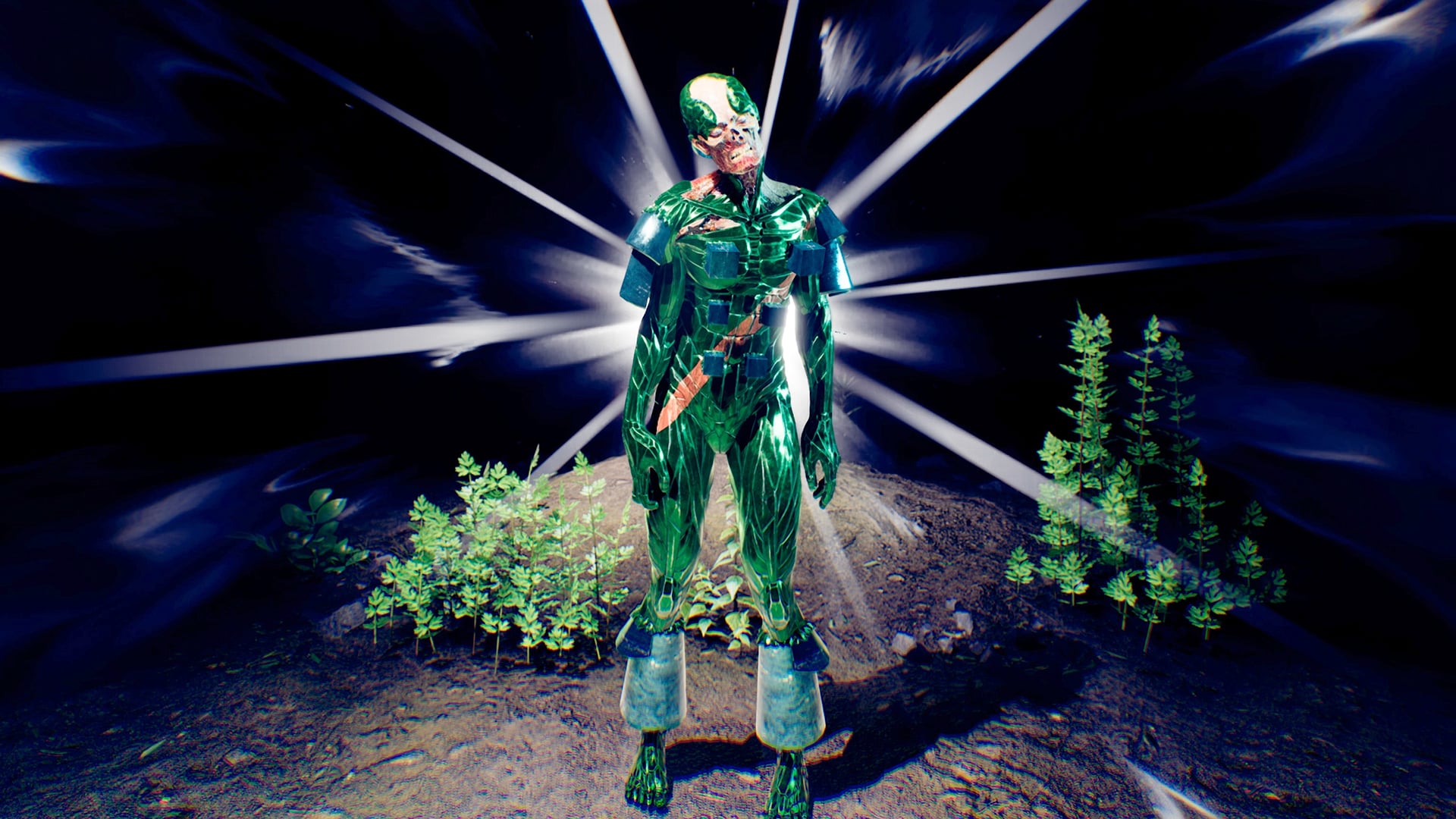
The Bastard Fusion Meta (21 Forms, One Core Loop)
One of the most revealing intel drops this week centers on “Bastards”—a fusion system that lets players unlock 21 unique Bastard types. From a #gamedev standpoint, this is a smart way to:
- Turn buildcraft into narrative flavor (your loadout is literally a rogue entity).
- Encourage experimentation without overwhelming the player with raw stat spreadsheets.
- Anchor replayability in configuration rather than content bloat.
If implemented cleanly, Bastards could function as the game’s build identity layer, giving each timeline run a distinct tactical and aesthetic signature.
Green Resonators and Subspace Navigation
Another intercepted guide focuses on green Resonator balls in Subspace—positioned as both navigational aids and systemic puzzles. This hints at:
- Spatial rhythm design: Subspace as a readable, rule-driven space rather than pure surreal noise.
- Layered affordances: Resonators likely act as breadcrumbs, gating, or modifiers for traversal and combat.
For designers, it’s a reminder that even the weirdest spaces benefit from consistent symbolic language. Grasshopper appears to be using color-coded elements to make their chaos legible.
Environmental Puzzles: City Hall, Clock Towers, and Safe Cracking
Two more transmissions this week drill into environmental puzzle design:
City Hall Safe: Tactile, Focused Mystery
The City Hall safe puzzle is framed as a combination-based enigma—classic, but effective. Its prominence in comms suggests:
- A deliberate pacing valve between combat spikes.
- A chance to foreground world-building through artifacts (documents, recordings, or temporal anomalies inside the safe).
For #indiegame developers, this is a case study in how a single, well-designed puzzle can become a memorable narrative anchor rather than just filler.
Clock Tower Enigma: Time as Both Theme and Mechanic
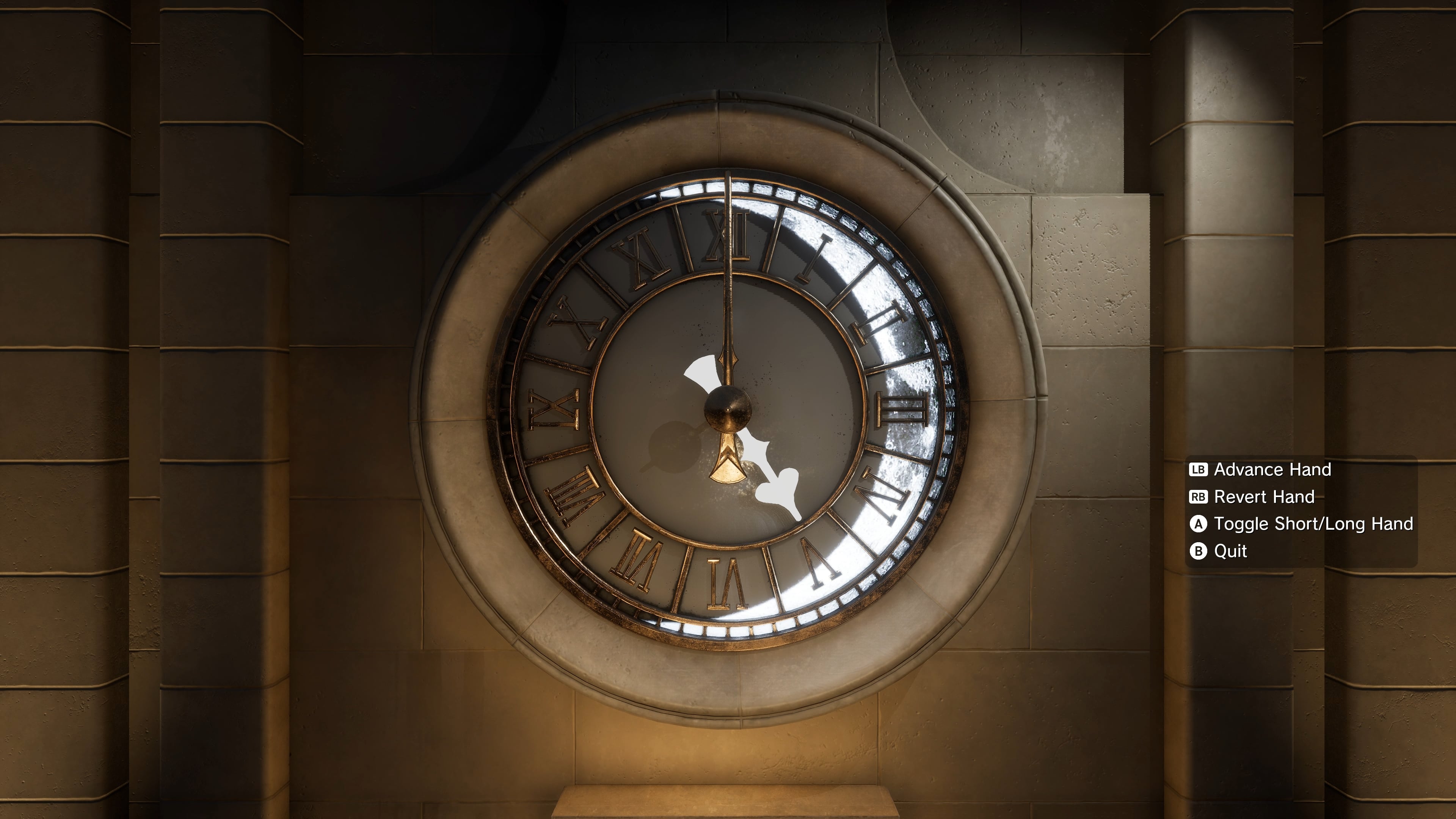
The Clock Tower puzzle leans into cryptic codes and time motifs—on-brand for a shooter about causality crimes. Expect:
- Time-of-day or clock-hand alignment logic.
- Clues scattered across timelines, incentivizing cross-run knowledge.
This reinforces a key pattern: Grasshopper is using environmental puzzles as thematic amplifiers, not mechanical sidebars. Time isn’t just story dressing—it’s embedded in how players read and manipulate the world.
First 19 Minutes on PS5 Pro: Visual & UX Signals
A captured first 19 minutes on PS5 Pro surfaced this week, underlining:
- High-contrast, stylized visuals rather than photorealism.
- Camera work and UI that favor impact and legibility over minimalism.
- A clear onboarding arc: establishing Romeo, the space-time crime framework, and early Bastard systems without drowning the player.
For other studios, the takeaway is clear: strong visual identity plus readable UX beats chasing fidelity for its own sake—especially when your narrative leans surreal.
Inside Suda51’s Headspace: Legacy, Wrestling, and Showmanship
A standout transmission this week dives into Suda51’s mindset. He frames ‘romeo is a dead man’ as a legacy project, shaped heavily by his love of pro wrestling:
- Showmanship: Big entrances, bold silhouettes, and scenes that feel like emotional finishing moves.
- Persona-driven design: Characters built as walking story hooks, not just quest givers.
- Twist-heavy narrative arcs: Heel turns, surprise alliances, and narrative swerves that mirror wrestling booking.
He even extends this philosophy to real-world travel recommendations in Japan, pointing players toward offbeat, atmospheric locations that mirror the game’s tone. It’s a reminder that authentic creative voice is built from lived, specific taste, not generic “inspirations.”
Sector Verdict: A High-Risk, High-Identity Play
From a sector intelligence standpoint, ‘romeo is a dead man’ is shaping up as a high-risk, high-identity bet:
- Risk: Dense systems (Bastards, Subspace, time puzzles) could alienate players if onboarding falters.
- Reward: If Grasshopper sticks the landing, this could redefine their post-No More Heroes era and become a reference point for how to do structured surrealism in action games.
For #gamedev teams tracking the field, this week’s transmissions make one thing clear: Grasshopper isn’t trying to sand down their edges. They’re sharpening them—and betting that in a crowded market, coherent weirdness beats safe iteration.
Sources and corrections
This archive entry does not have a verified article-source list. Images and video embeds alone are not evidence for every claim.
Found an error? Request a correction. Include the passage and a supporting source.