Automated archive / Resident Evil Requiem
Resident Evil Requiem Becomes Capcom’s New Apex Predator
Resident Evil Requiem has blown past 5 million sales, broken concurrency records, and redefined Capcom’s baseline for survival horror. This week’s Sector Intelligence Report dissects its systems, performance profile, and design choices to map what comes next for the genre.
AI-generated summary. This archive article does not have a current recorded source check. Check linked sources before relying on details. Editorial policy
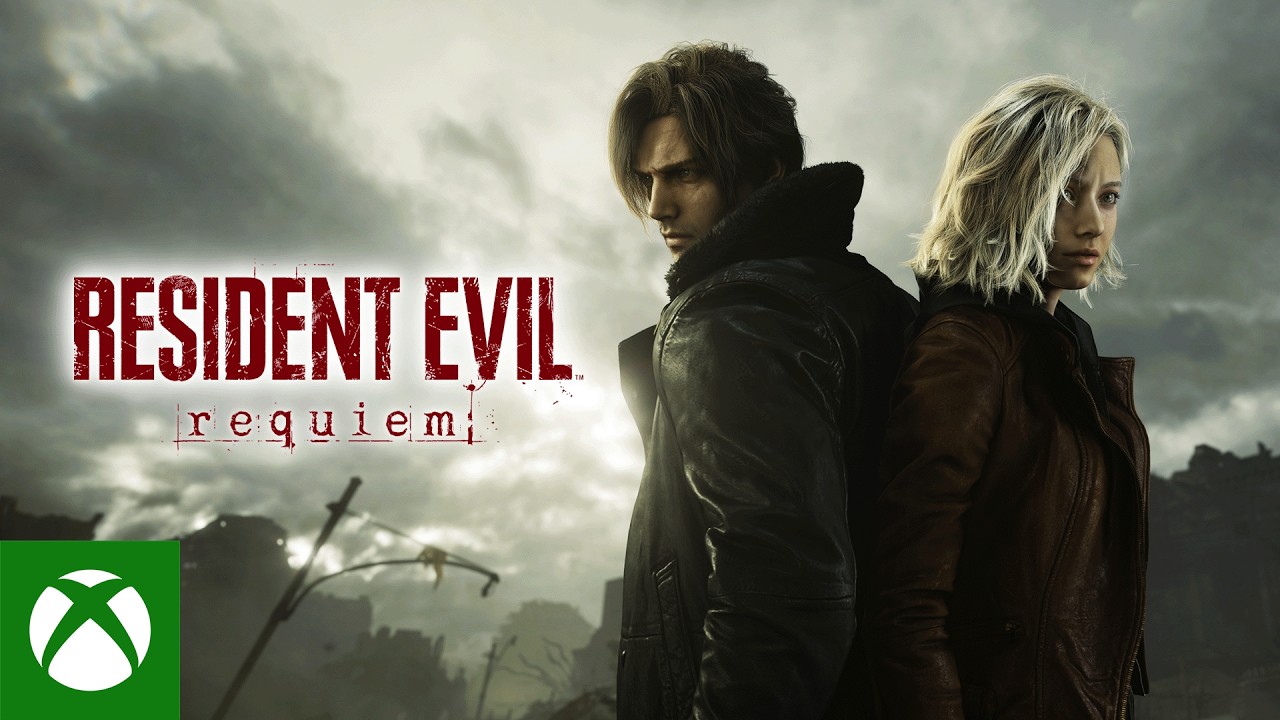
Market Signal: Requiem Is Now the Franchise’s New Baseline
Resident Evil Requiem isn’t just another numbered entry; over the last week it has solidified itself as Capcom’s new performance floor for the series. Telemetry confirms 5 million units shipped in record time, outpacing both Village and the RE4 remake and likely marking the biggest launch in Resident Evil history. On Steam, Requiem is sitting at the top of the revenue grid (excluding F2P), while console-side, the PlayStation Store’s February 2026 charts show Requiem dominating PS5 in both US/EU and Southeast Asia.
For studios tracking #gamedev benchmarks, Requiem now operates as a live case study in:
- How to relaunch a legacy horror IP without diluting its identity.
- How cross-platform saturation (PC, PS5, PS4, PS VR2) can be timed to create a single, global “event” moment.
- How to sustain launch-week interest with layered systems (charms, puzzles, NG+, challenge rewards) built for replayability.
Peak concurrency of 334,214 simultaneous players over launch weekend confirms this wasn’t just a strong pre-order curve; it’s sustained, active engagement at scale.
Platform Performance: Curated Console, Uncapped PC
The Resident Evil Requiem PC vs PS5 performance analysis paints a clear strategic split. On PS5, Capcom delivers a curated “cinematic” experience: stable frame pacing, predictable performance envelopes, and a tightly controlled horror rhythm. For console-first designers, this is a reminder that horror pacing often benefits from consistency over raw frame-rate.
On PC, Requiem behaves more like an overclocked bioweapon. Higher frame-rate ceilings, sharper output, and granular toggles for ray tracing, texture quality, and CPU thread utilization turn the port into a hardware stress test. From a #gamedev and #indiegame perspective, this duality is instructive:
- Console as reference build: lock your intended experience here.
- PC as scalability lab: prove your engine’s elasticity and optimization pipeline.
Capcom is essentially shipping two intertwined products: a fixed horror film and a tunable horror sandbox.
Systems Design: Ammo Scarcity as a Monetizable Skill Ceiling
Requiem’s systemic backbone is classic survival horror resource calculus. A dedicated ammo conservation breakdown identifies 12 optimal methods to stretch every bullet—limb targeting, environmental kills, and melee finishers—while a separate reward farming protocol shows how high-score challenge nodes and S-rank clears convert into CP currency at maximum throughput.
Design takeaways:
- Scarcity is no longer just thematic; it’s a progression throttle that nudges players into mastering systems rather than brute-forcing encounters.
- The CP economy and infinite ammo unlocks turn skill into a soft monetization vector: time, mastery, and knowledge are the currency.
- For live ops planning, this kind of grindable meta-layer is fertile ground for future DLC challenges and seasonal modes.
This approach is highly replicable for smaller teams: even a modest #indiegame can simulate this loop with tightly tuned challenge runs, ranked clears, and meta-currencies tied to cosmetic or modifier unlocks.
Micro-Systems & Environmental Storytelling: 28 Ways to Build Tension
A forensic breakdown of 28 micro-systems in Resident Evil Requiem highlights how much of its impact comes from details that never headline a trailer: reactive AI behaviors, environment-aware gore, and callbacks to classic puzzle logic. None of these systems are individually revolutionary, but together they create a high-density design mesh that:
- Reinforces spatial awareness (players learn to read rooms as mechanical spaces, not just backdrops).
- Seeds foreshadowing and lore through subtle environmental reactions.
- Keeps veteran players off-balance by remixing familiar Resident Evil grammar with new rules.
For developers, the lesson is clear: micro-systems are where horror lives. You don’t need blockbuster set-pieces if your hallways, item interactions, and enemy reactions are constantly negotiating with the player’s expectations.
Puzzles, Briefcases, and the Final Challenge: Designing the Last Lock
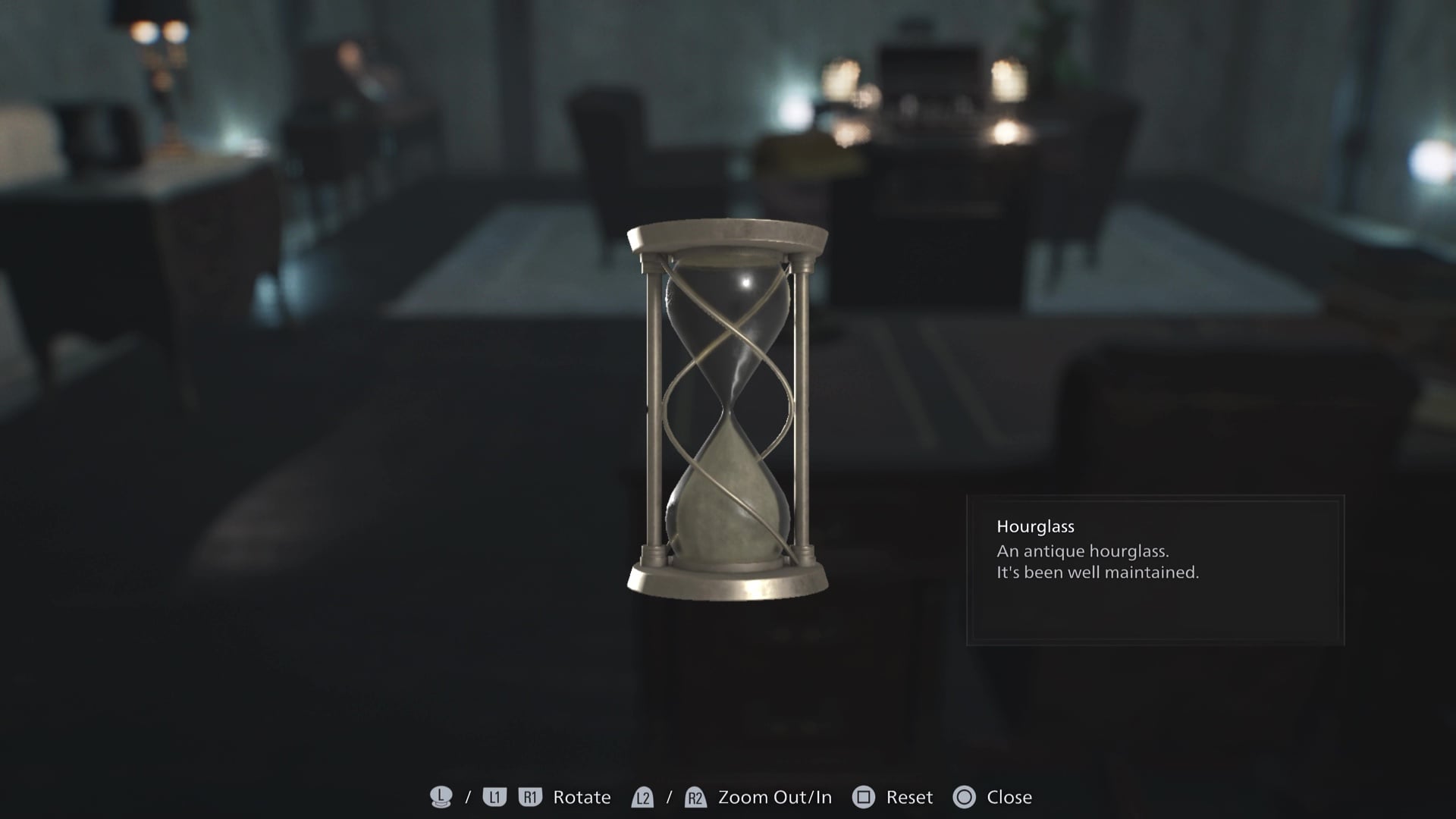
Requiem’s puzzle design has crystallized around one flagship moment: The Final Challenge. The last puzzle is described as a tightly interlocked logic grid—item placement, code sequencing, and environmental triggers all converging into a single, elegant lock. The key insight from field reports:
“Inefficient for the unprepared, elegant for the analytical.”
That’s the sweet spot modern horror puzzles should aim for. Capcom leans on:
- Multi-layer symbol logic that rewards note-taking and pattern recognition.
- Environmental cues that double as both art direction and functional UI.
- Pre-stacked resource planning so players can “solve” the puzzle before they ever reach it.
The mysterious briefcase asset spotted in Requiem underscores the same philosophy. Rather than simple loot, its presentation suggests puzzle-gated, lore-rich content—item-context storytelling over raw stat drops. For #gamedev teams, it’s a reminder that a single, well-framed container can carry more narrative weight than another cutscene.
Narrative Architecture: Dual Endings, Parallel Timelines
Requiem’s narrative telemetry confirms two distinct endgame routes, each reframing character loyalty, institutional culpability, and the future of the outbreak. Every ending functions as a discrete scenario in terms of who survives, who’s compromised, and how Umbrella-adjacent forces are positioned for the next operation.
The broader “every ending in 4K” documentation shows Capcom treating endings as branching data sets, not just A/B cutscenes. That’s crucial for:
- DLC planning (both endings can be treated as parallel “what if” entry points).
- Transmedia spin-offs (comics, novels, or series can canonize one path while acknowledging the other).
- Community discourse and theorycrafting, which in turn feeds long-tail discoverability and SEO gravity around resident evil requiem endings explained.
Post-Game Loop: NG+, Charms, and Letters from 1998
Post-clear, Requiem pivots into New Game Plus with loadout carryover, higher difficulties, and achievement-driven routing. The charm system—inventory and weapon charms for Grace and Leon—creates a modular loadout layer that can subtly shift run identity: more carry capacity here, tighter recoil control there.
The “Letters from 1998” scattered across the Deluxe Edition and Deluxe Kit DLC operate as lore fragments and collectible bait. For designers, this is a strong example of how to:
- Tie nostalgia (1998, Raccoon-era vibes) into modern content without feeling like a retread.
- Incentivize full-map sweeps and backtracking in a way that supports both trophy hunters and narrative completionists.
Together, NG+, charms, and letters transform Requiem from a one-and-done campaign into a systemic horror platform that can support future updates and expansions.
Regional Friction: Censorship and Authentic Horror
Not all telemetry is positive. In Japan, players are reporting heavy visual censorship, with gore and critical horror beats scrubbed or muted. Feedback on the ground is blunt: the edits are “immersion-breaking” and undercut the series’ trademark shock factor.
From a global design perspective, this raises ongoing questions:
- How far can you bend a horror experience for regional standards before it stops being the same game?
- When does a censored build become a separate product that needs its own tuning and expectations?
For studios planning worldwide launches, Requiem’s Japanese backlash is a reminder to factor content divergence into QA, marketing, and community strategy from day one.
Reputation Systems: Metacritic, AI, and Trust
Requiem briefly held the highest user score of all time on Metacritic, a powerful marketing bullet point in its own right. But the more revealing story is Metacritic’s removal of a review attributed to a “highly respected critic” who, it turns out, didn’t exist—and whose write-up was allegedly AI-generated.
For both creators and critics, this incident is a warning shot:
- Expect tighter verification of critic identities and bylines.
- Assume readers will become more skeptical of uncredited or anonymous praise.
- Recognize that authentic, human-authored critique is becoming a selling point in itself.
Requiem sits at the center of this debate, unintentionally becoming a test case for how platforms police AI-generated criticism.
Competitive Landscape: Steam, PlayStation, and the Horror Arms Race
On Steam’s top-seller charts, Resident Evil Requiem leads a field that includes ARC Raiders, Baldur’s Gate 3, ARK: Survival Ascended, and Steam Deck hardware. On PlayStation, February 2026 download charts show survival horror and returning franchises dominating across PS5, PS4, PS VR2, and F2P corridors.
For competitors, Requiem’s performance means:
- The bar for AAA horror is now set at multi-million unit launches plus record concurrency.
- Any new horror IP—especially an #indiegame—will be judged against the systemic density and polish Requiem just normalized.
- The safest move is not to copy Capcom’s structure, but to counter-program it: smaller scopes, weirder mechanics, sharper hooks.
Tactical Closing: What Developers Should Steal From Requiem
From this week’s intel, three design pillars stand out for studios studying resident evil requiem as a reference build:
- Systemic Scarcity – Ammo, currency, and unlocks form a coherent loop that rewards mastery over grind.
- Layered Endgame – NG+, charms, and collectibles keep the map alive long after credits roll.
- Precision Puzzles – A single, well-crafted final puzzle can define the campaign’s legacy more than another boss fight.
Capcom has effectively turned Requiem into a horror operating system. The question for the rest of the market is simple: are you building something that can coexist with it—or something sharp enough to cut through it?
Sources and corrections
This archive entry does not have a verified article-source list. Images and video embeds alone are not evidence for every claim.
Found an error? Request a correction. Include the passage and a supporting source.
Your games, in one place
Keep up with Resident Evil Requiem
Follow this game to collect its posts in your personal feed. Come back to see what you missed.