Automated archive / Resident Evil 9: Requiem
Cracking RE9’s Elpis Endgame and Turning Raccoon City Into a Loot-Positive Warzone
Resident Evil 9: Requiem’s latest intel drops transform Raccoon City into a tactical economy and put real narrative weight behind the Elpis endgame fork. This week’s systems — BSAA containers, safe-code vaults, and a brutal RELEASE vs. DESTROY decision — show a horror franchise fully embracing player agency.
AI-generated summary. This archive article does not have a current recorded source check. Check linked sources before relying on details. Editorial policy
Sector Intelligence: Week-in-Review – Resident Evil 9: Requiem
Resident Evil 9: Requiem is quietly shifting from survival-horror to survival-advantage, and this week’s telemetry confirms it. Three major intel drops — BSAA container mapping, full safe-code uplinks, and a deep dive on the Elpis endgame fork — collectively rewire how players should route, loot, and role-play their way through Capcom’s new biohazard theatre.
This isn’t just guide fodder; it’s a live case study in how AAA horror is borrowing systemic thinking from #indiegame and immersive-sim design, while still speaking the language of cinematic Resident Evil storytelling. For #gamedev watchers, the pattern is clear: Requiem is being tuned as much around player agency and run optimization as around raw scares.
BSAA Cache Sweep: Raccoon City as a Tactical Economy
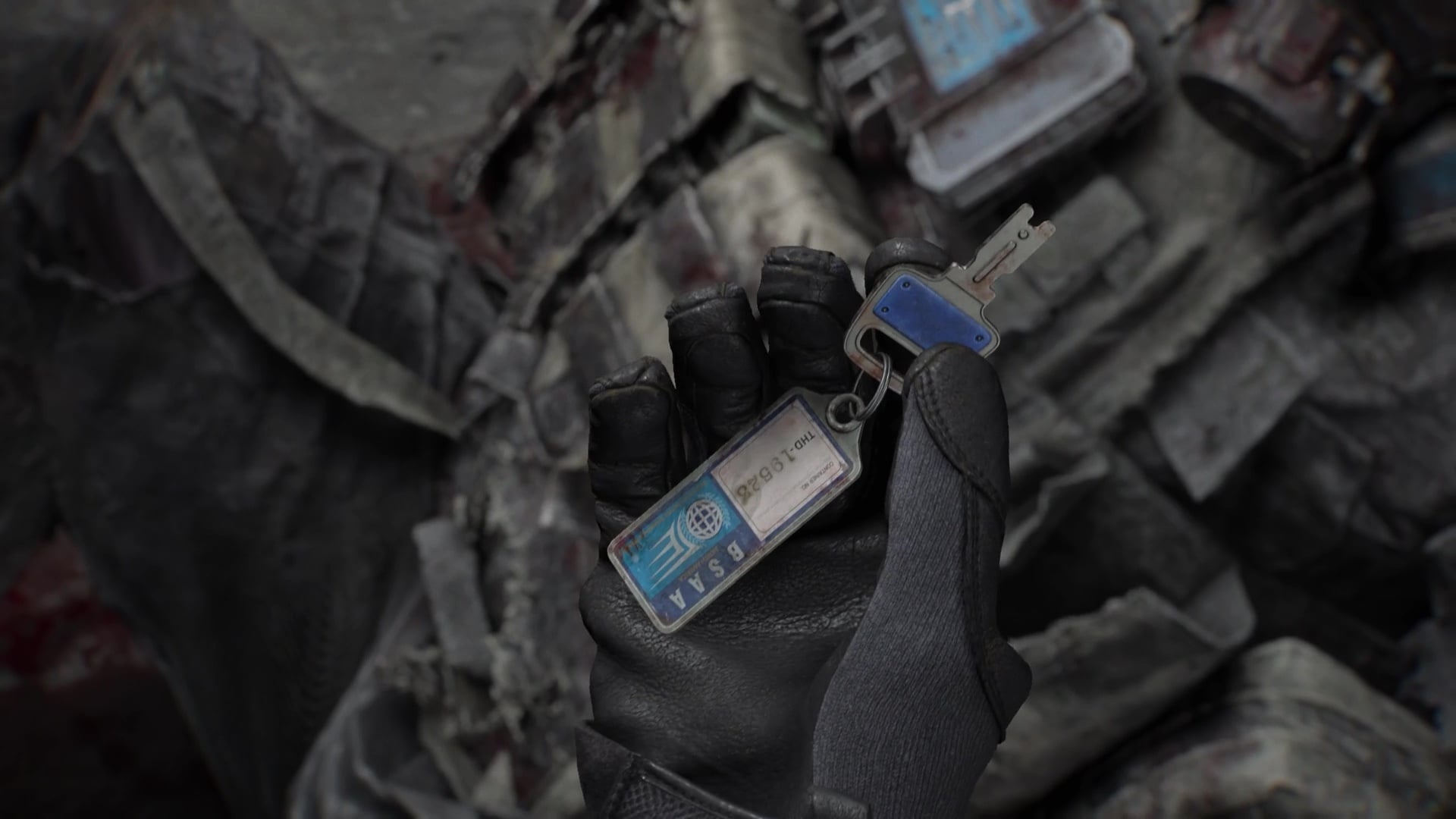
The first major packet — “All BSAA Container locations and rewards” — reframes Raccoon City not as a dead zone, but as a layered economy.
Capcom’s container grid effectively turns every alley into a potential loot-positive engagement zone. By mapping and indexing BSAA containers, the design team is:
- Incentivizing deliberate routing over blind exploration.
- Rewarding risk-managed aggression with high-value resources and weapon upgrades.
- Letting players convert combat encounters into net-positive runs if they plan around container density.
From a #gamedev perspective, this is a subtle but important shift. Classic Resident Evil often punished backtracking and over-engagement; Requiem’s BSAA system suggests a more modern loop where players are encouraged to:
- Scout sectors.
- Plot an optimized path.
- Chain encounters into a resource surplus.
It’s resource horror, but with a roguelite brain.
For speedrunners and high-difficulty operators, this grid becomes a meta-game: how few bullets and herbs can you spend while still clearing every container? For designers, it’s an elegant example of using spatial economy to drive tension instead of just enemy density.
Vault Protocols: Safe Codes as Environmental Storytelling
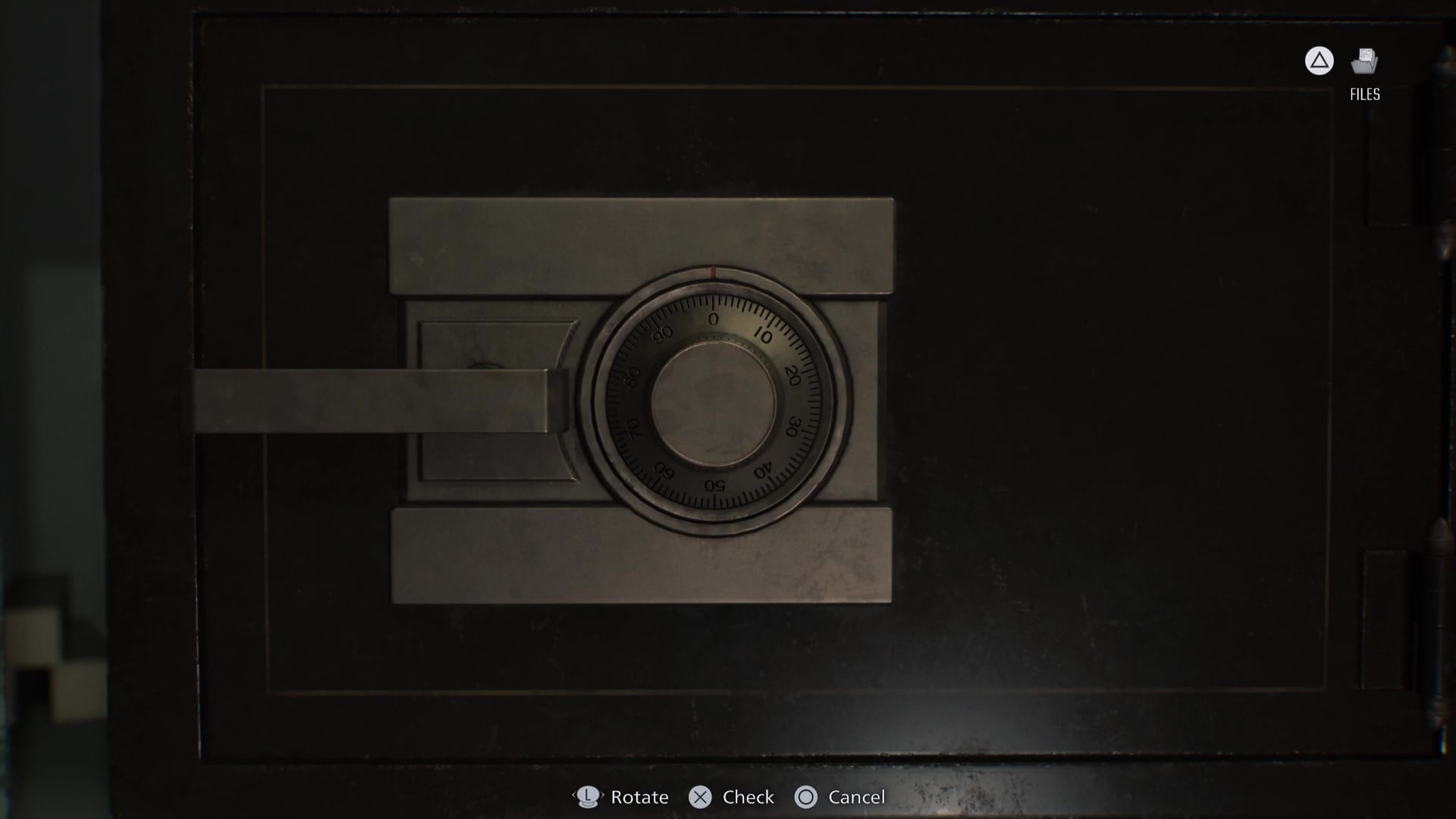
The “All safe codes, locations, and rewards” uplink pushes that economic design even further. Safes are no longer just static rewards; they’re micro-puzzles embedded in the city’s history.
By centralizing every code and payout, the community is effectively reverse-engineering Capcom’s internal reward curve:
- Early safes trend toward stability tools (healing, ammo buffers).
- Mid-game safes deliver build-defining gear (attachments, sidearms, specialty ammo).
- Late-game safes appear tuned for playstyle expression rather than pure power, letting players lean into precision, crowd control, or attrition.
For #gamedev teams, this is a reminder that players will always datamine and index your reward structures — and that’s not a threat, it’s an opportunity. The fact that Requiem’s safes hold up under this scrutiny suggests a deliberately tiered reward architecture that respects repeat runs and challenge modes.
The safe network also doubles as pacing control. Well-placed safes serve as:
- Psychological checkpoints, giving players permission to exhale.
- Narrative anchors, tying codes to notes, corpses, and environmental clues.
- Routing magnets, pulling players into optional danger pockets they might otherwise ignore.
Elpis Protocol: Branching Endgame Logic With Teeth
The most consequential drop this week is the Elpis Protocol breakdown: a full analysis of the final RELEASE vs. DESTROY decision node in Resident Evil 9: Requiem.
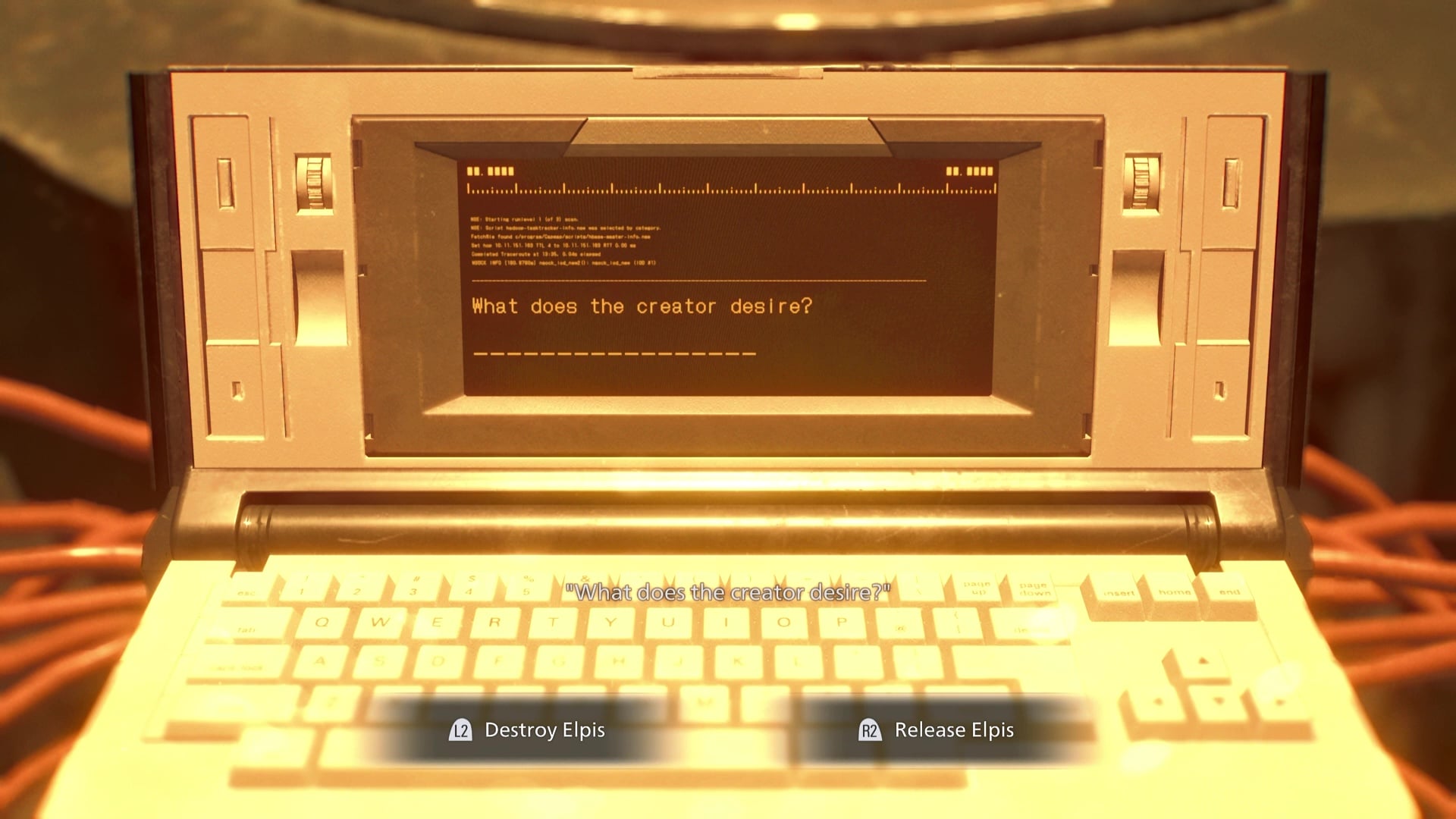
At the Elpis decision node, the game stops being about inventory management and becomes a referendum on bioethics vs. containment doctrine. The reported outcomes suggest:
- RELEASE leans into moral ambiguity and long-tail narrative consequences, potentially reshaping character fates and the broader Resident Evil mythos.
- DESTROY prioritizes immediate containment and tactical clarity, at the cost of unresolved ethical fallout and possibly more hardline BSAA-aligned endings.
This isn’t just a cosmetic choice. Telemetry from early clears indicates that Elpis outcomes:
- Re-contextualize earlier story beats on repeat runs.
- Shift how players interpret BSAA operations and corporate oversight.
- May influence which characters feel “canon-adjacent” for future entries.
From a #gamedev lens, Elpis is a smart evolution of branching logic:
- It’s late-game, so it doesn’t fracture production scope across the entire campaign.
- It’s philosophically loaded, making the branch feel weighty without requiring totally divergent asset pipelines.
- It’s mechanically prepped by earlier systems — the same player who optimizes BSAA routes and safe-cracking is now asked to optimize values, not just resources.
Systemic Horror: Where Requiem Is Pointing Next
Taken together, this week’s intel paints Resident Evil 9: Requiem as a horror game that understands systemic play:
- BSAA Containers turn geography into a resource economy.
- Safe Codes turn exploration into a curated difficulty and build-tuning tool.
- Elpis turns narrative into a player-authored thesis on bioweapon ethics.
For #indiegame and #gamedev teams watching from the sidelines, Requiem’s latest updates are a blueprint: you don’t need sprawling open worlds to deliver agency. You need tight systems, clear risk-reward signaling, and one or two well-placed decision nodes that let players own the outcome.
As more data packets drop, the real question isn’t just which ending players will choose — RELEASE or DESTROY — but which systems they’ll carry forward into the next generation of horror design.
Sources and corrections
This archive entry does not have a verified article-source list. Images and video embeds alone are not evidence for every claim.
Found an error? Request a correction. Include the passage and a supporting source.
Your games, in one place
Keep up with Resident Evil 9: Requiem
Follow this game to collect its posts in your personal feed. Come back to see what you missed.