Automated archive / Resident Evil 9: Requiem
Cracking RE9’s Containers, Safes, and the Elpis Endgame Node
This week’s RE9: Requiem intel turns Raccoon City into a knowable resource grid, exposes the safe network as a deliberate pacing tool, and spotlights the Elpis Protocol as a high-impact narrative fork. For players and devs alike, it’s a live lesson in how information, economy, and ethics collide in modern survival...
AI-generated summary. This archive article does not have a current recorded source check. Check linked sources before relying on details. Editorial policy

Sector Intelligence Report // Week of Feb 27
Resident Evil 9: Requiem has quietly shifted from survival-horror tourism to full-spectrum resource warfare. This week’s telemetry from the field points to three converging systems that are shaping how players route, loot, and role-play their way through Raccoon City’s new nightmare: the BSAA Container grid, a fully mapped safe network, and the Elpis Protocol—a branching endgame decision node that hard-forks the campaign’s final act.
For developers tracking systemic design and #gamedev trends, RE9’s latest discoveries are a live case study in how tightly controlled resource economies, spatial risk-reward, and narrative branching can be layered without collapsing pacing. For players, it’s a blunt message from the field: information is ammo, and this week’s intel drops are effectively a meta-difficulty slider.
BSAA Cache Sweep: Turning Raccoon City Into a Loot-Positive Warzone
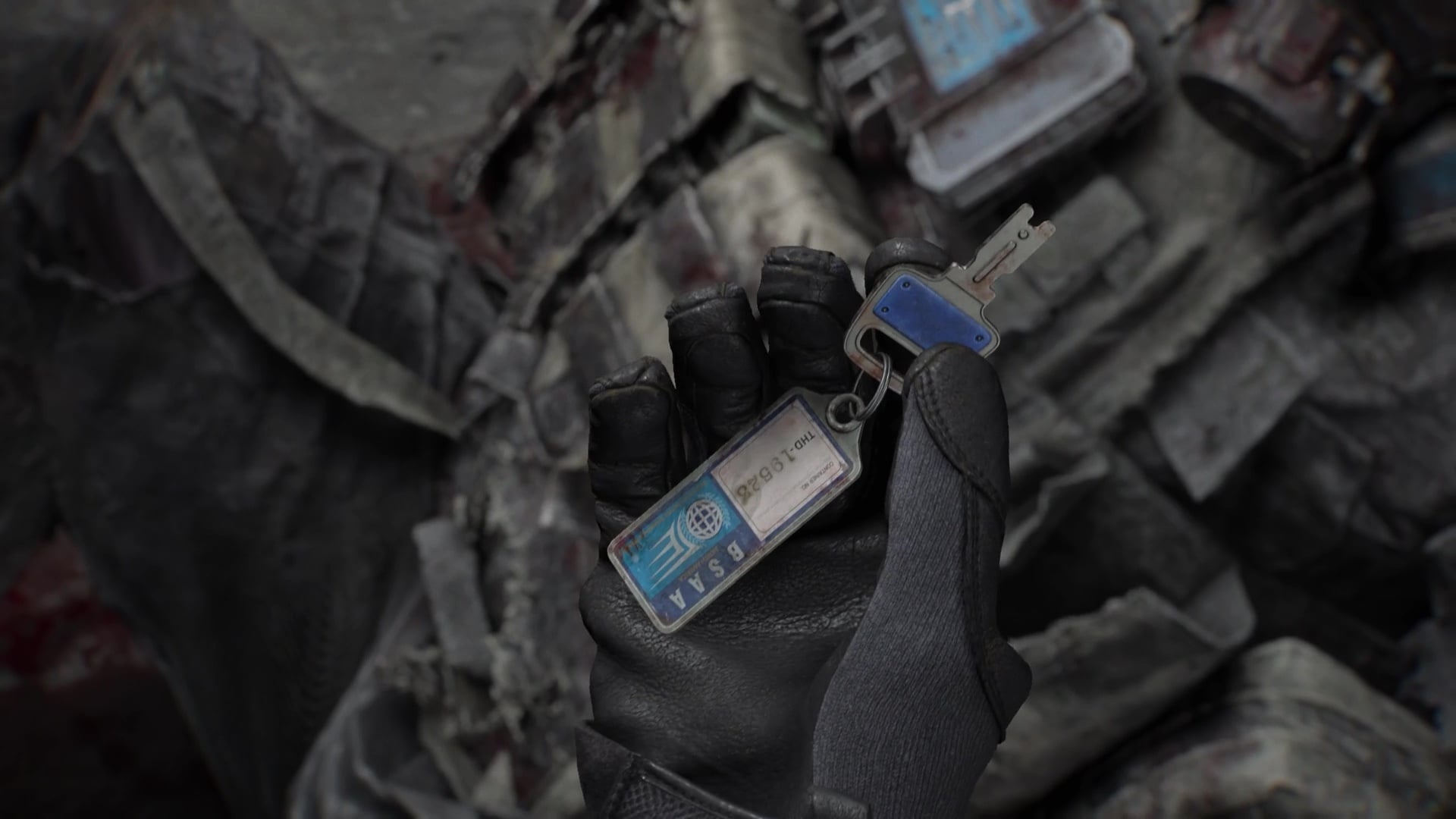
The “BSAA Cache Sweep Protocol” transmission confirms what the community suspected: every BSAA container in Resident Evil 9: Requiem is now mapped, indexed, and documented—effectively transforming the city into a knowable resource lattice.
From a design perspective, this is a deliberate inversion of classic Resident Evil scarcity. Instead of blind scrounging, RE9 is leaning into route optimization as mastery. Players who internalize container positions can:
- Chain high-value caches into their mainline objectives, keeping ammo and herbs topped without excessive backtracking.
- Treat alleys and side streets as micro-dungeons, each with a clear risk (enemy density, tight sightlines) versus reward (weapon upgrades, tactical supplies).
- Use the BSAA grid as an adaptive difficulty tool: under-geared players swing wide to hit more containers; veterans cut a lean, high-risk line straight through.
From a #gamedev standpoint, this looks like Capcom stress-testing a hybrid between open-world loot loops and traditional survival horror. The container system preserves tension (you still have to earn the cache), but the existence of a known grid gives designers a powerful way to sculpt difficulty curves without touching enemy stats.
Vault Protocols: Safe Codes as Pacing Valves
Running parallel to the BSAA sweep, the “Vault Protocols” uplink compiles all safe codes, locations, and rewards across Resident Evil 9: Requiem. On paper, it’s a simple quality-of-life resource. In practice, it’s a window into how RE9 regulates tempo.
Safes function as pacing valves:
- They punctuate exploration with short, high-tension beats: low health, low ammo, one safe between you and a power spike.
- They provide controlled bursts of power—a key upgrade, a rare ammo type—that can radically reframe the next combat encounter.
- Their placement telegraphs design intent: clustered safes near boss routes suggest optional prep; isolated safes in late-game sectors hint at soft difficulty checks.
The fact that the entire safe network can be pre-solved via external intel is telling. Capcom appears comfortable with players short-circuiting the puzzle layer, suggesting that the real design focus is on macro-level resource planning, not micro-code discovery. For #indiegame teams studying RE9, this is an actionable lesson: you can decouple information friction from mechanical tension and still preserve suspense.
Elpis Protocol: Branching Endgame Logic as a Design Statement
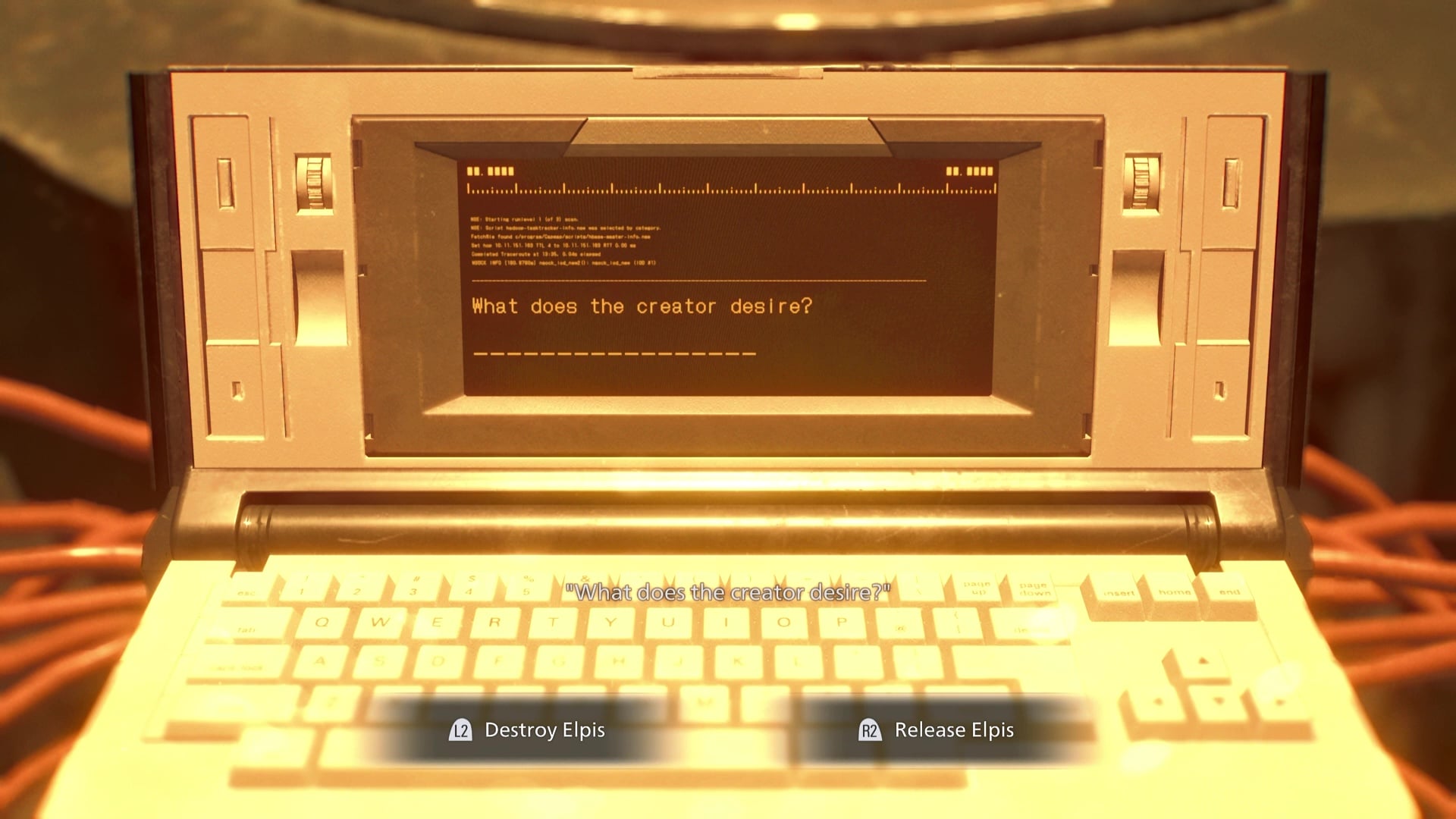
The most significant signal in this week’s feed is the Elpis Protocol: a late-game decision node where players must choose to RELEASE or DESTROY a critical asset. While branching endings aren’t new to Resident Evil, the language around Elpis—“rewriting narrative telemetry and character fates”—implies more than a cosmetic epilogue swap.
Design-wise, Elpis looks like a culmination mechanic. Every prior decision—how aggressively you looted BSAA containers, how thoroughly you cracked safes, how you prioritized containment vs. survival—feeds into how players feel when they hit that final fork. The choice is framed less as a binary moral test and more as a systems-informed ethical calculus:
- RELEASE: Potentially more hopeful, but risks further biohazard proliferation.
- DESTROY: Cleaner containment, but likely at a severe narrative and human cost.
For narrative-focused developers, Elpis is a reminder that branching doesn’t need a massive decision tree to land. A single, well-framed fork—backed by hours of mechanical context—can deliver meaningful divergence without ballooning production scope.
Strategic Takeaways for Developers and Players
From a high-level #gamedev and #indiegame lens, this week’s Resident Evil 9: Requiem intel underscores three core principles:
- Information as Difficulty – Publishing full BSAA and safe grids doesn’t kill tension; it shifts mastery toward route planning and risk budgeting.
- Economy as Story – How generously (or ruthlessly) the game pays out through containers and safes shapes the emotional tone of the campaign as much as cutscenes do.
- One Big Choice > A Thousand Small Ones – The Elpis endgame node suggests Capcom is investing in a few high-impact decisions instead of sprawling, shallow branching.
On the ground, the directive is clear: sync the latest container maps, lock in every safe code, and start thinking about your stance on Elpis long before you reach the final chamber. Resident Evil 9: Requiem isn’t just testing your aim—it’s testing how you architect a survival strategy inside a hostile systemic network.
Sources and corrections
This archive entry does not have a verified article-source list. Images and video embeds alone are not evidence for every claim.
Found an error? Request a correction. Include the passage and a supporting source.
Your games, in one place
Keep up with Resident Evil 9: Requiem
Follow this game to collect its posts in your personal feed. Come back to see what you missed.