Automated archive / Rayman
Rayman 30-Year Reboot Signal: Inside the Stealth Revival of a Platforming Classic
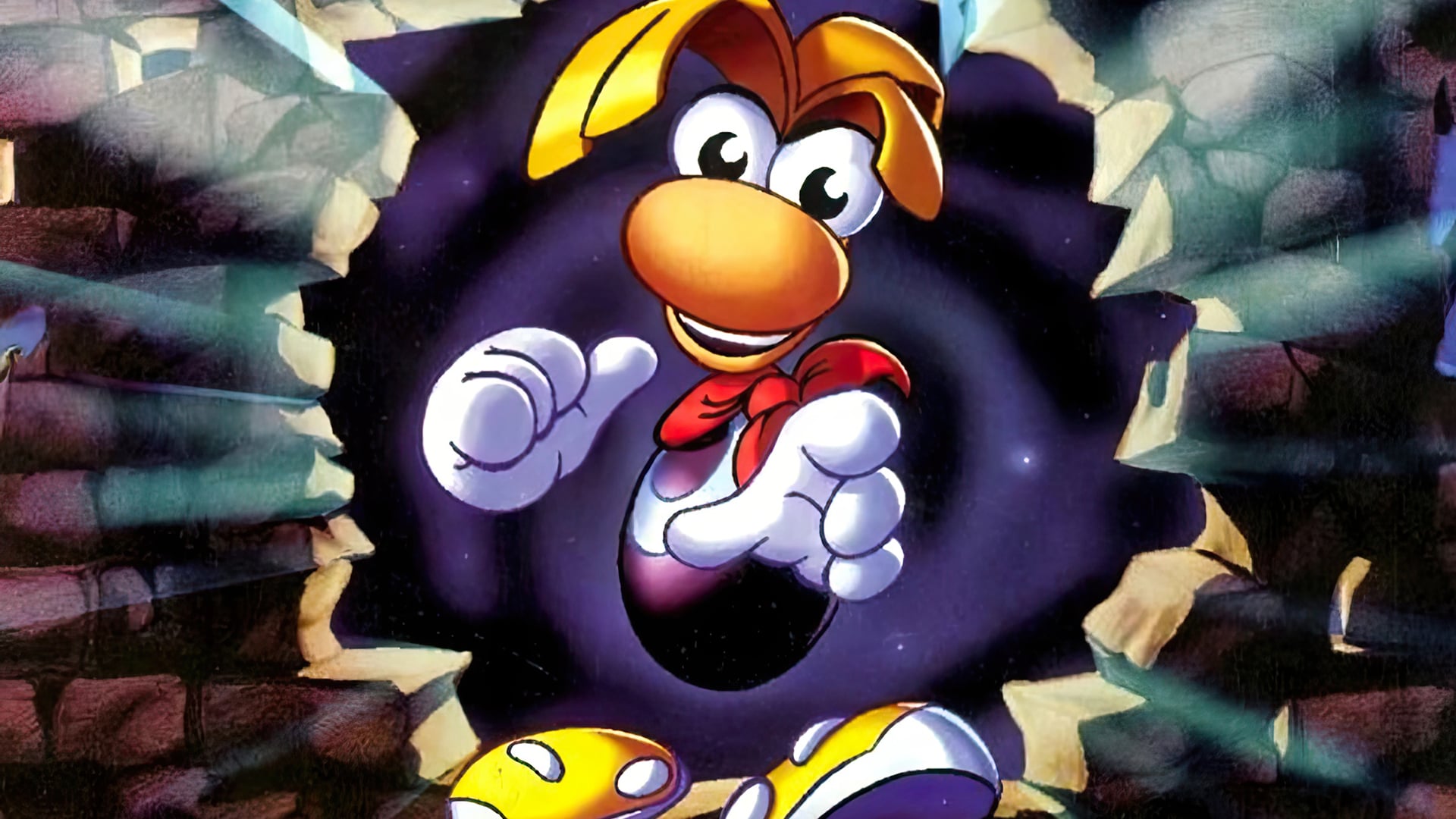
Rayman’s original adventure is quietly being rebuilt as a 30th Anniversary “kind of remake,” signaling a full-scale return of one of the ‘90s defining 2D platformers. This stealth revival could become a template for how studios modernize classic IP without sacrificing mechanical identity.
AI-generated summary. This archive article does not have a current recorded source check. Check linked sources before relying on details. Editorial policy
Sector Intelligence Report: Rayman Reawakens
Rayman is quietly spinning back into orbit. A newly surfaced 30th Anniversary Edition rating and resurfaced comments from creator Michel Ancel are converging into a clear signal: Ubisoft is preparing a Rayman reboot of the original game—described as a “kind of remake” rather than a simple upscale. For a series that helped define ‘90s 2D platforming, this isn’t just a nostalgia play; it’s a strategic legacy move with serious implications for #gamedev and #indiegame creators studying long-tail IP management.
What the 30th Anniversary “Kind of Remake” Likely Means
Not a Remaster, Not a Full Reimagining
The activity feed points to a “kind of remake”—language that suggests a middle path between a 1:1 remaster and a radical reboot:
- Core 2D platforming preserved: Expect the razor-sharp, punishing-but-fair level design of the original Rayman to remain intact. That “precision jump” DNA is the brand.
- High-res visual overhaul: Modern rendering, cleaner animation curves, and potentially redrawn backgrounds to match or exceed the lush painterly style seen in Rayman Legends.
- Modern tech stack: Updated engine tech for current platforms, likely targeting 4K, higher framerates, and more responsive input latency—critical for a pure platformer.
For developers, this is a case study in mechanical preservation with aesthetic modernization—a pattern increasingly common in both AAA and #indiegame remakes.
Platforming Design as a Time Capsule
Rayman’s original design was built in an era before accessibility sliders, generous checkpoints, or hand-holding tutorials. A 2026 build has to answer:
- Do you soften difficulty curves for new players, or keep the original spike as a badge of honor?
- How do you update UX—checkpoints, save systems, onboarding—without diluting identity?
- Can you integrate modern accessibility features (visual clarity, control remapping, assist modes) while preserving the tension that defined the ‘90s experience?
These are the same questions today’s #gamedev teams face when reviving or referencing retro design in new projects.
Strategic Positioning: Why Bring Rayman Back Now?
A 30-Year IP Health Check
A 30th anniversary is more than a marketing slogan—it’s a viability test for a legacy franchise:
- Brand rekindling: A strong reception could reopen the door for new mainline Rayman entries after years of dormancy.
- Cross-generational bridge: The project is clearly framed for both “old-school fans” and “new-generation players,” a deliberate attempt to bind two audiences with a single build.
- Low-risk, high-sentiment play: Compared to funding a wholly new AAA platformer, revisiting a proven formula with modern tech is a safer bet that still carries high emotional ROI.
Lessons for Indie and AA Platformers
Rayman’s return is also a live reference model for smaller teams:
- Leverage nostalgia, but don’t depend on it: The hook is history, but the retention will be in how it feels on a modern controller at 60+ FPS.
- Invest in timeless readability: Rayman’s silhouettes, enemy tells, and background layering are still instructive for contemporary #indiegame platformers.
- Build for future-proofing: This “kind of remake” exists because the original design was robust enough to be re-skinned and re-deployed three decades later.
Development Watch: What to Track Next
While there’s no hard launch window yet, several key signals will define how this reboot lands:
1. Engine & Pipeline
Is Ubisoft rebuilding on internal tech, a modern proprietary engine, or leveraging something closer to the UbiArt-style tooling used in Origins and Legends? The answer will impact:
- Animation fidelity and layering
- Tooling for level iteration
- Potential mod or community support down the line
2. Content Scope
Is this a strict 1:1 campaign with quality-of-life upgrades, or a plus edition with new levels, challenge modes, or time trials? Modern audiences—and streamers—thrive on replay hooks and mastery loops.
3. Platform Strategy
A multi-platform drop (including handheld/portable ecosystems) would align perfectly with Rayman’s pick-up-and-play identity. How Ubisoft sequences PC, console, and potential cloud releases will say a lot about where they see the core audience in 2026.
Sector Outlook: Rayman as a Template for Smart Revivals
Rayman’s 30th anniversary reboot is more than a nostalgia beat; it’s a live experiment in legacy IP stewardship. By preserving the original 2D platforming core while upgrading visuals and tech, Ubisoft is signaling a model that other studios—AAA and #indiegame alike—can study:
- Respect the original game’s mechanical spine.
- Modernize everything around it: visuals, performance, UX, accessibility.
- Frame the release as a celebration build, not just a reissue.
For now, the signal is clear: the Glade of Dreams is rebooting. The next transmission to watch for is a formal reveal—gameplay footage, engine confirmation, and a concrete release window. Until then, Rayman’s 30-year reawakening sits on our high-priority radar as one of the most strategically important platformer revivals in the current cycle.
Sources and corrections
This archive entry does not have a verified article-source list. Images and video embeds alone are not evidence for every claim.
Found an error? Request a correction. Include the passage and a supporting source.