Automated archive / Rayman
Rayman’s 30-Year Reboot Signal Locks Onto a New Generation
Rayman’s original 2D classic is quietly being rebuilt as a 30th Anniversary Edition, signaling a calculated return of Ubisoft’s limbless icon. This reboot-style project looks set to modernize the tech while preserving the precision platforming DNA that made Rayman a ‘90s standout.
AI-generated summary. This archive article does not have a current recorded source check. Check linked sources before relying on details. Editorial policy
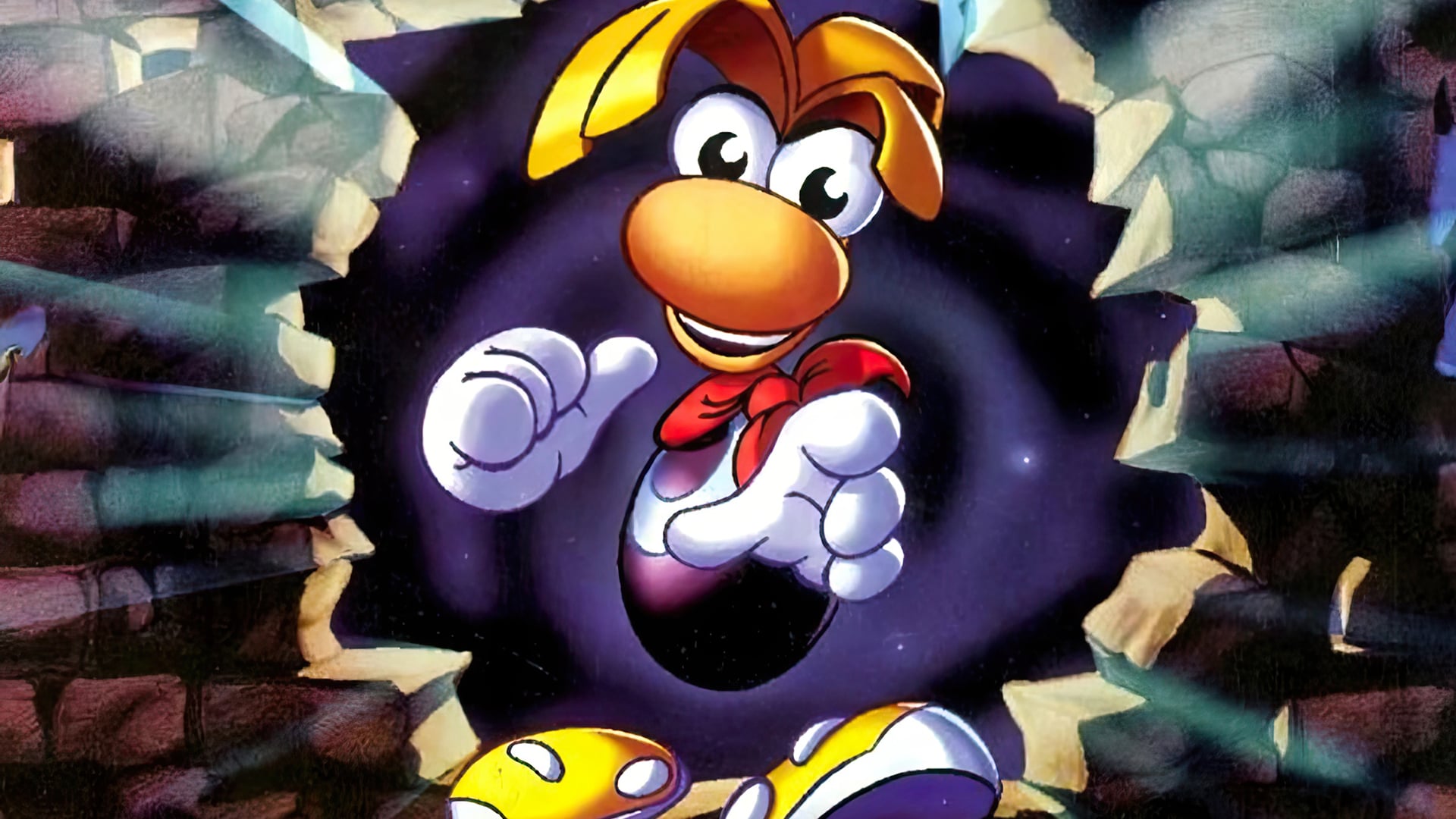
Sector Intelligence Report // Rayman Reboot Signal
Rayman is re-entering the grid.
A new Rayman 30th Anniversary Edition has quietly surfaced via ratings data, and creator Michel Ancel’s historical comments on a “kind of remake” now read like a decoded transmission from the past. Together, they strongly suggest that Ubisoft is preparing a modernized rebuild of the original Rayman, tuned for today’s hardware but faithful to the razor-precise 2D platforming that defined the 1995 classic.
This isn’t a random nostalgia ping; it’s a calculated reactivation of a legacy platformer at a moment when retro-leaning #gamedev and #indiegame projects are thriving on tight controls, expressive art, and focused design.
What the 30th Anniversary Edition Signal Tells Us
A “Kind of Remake,” Not a Simple Port
The phrasing around this project — a “kind of remake” — is crucial. It implies a build that:
- Reassembles the original content (levels, structure, and core mechanics) rather than replacing it.
- Modernizes the tech stack: expect higher resolutions, cleaner animations, and updated engine-level support for current platforms.
- Preserves mechanical identity: that means tight jump arcs, punishing precision, and deliberate difficulty curves that defined early Rayman.
For developers, this is a textbook case of heritage-aware remastering: keep the input feel and systemic rules intact while upgrading the audiovisual layer and platform support.
Visual Refresh Without Losing the 2D DNA
The original Rayman’s hand-drawn aesthetic is its most recognizable asset. A 30th anniversary build is almost certainly going to:
- Sharpen and re-ink sprite work or redraw assets at higher resolution.
- Respect the flat 2D plane, even if subtle parallax and modern post-processing are layered in.
- Avoid the temptation to over-animate or over-smooth in ways that would disrupt timing windows and muscle memory.
In #gamedev terms, this is a content pipeline challenge: rebuilding or upscaling art while ensuring that hitboxes, collision, and animation timings remain consistent with the original.
Strategic Context: Why Reboot Rayman Now?
A Platformer Arms Race Driven by Indies
Over the last decade, the platformer space has been heavily defined by #indiegame leaders: Celeste, Hollow Knight, Ori, and dozens of smaller precision-platformers. These titles have:
- Normalized tough but fair platforming in the mainstream again.
- Raised expectations for narrative framing, accessibility options, and input responsiveness.
A Rayman 30th Anniversary Edition drops into a market that already understands and craves high-skill 2D movement. For Ubisoft, this is:
- A low-risk, high-legacy-value deployment.
- A way to re-measure Rayman’s brand strength before greenlighting more ambitious new entries.
Testing the Waters for Future Rayman Projects
If this anniversary edition lands, it becomes a signal booster for the IP:
- Strong reception could justify a full new Rayman title built with modern production values but guided by the original’s design ethos.
- It also sets up a potential pipeline of curated legacy releases — think enhanced editions of later Rayman entries.
For studios watching from the outside, Rayman’s return is a high-profile case study in legacy IP revitalization that doesn’t discard its 2D roots.
Design & Development Takeaways for Developers
1. Preserve Feel, Modernize Friction Points
The core lesson: don’t touch the feel unless you absolutely have to.
Expect the Rayman 30th project to:
- Keep original jump physics, acceleration curves, and enemy behavior.
- Modernize QoL systems: checkpoints, save systems, input remapping, and accessibility toggles.
For #gamedev teams, this is the blueprint: your remake can be visually new, but the frame-by-frame feel must remain familiar to veteran players.
2. Use Anniversaries as Product Framing Devices
The 30-year milestone is more than a marketing tagline; it’s a permission structure to:
- Reframe an old game as cultural history worth preserving.
- Justify investment in archival-quality assets and code maintenance.
Indie teams working with their own early catalogues can adopt the same playbook: timed “anniversary editions” that reintroduce foundational work to a new audience.
3. Legacy IP in a Post-Indie World
Rayman returning now underscores a shift: major publishers are finally responding to the standards set by the #indiegame scene. The expectation isn’t just, “bring it back,” but “bring it back with respect for craft.”
If the 30th Anniversary Edition lands with:
- Authentic feel
- Thoughtful QoL
- High-fidelity but faithful visuals
…it will stand as a reference implementation for how to modernize a 2D classic without sanding off its edges.
Outlook: Monitoring the Rayman Signal
No hard release window has been locked in, but the ratings listing + historical commentary combination is too aligned to ignore. The Rayman reboot signal is live, and the next data points to watch are:
- Official Ubisoft confirmation and platform targets.
- First-look footage to validate how far the visual and technical overhauls go.
- Any mention of expanded content, accessibility suites, or new modes.
For now, the read is clear: Rayman is being quietly but deliberately reassembled for a new cycle. As more transmission data comes in, this will be one of the most instructive legacy-platformer projects for both big studios and independent teams studying how to bring old code into a new era.
Sources and corrections
This archive entry does not have a verified article-source list. Images and video embeds alone are not evidence for every claim.
Found an error? Request a correction. Include the passage and a supporting source.