Automated archive / PUBG: BATTLEGROUNDS
PUBG: BATTLEGROUNDS Sector Intel – Anti‑Cheat Goes Full War Room as PGS Circuit Rewrites the Meta
PUBG: BATTLEGROUNDS just turned its anti‑cheat and esports strategies into a live service manifesto, tightening security while using the new PGS circuit as a high-pressure meta lab. This week’s roadmap drops, anniversary ops, and Seoul finals broadcasts point to a more disciplined, data‑driven future for the game.
AI-generated summary. This archive article does not have a current recorded source check. Check linked sources before relying on details. Editorial policy

Weekly Sector Overview
PUBG: BATTLEGROUNDS just wrapped one of its most telling weeks of 2026: a full‑year Anti‑Cheat roadmap went public, the new PGS circuit format stress‑tested high‑tier play in Seoul, and Rondo spun up as a live anniversary party zone. For players, creators, and #gamedev watchers, this was less "patch notes" and more "design doctrine"—a clear look at how Krafton plans to evolve systems, security, and esports pacing in lockstep.
The signal across every transmission is consistent: less comfort, more clarity, and a live service that treats cheaters, stale metas, and onboarding friction as active design problems, not background noise.
Anti‑Cheat 2026: Cheaters Become a Live Service Boss Fight
The standout development update is the Anti‑Cheat Combat Grid: PUBG 2026 Security Roadmap. Krafton is framing anti‑cheat as a year‑long offensive rather than a reactive patch treadmill.
Short-Term: Shrinking the Cheat Window
In the immediate term, PUBG’s security stack is leaning harder on:
- Kernel-level module tuning to keep pace with low-level injection and driver‑based cheats.
- New aim/ESP pattern tracking, which is crucial for distinguishing a genuinely cracked player from an assisted one.
- Rank integrity focus in competitive queues, signaling that high‑stakes ladders are now priority infrastructure.
Paired with the latest Automated Integrity Sweep banwave (03/09–03/15), this creates a faster loop: detect, isolate, purge, then feed that telemetry back into the detection matrix.
Mid to Long-Term: Data-First Security Design
Mid-term, the system pivots into automated anomaly triage at scale, cross‑referencing payment data, play history, and clustered reports. Long-term, Krafton is training ML models tuned on high‑level play, so cheaters can’t hide behind the “I’m just good” defense.
From a #gamedev and tools perspective, this is classic platform thinking: build cleaner data, then let smarter models do the heavy lifting. For pubg: battlegrounds, it also means balance decisions can rely on more trustworthy telemetry.
Player-facing, report tools are being refined so clean players burn less time on paperwork while suspicious accounts hit quicker review and lockdown. That’s a key UX move: anti‑cheat as part of the core live service loop, not an off‑screen process.
Systems & Combat Roadmap 2026: Killing the Comfort Meta
The PUBG 2026 Systems & Combat Roadmap makes it explicit: Krafton is done subsidizing old muscle memory. Expect:
- Progressive gunplay reworks that reward decisive pushes over passive holding.
- Map flow updates to create clearer tactical reads and fewer low‑interaction dead zones.
- Ranked pipeline changes to align incentives with actual competitive behavior, not exploitative grind patterns.
Live service cadence is locked into seasonal deployments, with experimental modes operating as testbeds. That’s a strong #gamedev signal: PUBG is embracing live prototyping, using limited‑time ops to trial long‑term systems before they calcify into the core ruleset.
For #indiegame teams studying big‑studio ops, this is a blueprint: treat your main game as a stable core, and spin up experimental sandboxes to test systemic changes safely.

Rondo Party Run & 9th Anniversary: Live Ops as Retention Engine
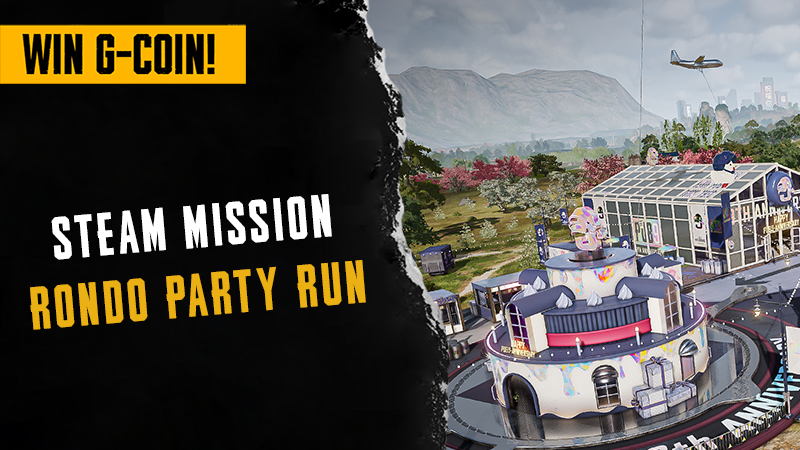
The Rondo Party Run and 9th Anniversary activations show PUBG leaning into event‑driven retention rather than pure content dumps. The Rondo protocol transforms the map into a celebration zone—Chicken Man, Lucky Egg, decorated lanes—while tying participation to a G‑Coin lottery.
The design here is subtle but smart:
- Single‑transmission submission rules (callsign + platform credentials once) reduce admin noise and abuse.
- Highlight logging pushes players to generate shareable content, feeding social loops.
Meanwhile, the broader 9-Year Combat Upgrade messaging positions now as the best time to drop in: refined gunplay, streamlined onboarding, and denser reward loops, especially on Xbox. The narrative: PUBG isn’t coasting on legacy; it’s being actively refit for the next cycle.
PGS 1–3: Circuit Format as a Meta Laboratory
On the esports front, PUBG Global Series 1 in Seongsu, Seoul, is doing more than handing out a trophy—it’s road‑testing a new competitive format that doubles as a design lab.
Circuit Structure: Long Memory, High Pressure
Instead of isolated tournaments, PGS 1–3 forms a continuous scoring circuit:
- 24 global squads enter a three‑week campaign.
- Results persist across Group Stage → Winners Stage → Survival Stage → Finals.
- Every bad rotate becomes long‑term debt on the leaderboard.
No live audience, just controlled conditions. That’s ideal for reading pure macro: rotations, circle management, and team psychology under compounding pressure.
Viewer Integration: Watch Time as Currency
Across all PGS 1 broadcast days, watch time on Twitch and Kick is converted into anniversary cosmetics:
- 30 minutes – 9th Anniversary Flamin' Cake spray
- 60 minutes – Cake & Confetti nameplate
- 90 minutes – 9th Anniversary Holo Cat Ears
This is classic live‑ops design: synchronize esports with in‑client identity rewards. For pubg: battlegrounds, it keeps casual players tethered to the evolving competitive meta, while offering a low‑friction on‑ramp into the scene.
From a development update standpoint, the circuit format gives Krafton a dense dataset of high‑skill matches across a sustained window. That’s invaluable for tuning weapons, circles, and ranked systems against real, high‑stakes behavior instead of lab conditions.
Strategic Takeaways for Players and Devs
For players, the message is clear: PUBG is entering a higher-discipline era. Cheaters face a tightening noose, ranked is poised to reward actual tactical intent, and live events are being used to bridge casual and competitive play.
For #gamedev and #indiegame teams watching from the sidelines, this week in PUBG: BATTLEGROUNDS reads like a case study in mature live service design:
- Treat anti‑cheat and security as core product pillars, not support tasks.
- Use esports circuits as systemic testbeds, not just marketing beats.
- Lean on seasonal, experiment‑driven roadmaps to evolve combat and economy design without fracturing your player base.
Nine years in, PUBG isn’t just maintaining a battle royale—it’s quietly iterating on how a long‑running competitive ecosystem should be run in 2026.
Sources and corrections
This archive entry does not have a verified article-source list. Images and video embeds alone are not evidence for every claim.
Found an error? Request a correction. Include the passage and a supporting source.