Automated archive / PUBG: BATTLEGROUNDS
PUBG’s 9th Anniversary Turns the Live-Service Dials to Max
PUBG: BATTLEGROUNDS just hit its 9th anniversary, and Krafton is quietly tightening every live-service screw behind the party fireworks. From Player-of-the-Day spotlights to map intel recalibration, this week’s ops are a masterclass in long-term battle royale stewardship.
AI-generated summary. This archive article does not have a current recorded source check. Check linked sources before relying on details. Editorial policy
Strategic Overview
PUBG: BATTLEGROUNDS just rolled into its 9th anniversary, and the live-service machine is running at full tilt. Across update 40.2, cross-platform anniversary ops, and a retooled store, Krafton is quietly tightening the game’s long-term retention loop while running a loud, party-forward marketing beat on top.
From a #gamedev and live-ops standpoint, this week isn’t about a single flashy feature. It’s about layered systems: recognition, rewards, anti-cheat, and map readability all nudged forward to keep a nine-year-old battle royale feeling tactically fresh and commercially efficient.
9th Anniversary: Event Design as Retention Engine
The 9th anniversary campaign isn’t just a birthday skin drop; it’s a multi-channel funnel.
In-Game Event Stack
The core anniversary ops (login bonuses, daily missions, and event chains) create a controlled “loot inflation” window. Players are pushed into:
- Daily logins for baseline engagement
- Mission cycling for repeat play sessions
- Time-limited cosmetics and contraband rolls that spike FOMO
From a systems design perspective, this is classic battle pass logic without the pass branding. It frontloads perceived generosity to re-engage lapsed users, then routes them into the updated store and long-term progression loops.
Cross-Platform Campaign: PUBGO9
The PUBGO9 operations protocol (March 12–April 7) extends beyond the client into Discord, Steam, and Reddit. Missions like Rondo sorties, drone show recon, and nostalgia-driven memory drops are engineered to:
- Drive UGC and social proof
- Seed highlight moments for marketing reuse
- Create a sense of “live festival” rather than a static anniversary sale
With over 400,000 G-Coin in the prize pool, Krafton effectively uses premium currency as marketing spend, trading virtual goods for community reach.
First-Contact Impressions Mission
The “First Party Impressions” mission (March 15–18) is a smart micro-beat: players drop in, observe the starting island statue, drone show, or any festive anomaly, then report back via comments with IGN + platform for a G-Coin lottery.
Design-wise, this:
- Forces players to look at the event art and skybox work
- Converts passive participation into measurable sentiment
- Creates a low-friction way to capture qualitative feedback on event presentation
For #indiegame teams watching from the sidelines, this is a scalable pattern: use simple, in-client spectacle plus out-of-client feedback loops to validate art direction and event resonance.
Player-of-the-Day: Soft-Power Progression & Social Optics
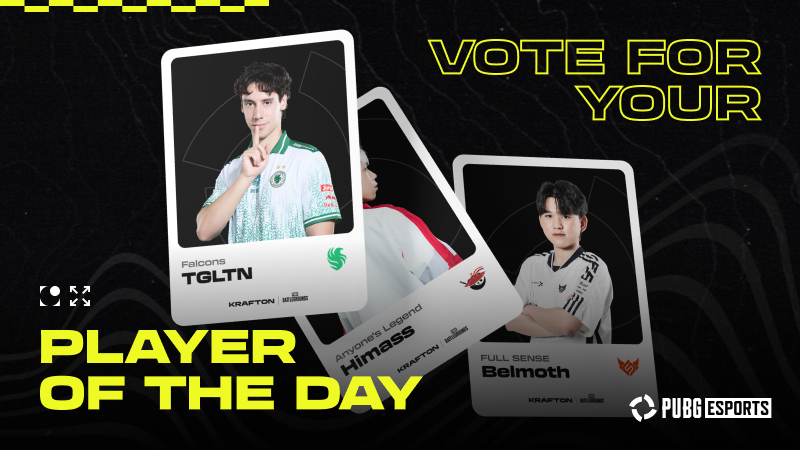
The newly deployed Player-of-the-Day system is the most interesting social design move in this cycle. Community voting surfaces a single operator per day for full-lobby exposure and enhanced profile visibility.
This is not a numerical buff; it’s a status buff. The likely impacts:
- Behavioral shift: Players chase standout plays and “visibility farming” instead of purely hidden MMR gains.
- Community cohesion: Recognition systems can offset some toxicity by rewarding positive social presence and highlight-worthy moments.
- Retention hook: Daily voting cycles create a reason to log in or at least check comms, even on low-play days.
For live-service #gamedev, this is a case study in non-monetary progression: no stats, just clout. Expect future iterations—seasonal titles, themed spotlights, or integration with esports broadcasts.
Update 40.2: Quiet but Critical Systems Calibration
Update 40.2 isn’t a headline-grabber, but it’s foundational.
Combat & Performance Tuning
Weapon balance, performance optimizations, and bug passes hit both ranked and casual modes. The key design implication: players are prompted to reassess loadouts and vehicle engagement rules.
These kinds of recalibrations are less about novelty and more about preventing meta stagnation. By adjusting survivability variables and reinforcing anti-cheat matrices, Krafton protects the competitive integrity that underpins every cosmetic sale.
Map Intel Recalibration
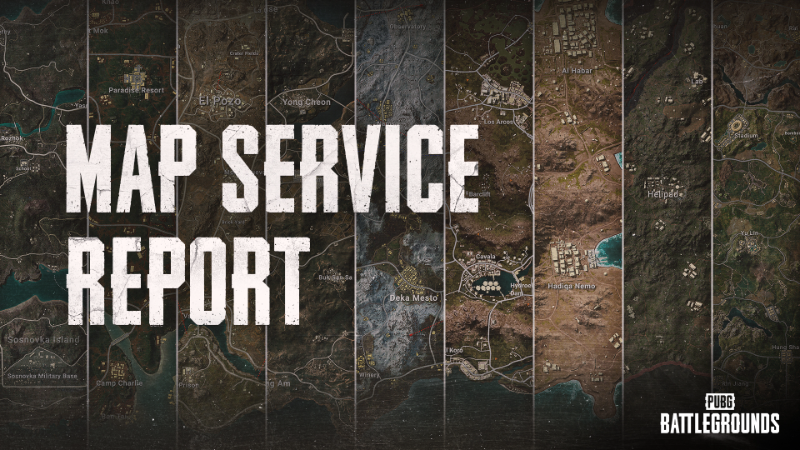
The map service report for 40.2 details subtle but meaningful changes across Deston, Rondo, and more:
- Biome blending to reduce visual fatigue
- Landmark density tweaks for cleaner navigation
- Sightline logic and terrain funnels for more intuitive rotations
This is classic “invisible #gamedev” work. Players may not immediately call out why rotations feel better, but macro decision-making becomes smoother. For teams building their own BR or extraction shooters, this is a reminder: small adjustments to sightlines and landmark clarity often outperform flashy new POIs in terms of long-term engagement.
Store Overhaul: Monetization UX as a Live-Service Feature
The March 2026 store update restructures the in-game shop into clearer categories with improved navigation and an archive-style locker for legacy gear.
Design and business implications:
- Transparency: Better visibility on rotating stock reduces frustration and increases trust.
- Lifecycle management: An archive for legacy cosmetics lets Krafton re-surface old items as nostalgia events, a proven revenue lever.
- Event alignment: With the 9th anniversary and PUBGO9 missions running, a cleaner store ensures players can instantly locate the cosmetics they just earned currency for.
For #indiegame studios, this is a reminder that monetization UX is not a one-and-done screen—it’s an evolving feature that must track player expectations and event cadence.
Anti-Cheat Ban Wave: Protecting the Economy of Fairness
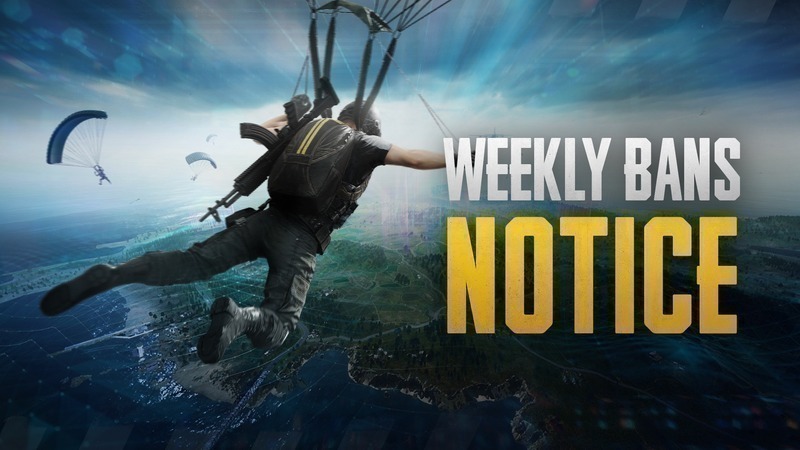
The weekly bans notice (covering March 2–8) is another part of PUBG’s recurring infrastructure ritual. Publicizing ban waves serves three overlapping goals:
- Deterrence: Visible enforcement raises the perceived risk of cheating.
- Reassurance: Legitimate players feel their time—and purchased cosmetics—are protected.
- Data signaling: Method and region breakdowns help the community understand risk maps and queue health.
In a game where every unfair death can become an uninstall moment, anti-cheat isn’t just security; it’s retention and revenue protection.
Tactical Takeaways for Developers
For studios watching PUBG: BATTLEGROUNDS from a #gamedev lens, this week’s operations highlight a few key patterns:
- Layered events (in-game + cross-platform) create a festival feel without requiring a full expansion.
- Social recognition systems like Player-of-the-Day can deepen engagement without touching power balance.
- Map and UX refinements, though subtle, compound over years into a smoother, more trusted experience.
- Public anti-cheat comms are as important as the tech itself.
Nine years in, PUBG is less about reinventing the battle royale and more about continuously tuning the live-service machine—one quiet systems patch, one party drone show, and one player spotlight at a time.
Sources and corrections
This archive entry does not have a verified article-source list. Images and video embeds alone are not evidence for every claim.
Found an error? Request a correction. Include the passage and a supporting source.