Automated archive / PUBG: BATTLEGROUNDS
PUBG’s Latest Ban Wave Redraws the Battleground Lines
PUBG: BATTLEGROUNDS has deployed a fresh ban wave covering Feb 2–8, targeting a large cluster of cheaters and reinforcing its commitment to fair play. This week’s enforcement sweep doubles as a live-ops signal flare, showing how Krafton is weaponizing data, telemetry, and communication to stabilize the long-term...
AI-generated summary. This archive article does not have a current recorded source check. Check linked sources before relying on details. Editorial policy
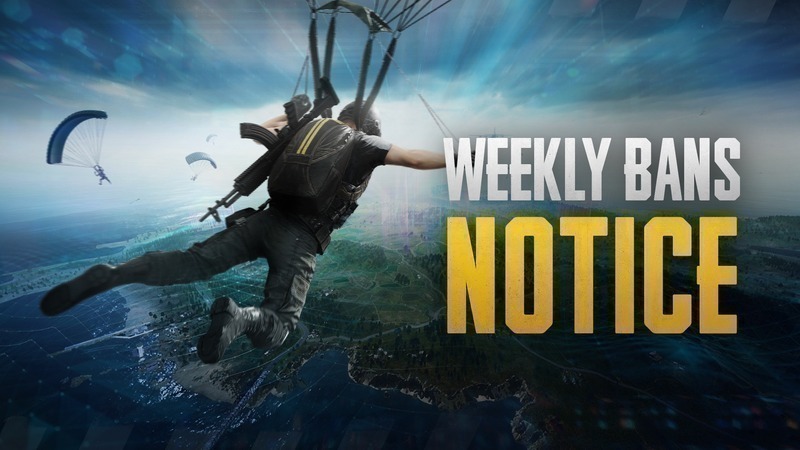
Sector Intelligence Report – PUBG: BATTLEGROUNDS (Week of Feb 2–8)
PUBG: BATTLEGROUNDS has fired off another precision strike against cheaters, rolling out a fresh ban wave covering activity from 02/02 to 02/08. While it reads like a routine security sweep on the surface, this operation is a crucial datapoint in how Krafton is evolving its live-service strategy, security stack, and long-term competitive health.
This week’s intel centers on one message: the ban hammer is no longer a deterrent—it’s an active, ongoing system of population control on the live servers.
1. Strategic Overview: Ban Wave as Live Ops Discipline
The latest official transmission outlines a ban wave targeting a “horde of rule-breakers” across PUBG’s ecosystem. While the exact figures aren’t in this briefing, the framing signals:
- Ongoing cadence – The communication window (02/02–02/08) suggests a recurring, almost weekly rhythm to enforcement.
- Visibility over silence – Krafton is not quietly banning; it’s publishing the effort. That’s a deliberate psychological and community-management tool.
- Reinforcement of competitive integrity – In a title where a single bad encounter can permanently sour a player, public ban reports are a retention strategy as much as a security one.
From a #gamedev perspective, this is textbook live-ops discipline: treat anti-cheat as a recurring content beat, not a background process.
2. Tech & Design: What This Implies About PUBG’s Security Stack
Even without raw numbers, the language around a “horde of rule-breakers” hints at:
2.1. Adaptive Detection Pipelines
PUBG’s anti-cheat layers likely blend:
- Behavioral analytics (unnatural recoil patterns, hit-rate anomalies, movement vectors)
- Client integrity checks (detecting memory injection, unauthorized DLLs, overlay tools)
- Server-side validation (cross-checking impossible line-of-sight or bullet trajectories)
For #indiegame developers studying pubg: battlegrounds as a case study, the key lesson is that server authority plus telemetry is non-negotiable in any competitive shooter. You don’t just detect cheats—you profile them, iterate, and feed that learning back into your detection models.
2.2. Data-Driven Ban Waves vs. Instant Bans
Wave-based bans serve two functions:
- Obfuscation: Cheaters can’t easily map which behavior triggered detection.
- Batch analysis: Developers can analyze clusters—specific cheat builds, regions, or queue types—before pulling the trigger.
That’s classic development update territory: the system evolves quietly behind the scenes, but the public-facing moment is the wave itself.
3. Community Impact: Trust, Retention, and the “Fair Match” Promise
A ban wave is more than a punishment mechanic—it’s a trust broadcast to the remaining playerbase.
3.1. Player Sentiment and Match Quality
Every visible ban wave does three things:
- Reassures legitimate players that their time investment is protected.
- Discourages low-commitment cheaters who rely on easily detectable tools.
- Raises the perceived cost of cheating, especially for paid or subscription-based cheat providers.
In a game like pubg: battlegrounds, where a single match can stretch 20–30 minutes, losing to a blatant cheater isn’t just frustrating; it’s time theft. Public ban reports are Krafton’s way of saying: we see it, we’re acting, and your next drop should be cleaner.
3.2. Esports and Competitive Ecosystem
For competitive circuits and ranked grinders, the signal is even stronger. Consistent ban waves:
- Protect the integrity of high-MMR lobbies.
- Support esports event qualifiers, where even one compromised match can skew brackets.
- Provide a narrative backbone for future competitive roadmaps: “These are the systems keeping your tournaments clean.”
4. Lessons for Developers: Anti-Cheat as a Product Feature
For studios tracking PUBG’s approach as part of their own #gamedev playbook, this week’s report reinforces a few best practices:
- Communicate enforcement, don’t just enforce. The messaging around the 02/02–02/08 ban wave is intentional—it turns security into content.
- Treat cheat detection as R&D. Every banned account is a datapoint, feeding into better detection, better heuristics, and better tooling.
- Align anti-cheat with UX. The end goal isn’t just fewer cheaters; it’s more satisfying matches, higher retention, and healthier monetization funnels.
Even if you’re building a smaller-scale #indiegame, the principle holds: fairness is a core feature, not a post-launch patch note.
5. Forward Outlook: What to Watch Next
Looking ahead, expect PUBG: BATTLEGROUNDS to:
- Maintain or increase the frequency of public ban wave reports.
- Sharpen region- or mode-specific enforcement, especially around ranked and popular queues.
- Potentially integrate more visible in-client messaging (e.g., security bulletins, ban stats) to reinforce the “fair battleground” narrative.
As the arms race between cheat developers and security teams escalates, these weekly or bi-weekly ban communications will be a key barometer of how aggressively Krafton is willing to iterate on its security tech and live-ops philosophy.
Bottom line: This week’s ban wave isn’t just housekeeping—it’s another step in redefining what long-term competitive integrity looks like in a mature battle royale.
Sources and corrections
This archive entry does not have a verified article-source list. Images and video embeds alone are not evidence for every claim.
Found an error? Request a correction. Include the passage and a supporting source.