Automated archive / PUBG: BATTLEGROUNDS
PUBG’s Latest Ban Wave Redraws the Battleground
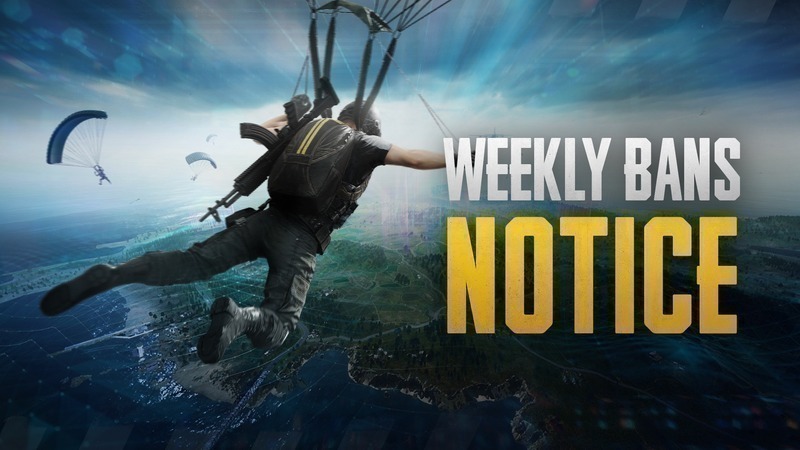
PUBG: BATTLEGROUNDS has just executed a fresh ban wave, targeting cheaters from 02/02 to 02/08 and tightening competitive integrity across the board. This week’s Sector Intelligence Report breaks down what that means for live-ops strategy, player trust, and the future of the battleground.
AI-generated summary. This archive article does not have a current recorded source check. Check linked sources before relying on details. Editorial policy
Weekly Sector Intelligence: Ban Hammer Protocols Go Live
The last seven days in PUBG: BATTLEGROUNDS have been defined by one thing: enforcement. From 02/02 to 02/08, the dev team executed a fresh ban wave targeting cheaters and exploit users, tightening the integrity of every drop zone from Erangel to Deston. While this might read like routine housekeeping on the surface, the timing and framing of this operation tell us a lot about how PUBG Studios is evolving its live-ops strategy and long-term #gamedev priorities.
At a glance, the message is simple: if you cheat, you’re gone. But underneath, this is a data-driven calibration of the game’s security stack, matchmaking health, and player trust—all crucial pillars for a live-service shooter still competing hard in 2026.
What This Ban Wave Signals About PUBG’s Development Priorities
1. Anti-Cheat as a Core Feature, Not a Background System
The latest communication frames the ban wave almost like a seasonal event—named, dated, and spotlighted. That’s not accidental. Treating enforcement as a front-facing feature rather than a silent backend operation is a deliberate development update choice.
From a production standpoint, that means:
- Ongoing investment into detection tooling, likely blending server-side behavior analysis with client-side checks.
- Regular iteration cycles on rule sets as cheat developers adapt.
- Telemetry pipelines that feed suspicious behavior patterns back into design and engineering.
In other words, anti-cheat for PUBG: BATTLEGROUNDS is being treated like an evolving product line, not a one-off patch.
2. Match Quality and Player Retention
Ban waves are also a retention mechanic. High-skill lobbies are disproportionately impacted by sophisticated cheats, and that can erode long-term engagement. By publicly time-stamping this wave (02/02–02/08) and pushing a clear “we’re tightening the noose” narrative, PUBG Studios is:
- Reassuring returning players who may have churned from perceived unfairness.
- Signaling to competitive and ranked-focused squads that their grind is protected.
- Reinforcing the fantasy of earning a chicken dinner, not scripting one.
For a mature shooter, maintaining that perception of fairness is often more important than any single new weapon or map update.
Reading Between the Lines: Tech and Design Implications
3. Data-Driven Design in a Live Battlefield
Every ban wave is also a research dump. The developers can mine:
- Heatmaps of exploit hotspots (specific buildings, rooftops, or terrain glitches).
- Weapon and item abuse patterns (e.g., recoil macros, rapid-fire scripts on semi-auto guns).
- Suspicious movement and aim signatures that inform future detection heuristics.
This feedback loop can influence design decisions: smoothing out geometry that’s easily exploited, adjusting recoil curves that are especially macro-prone, or tweaking how the netcode validates movement.
For other #indiegame and #gamedev teams watching from the sidelines, PUBG is effectively running a large-scale case study in how to fuse security telemetry with design iteration.
4. Competitive Integrity and Esports Readiness
Even if this particular report doesn’t name esports directly, ban waves in the general population protect the competitive ecosystem indirectly:
- Ranked ladders become more trustworthy as a scouting tool for orgs.
- Tournament scrims are less polluted by undetected cheaters.
- The skill curve looks more authentic, which matters for both broadcast and grassroots events.
For a title like PUBG: BATTLEGROUNDS, which has a long history in the battle royale esports space, this kind of consistent enforcement is non-negotiable if the game wants to keep tournament ecosystems healthy.
Community Impact: Trust, Transparency, and Player Perception
5. Messaging Matters as Much as the Bans
The wording around this ban wave—“tightening the noose,” a “horde of rule-breakers,” and explicit date ranges—leans into a high-clarity, low-ambiguity style of communication. That’s smart. Players don’t just want bans; they want to see that bans are happening and understand that enforcement is ongoing.
This transparency accomplishes a few key things:
- Discourages would-be cheaters by broadcasting real consequences.
- Builds goodwill with legit players who feel their time is being respected.
- Frames enforcement as a continuous operation, not a sporadic clean-up.
6. What to Watch Next
While this week’s intel focuses on the ban wave from 02/02 to 02/08, the real story will play out in the coming weeks:
- Do we see follow-up stats breaking down the number of accounts banned and the main categories of violations?
- Will there be tweaks to ranked matchmaking or new reporting tools to capitalize on cleaner lobbies?
- Could this tie into a broader seasonal development update, perhaps bundling anti-cheat improvements with balance patches or new content drops?
For now, the message from PUBG Studios is clear: the battleground is being actively curated. In a live-service era where trust is as valuable as any new gun or map, consistent, visible enforcement may be one of PUBG: BATTLEGROUNDS’ most important features in 2026.
Sources and corrections
This archive entry does not have a verified article-source list. Images and video embeds alone are not evidence for every claim.
Found an error? Request a correction. Include the passage and a supporting source.