Automated archive / Pragmata
Pragmata Turns the Moon into a Systems-Heavy Warzone
Capcom’s Pragmata is emerging as a systems‑heavy lunar warzone built on strict resource economies, live‑fire hacking, and unapologetically visible mechanics. This week’s intel shows a sci‑fi action project that rejects cinematic autopilot in favor of deliberate, tactical play.
AI-generated summary. This archive article does not have a current recorded source check. Check linked sources before relying on details. Editorial policy

Sector Intelligence Report // Pragmata
Capcom’s Pragmata is coming into focus as a tightly engineered sci‑fi operation that cares less about cinematic passivity and more about visible, mechanical friction. Over the last week, new intel has locked in a clear picture: this is a PS5‑first action project that leans into its own videogame-ness—gravity‑bent firefights, strict resource economies, and overt systems that want to be read, not hidden.
This report consolidates the latest development update signals into a single field brief for designers, systems nerds, and anyone watching how big‑budget #gamedev is evolving.
1. Orbital Overview: The 90-Second Mission Brief
Capcom’s new 90‑second overview trailer frames Pragmata as a high‑risk rescue op on a fractured lunar environment. The player runs EVA maneuvers in a high‑tech exosuit, escorting and protecting a mysterious girl linked to a large‑scale anomaly that’s literally tearing the environment apart.
Watch: Transmitting Gameplay footage from the field: Pragmata official overview trailer
Key takeaways from the overview:
Fragmented Moon as a Designed Arena
- The lunar surface isn’t just backdrop; it’s a modular arena of floating debris, broken infrastructure, and shifting gravity vectors.
- Level chunks appear designed to telegraph traversal routes—clear read on where you can double‑jump, grapple, or reorient mid‑air.
- Expect a constant push‑pull between open, spectacle‑driven set pieces and tighter, corridor‑like spaces tuned for controlled encounters.
Exosuits as Rulesets, Not Just Cosmetics
The exosuit isn’t simply armor; it’s a visible ruleset:
- Movement, survivability, and even puzzle verbs (lifting, shielding, hacking interfaces) are clearly bound to the suit’s capabilities.
- This gives designers a clean lever for pacing: upgrades or temporary malfunctions can hard‑gate routes or change encounter tempo without resorting to invisible scripting.
For #gamedev observers, this is a classic example of fiction justifying mechanics: the suit explains why the player can survive vacuum, manipulate gravity, and interface with enemy tech, while giving the team a systemic backbone to build around.
2. Combat & Cybernetics: Methodical Violence Over Mindless Fire
A fresh interview with director Yonghee Cho and producer Naoto Oyama makes it clear: Pragmata is not a spray‑and‑pray shooter. It’s a methodical combat sim where every bullet and battery tick is part of a visible economy.
Watch: Transmitting Gameplay footage from the field: Pragmata combat systems and lunar firefights
Precision Gunplay with Resource Triage
- Encounters are built around strict ammo and energy budgets, punishing sloppy inputs.
- The design goal: teach the player to read enemy types and arenas quickly, then commit to a plan instead of improvising via endless ammo.
- Expect a loop closer to survival‑action than pure power fantasy—risk vs. expenditure is the core mental math.
From a systems design lens, this is a deliberate rejection of the infinite‑magazine blockbuster. By surfacing scarcity, Capcom is encouraging players to treat every fight as a mini tactical puzzle, not a disposable encounter.
Hacking as Live-Fire Reconfiguration
The interview also outlines on‑the‑fly hacking of enemy tech:
- Enemies and environmental systems double as reconfigurable tools—turrets can be flipped, drones repurposed, and hardpoints overcharged.
- The key difference from traditional “press X to hack” set pieces is tempo: Pragmata wants this to happen during combat, not in a safe, quarantined mini‑game.
For #gamedev practitioners, this is notable because it blurs the line between combat and puzzle design. The same system that powers environmental problem‑solving appears to be active in firefights, suggesting a unified interaction layer rather than bespoke one‑off scripts.
3. Embracing Videogame-ness: Loud Systems, Visible Spectacle
One of the more revealing intel drops describes Pragmata as a game that “loves being a video game.” That’s not just marketing language; it’s a design philosophy.
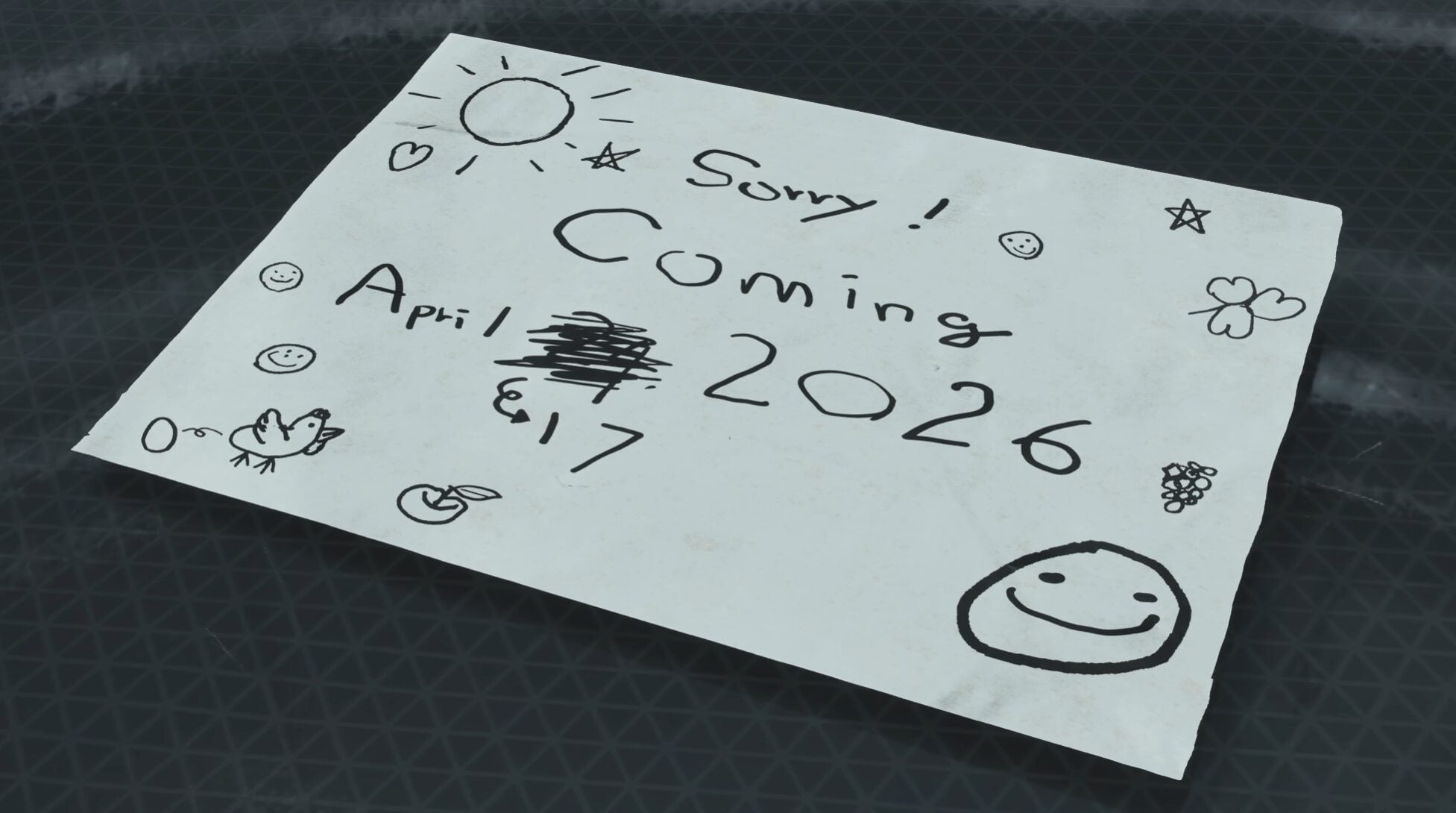
Set-Piece Engineering, Not Cinematic Camouflage
- Encounters are boldly staged, with clear choreographies: collapsing platforms, gravity‑flip arenas, and enemy waves that announce their role in the sandbox.
- Instead of hiding health bars, weak points, and interaction prompts, Pragmata leans into legibility—the player is meant to see the gridlines of the holodeck.
This is a sharp contrast to the “cinematic realism” trend. Capcom is signaling to players: this is a constructed simulation—learn it, break it, exploit it.
A Big-Budget Lesson for #indiegame Designers
While Pragmata itself isn’t an #indiegame, its design posture is deeply relevant to smaller teams:
- Visible systems scale better: when mechanics are clearly surfaced, they’re easier to expand, remix, and communicate, even with limited content budgets.
- Spectacle doesn’t require opacity: you can still deliver jaw‑dropping moments while keeping your verbs and rulesets honest and readable.
Indie teams watching this project can lift a key lesson: don’t be afraid to show the wires. If your mechanics are strong, exposing them can be a strength, not a weakness.
4. Strategic Outlook: What This Signals for Pragmata’s Launch Trajectory
With this week’s intel, Pragmata now reads as:
- A systems‑forward sci‑fi action game with an emphasis on resource tension and tactical planning.
- A showcase for exosuit‑driven traversal and combat, where the lunar setting is a mechanical playground, not just a skybox.
- A counter‑programming move against ultra‑cinematic, low‑friction blockbusters—Pragmata wants players to feel the constraints.
For the broader #gamedev ecosystem, Pragmata’s trajectory is important. If Capcom can land a commercially successful title that openly embraces visible mechanics, hard resource limits, and loud systemic design, it gives cover for more studios—AAA and #indiegame alike—to step away from purely cinematic design and back toward readable, replayable systems.
As more intel drops, the key watchpoints will be:
- How far Capcom pushes difficulty and scarcity before mainstream audiences push back.
- Whether the hacking and environmental puzzles truly integrate into combat, or collapse into one‑off set pieces.
- How the escort dynamic around the mysterious girl shapes mission pacing and narrative stakes.
For now, Pragmata stands as one of the most interesting large‑scale experiments in systems‑literate sci‑fi action on the near‑term horizon.
Sources and corrections
This archive entry does not have a verified article-source list. Images and video embeds alone are not evidence for every claim.
Found an error? Request a correction. Include the passage and a supporting source.