Automated archive
Pokémon Crashes the Super Bowl: What Devs Can Learn From a Planet-Scale IP Flex
Pokémon’s Super Bowl crossover turned a 30-second ad into a live case study in emotional IP design, pairing global celebrities with their favorite creatures. For game developers, it’s a sharp reminder that character affinity and personal storytelling can be more powerful than any feature patch.
AI-generated summary. This archive article does not have a current recorded source check. Check linked sources before relying on details. Editorial policy
Sector Intelligence Report: Pokémon – Week of Feb 9, 2026
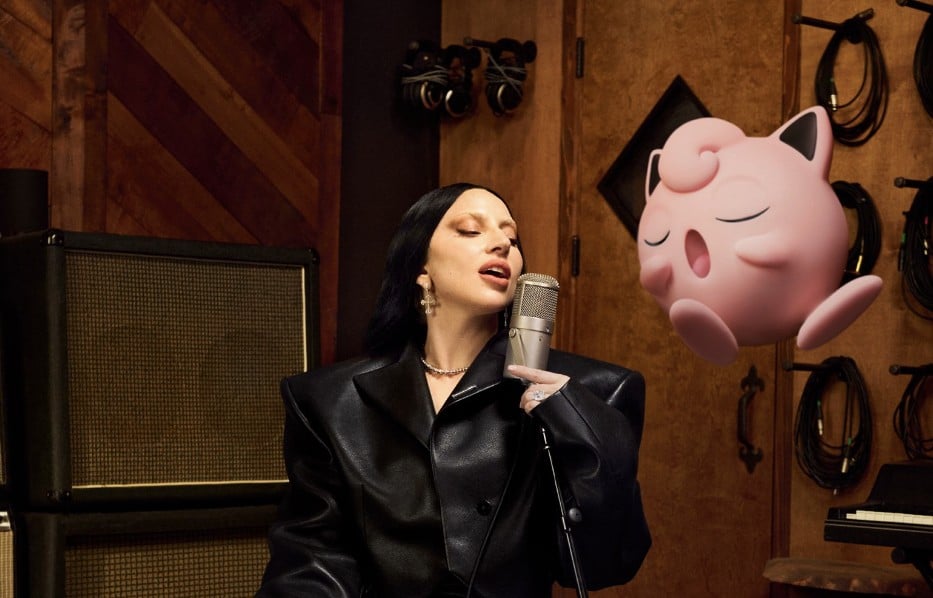
Pokémon just executed one of the most potent IP dominance plays in recent memory: a Super Bowl ad that treats its characters like global pop icons and its fans like co-authors of the brand. Lady Gaga, Lamine Yamal, Jisoo, Trevor Noah, and others each appeared alongside their favorite Pokémon, effectively turning a 30-second commercial into a live masterclass in emotional IP design.
This wasn’t just a nostalgia blast—it was a deliberate demonstration of how character affinity, personal storytelling, and cultural crossovers can extend a game universe far beyond its core medium. For #gamedev teams and #indiegame creators, this is signal, not noise.
1. Character Affinity as a Design Primitive
The ad’s core mechanic is simple: each celebrity picks “their” Pokémon. That single choice does a lot of heavy lifting:
- Instant identity mapping: Lady Gaga with Jigglypuff is more than a gag; it’s a shorthand for shared traits—performance, vocal power, theatricality. The audience doesn’t just see a monster; they see a mirror.
- Low-friction onboarding: Even non-players can grasp the relationship format: person → favorite creature → implied personality match. That’s onboarding to the Pokémon universe without a tutorial.
- Replayable emotional loop: Fans are already asking, “What would my favorite Pokémon be?” That mental exercise is the same loop that makes starter choice in the games so sticky.
For developers, this is a reminder: if your world doesn’t enable players to say “this is me” through characters, cosmetics, or roles, you’re leaving long-term engagement on the table.
2. Personal Stories as Worldbuilding Infrastructure
The ad quietly reframes the Pokémon world as a social layer over real life. Celebrities aren’t visiting Kanto; Kanto is visiting them. That has implications for how we think about narrative design:
- Transmedia as a feedback loop, not a billboard: The spot doesn’t lore-dump. Instead, it invites viewers to project their own stories onto the creatures, which then feeds back into how players interpret the games.
- Micro-narratives over macro-lore: We don’t learn any new canonical facts about pokémon biology or regions. What we get are tiny, personal vignettes—Gaga and Jigglypuff as performance partners, Yamal and his pick as competitive spirits. These are bite-sized, meme-ready story units.
For #indiegame teams without Pokémon-scale budgets, the takeaway is clear: you don’t need a cinematic universe, you need a format that lets fans attach personal meaning to your characters and then share that meaning socially.
3. Cultural Reach as a Design Constraint
By activating during the Super Bowl, Pokémon is operating under a brutal constraint: the message must land for lifelong fans, lapsed players, and total outsiders in under a minute.
Key design lessons:
- Readable silhouettes, readable emotions: The creatures chosen are visually iconic and emotionally legible at a glance. That’s not just art direction—it’s UX for a mass audience.
- Zero mechanics, all meaning: No battle systems, no stats, no UI. The ad leans entirely on emotional recognition. That’s a reminder that the fantasy of your game must be understandable even when stripped of systems.
- Brand as a platform for collaboration: By pairing with celebrities, Pokémon demonstrates that its IP is flexible enough to plug into other personal brands without losing coherence. That’s the holy grail for any long-running franchise.
4. Strategic Takeaways for Devs
Even with a tiny fraction of Pokémon’s resources, studios can adapt the underlying strategies:
- Design for “favorite” status: Build at least one character, weapon, class, or pet that can plausibly become someone’s favorite. Distinct silhouettes, strong thematic hooks, and clear emotional roles are critical.
- Encourage creator co-ownership: Let streamers, artists, and community members publicly “claim” or “partner with” in-game entities. Highlight those bonds in your own marketing beats.
- Think beyond the game client: Pokémon’s Super Bowl play is a reminder that the most powerful development update isn’t always a patch note—it’s a cultural moment that reframes how players feel about logging back in.
In a week where many studios quietly pushed minor patches, Pokémon broadcast a different kind of development update: proof that when your characters live rent-free in global culture, every ad is also a content drop.
Sources and corrections
This archive entry does not have a verified article-source list. Images and video embeds alone are not evidence for every claim.
Found an error? Request a correction. Include the passage and a supporting source.