Automated archive
Super Bowl, Super IP: What Pokémon’s Celebrity Signal Teaches Devs About Emotional IP Design
Pokémon’s Super Bowl ad turned celebrity fandom into a live demo of emotional IP design at planetary scale. Here’s what gamedev and indiegame teams can steal from its character-first strategy.
AI-generated summary. This archive article does not have a current recorded source check. Check linked sources before relying on details. Editorial policy
Sector Intelligence Report: Pokémon’s Super Bowl-Scale Signal
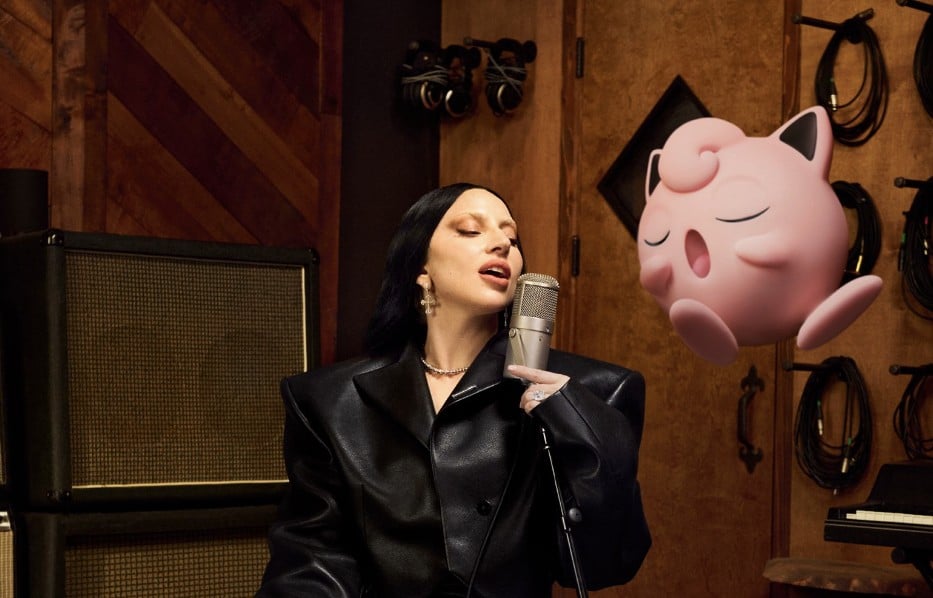
The Pokémon universe just hijacked one of the loudest broadcast channels on Earth: the Super Bowl. In a new ad, global icons like Lady Gaga, Lamine Yamal, Jisoo, and Trevor Noah appear alongside their favorite pokémon, turning a standard brand spot into a live masterclass in emotional IP design. This isn’t just a marketing beat; it’s a design pattern every #gamedev and #indiegame team should be dissecting.
Signal 1: Character Affinity as Core Game System
The ad’s core mechanic is simple: celebrity × favorite pokémon. Each pairing functions like a character-select screen with an emotional payload. Lady Gaga with Jigglypuff, for example, instantly communicates playfulness, performance, and a slightly chaotic energy. It’s shorthand storytelling.
For developers, the lesson is clear:
1. Build Characters to Be Chosen, Not Just Seen
Pokémon has spent decades designing creatures that invite projection: cute, cool, weird, elegant, chaotic. The Super Bowl spot simply harvested that groundwork. When viewers see celebrities choosing pokémon, they’re really watching a social proof loop: “If Gaga has a favorite, I should too.”
Actionable takeaways for your next development update:
- Design at least one character per strong emotional archetype (protector, trickster, mentor, chaos gremlin, comfort mascot).
- Make “Who’s your main?” part of your community language from day one.
- In devlogs, highlight how players gravitate to specific characters—turn that into content, not just telemetry.
2. Personal Stories > Feature Lists
The ad doesn’t talk about stats, regions, or metagame. It talks about relationships. That’s an important design signal. Systems matter, but what scales culturally is the story of, “This is my partner, this is why I love them.”
For #gamedev teams:
- When posting a development update, frame new units, companions, or weapons as relationships players will form, not just tools they will use.
- Encourage your community to explain why they love a character in their own words; quote those in patch notes and trailers.
Signal 2: IP as a Cultural API
Pokémon isn’t just a franchise; it’s an API that celebrities can plug their identities into. Gaga doesn’t bend to the pokémon world—Jigglypuff bends to hers. That’s why the ad feels like a cultural sync, not a sponsorship.
Key structural insight for IP-building:
- Modular identity: Each pokémon carries a strong, readable identity that can sit next to any human persona without clashing.
- Low-lore onboarding: You don’t need to know Jigglypuff’s entire Pokédex history to get the visual joke and emotional tone.
For #indiegame creators:
- Design your world so outsiders (streamers, musicians, athletes) can “dock” their persona into your IP with minimal lore friction.
- Keep one-sentence identity hooks for each major character: “Runaway healer who refuses to heal jerks,” or “Sword that is terrified of combat.”
Signal 3: Planetary-Scale Emotional Resonance
The Super Bowl ad is a rare moment where game IP, sports, music, and global celebrity all align. The underlying blueprint:
- Long-term character consistency (decades of pokémon identity signals).
- Visual clarity at a glance (silhouette, color, expression doing heavy lifting).
- Emotional repeatability (fans can re-enact the “me and my favorite pokémon” dynamic forever on social).
For your next development update, think beyond patch notes:
- Showcase fan or team “favorite character” spotlights in short, high-impact clips.
- Anchor marketing beats around relationships (player × character, streamer × build, dev × bug they secretly love) instead of just new content.
Strategic Takeaways for Devs
- Design for attachment, then for balance. Pokémon proves that if players love their companion, they’ll tolerate balance passes, nerfs, and meta shifts.
- Codify “favorite” as a feature. Build UI, achievements, or cosmetics around declaring and displaying favorites.
- Think of your IP as collaboration-ready. If your world can’t easily accommodate a musician, athlete, or VTuber persona, you’re leaving cultural reach on the table.
Pokémon’s Super Bowl signal is more than a flex; it’s a blueprint. The franchise has turned character affinity into a planetary-scale game mechanic. The question for every #gamedev and #indiegame team watching from the sidelines is simple: when your moment comes—whether it’s a tiny Steam Next Fest slot or a surprise shoutout from a mid-tier streamer—will your characters be ready to be chosen, not just noticed?
Sources and corrections
This archive entry does not have a verified article-source list. Images and video embeds alone are not evidence for every claim.
Found an error? Request a correction. Include the passage and a supporting source.