Automated archive / Pokémon Pokopia
Pokémon Pokopia’s 2.2M Launch, Late‑Game War Rooms, and Resource Economy Exposed
Pokémon Pokopia has smashed through 2.2 million sales in four days, spiking Nintendo’s stock and proving that a city‑builder‑grade resource meta can coexist with classic monster collecting. This week’s Sector Intelligence Report dissects its onboarding funnel, late‑game war room, and what its economic design means...
AI-generated summary. This archive article does not have a current recorded source check. Check linked sources before relying on details. Editorial policy
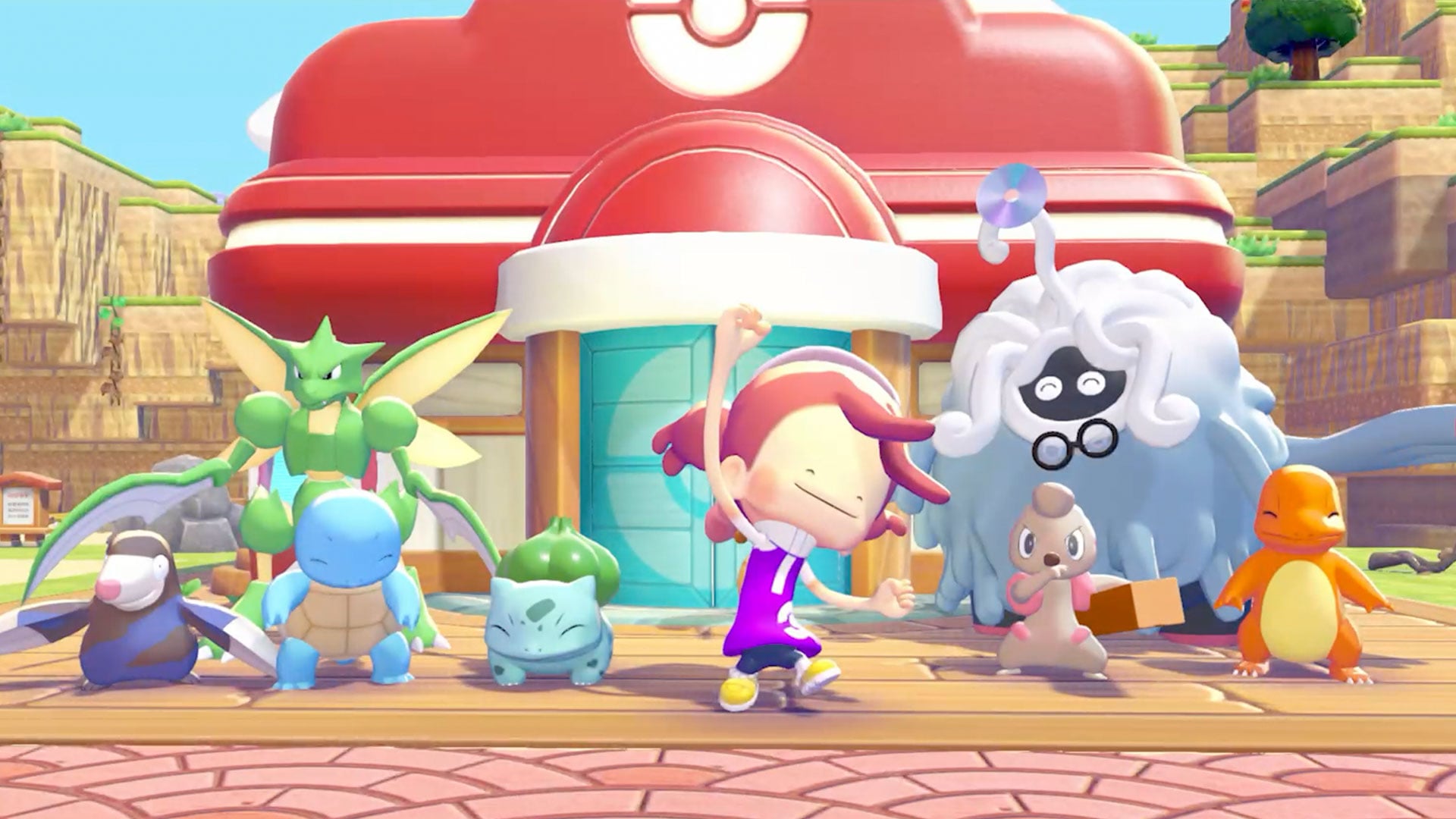
Sector Overview: Pokopia Breaches 2.2M and Rewrites Nintendo’s Week
pokémon pokopia has detonated out of the gate with 2.2 million units sold in just four days, instantly turning a cautious market into a feeding frenzy. Nintendo’s share price spiked between 10.5% and 15% over a 48‑hour window, effectively reversing a prior 40% drawdown and signaling that this IP still commands systemic confidence. For #gamedev teams watching from the sidelines, Pokopia is now a live case study in how a familiar monster‑collecting loop can still move hardware, stock, and sentiment when tuned for mobile‑first, session‑based play.
The launch window data paints a clear picture: this is not a quiet spin‑off. It’s a full‑scale commercial offensive that’s already warping competitor roadmaps. Studios in the #indiegame and AA space should be recalibrating their 2026–2027 live‑service plans around what Pokopia is normalizing: short-session onboarding, deep long‑tail optimization, and a resource economy that behaves more like a city‑builder than a traditional JRPG.
Early-Game Telemetry: Mobile-First Design, Console-Grade IP
Onboarding as a Soft Launch Funnel
The first 30 minutes of pokémon pokopia are deliberately low intensity: exploration, early captures, and tutorial‑grade engagements. Telemetry from the field suggests a design tuned to minimize friction—UI clarity, short loops, and bite‑sized objectives that feel engineered for handheld and mobile-adjacent play patterns. This is Pokémon as a daily routine, not a weekend marathon.
From a #gamedev perspective, Pokopia’s opening is textbook funnel design. It front‑loads clarity and charm while deferring complexity, effectively onboarding a mass audience into what later reveals itself as a dense optimization sim. That duality—casual surface, hardcore underbelly—is where most competitors will struggle to keep pace.
Mood as a System, Not a Cosmetic
The mood system, showcased via DJ Rotom’s vibe‑driven events, doubles as a soft tutorial for player agency. Chaining interactions, feeding specific dishes, and triggering emotional set‑pieces teaches players that every micro‑choice can ripple across their grid. This is behavioral conditioning in design form: Pokopia quietly trains you to think in systems from hour one.
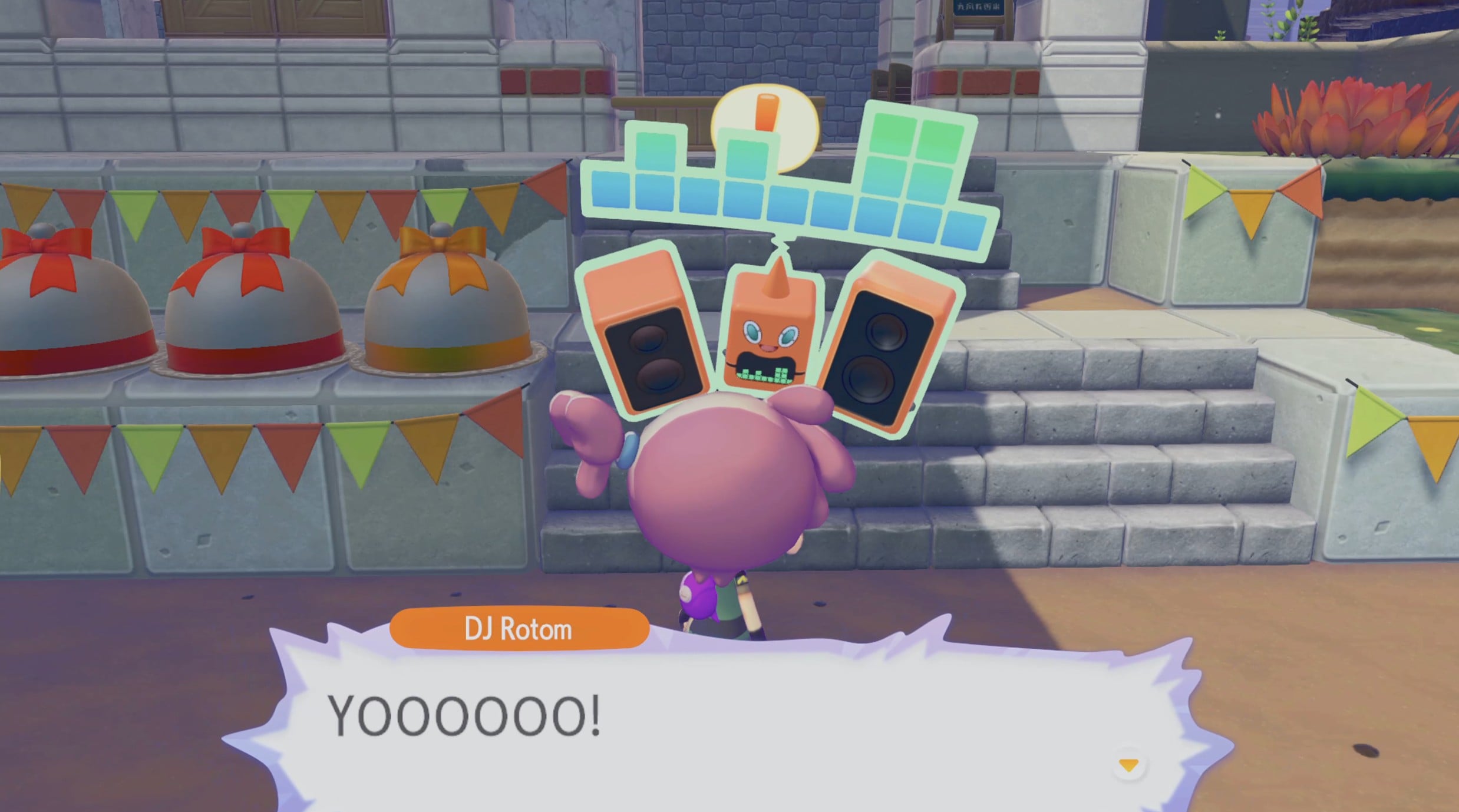
For developers, it’s a reminder that social‑adjacent mechanics don’t need leaderboards or chat to matter; they can be embedded in AI reactions, environmental feedback, and reward tuning.
Mid-Game Economy: Bricks, Concrete, Ice and the New Resource Meta
Structural Currencies as Progression Gating
Once players push past the tutorial haze, the real shape of pokémon pokopia’s economy emerges. Bricks, Concrete, and Ice Blocks operate as structural currencies—resources that gate not just cosmetic upgrades but the very efficiency of your island’s infrastructure.
Bricks power up buildings and facilities, Concrete becomes the backbone of advanced city layouts, and Ice Blocks fuel production chains and delivery systems. The result is a meta where your Pokédex and your logistics network feel equally important. You’re not just catching; you’re running a miniature industrial complex.
This is a notable pivot for the franchise. Instead of XP curves and badge gates, Pokopia leans on construction throughput, crafting loops, and facility optimization. For #indiegame city‑builders and life‑sim devs, this is both a validation and a warning: Nintendo is now playing aggressively in your lane, and they’re bringing one of the most valuable IPs on the planet with them.
Dev Island: Transparent Tools as Player Content
The hidden developer island—accessible via a specific code—functions as a meta‑design lesson. By exposing internal layouts, item setups, and structural compositions, Pokopia turns its own dev sandbox into aspirational content. Players effectively study official builds, then iterate on them in their own islands.
Watch: Transmitting Gameplay footage from the field: Official Pokémon Pokopia systems showcase
For #gamedev teams, this is a sharp tactic: instead of hiding your tools, you surface a curated slice of them as endgame content. It blurs the line between developer and player, while quietly teaching your audience how your systems really work.
Late-Game War Rooms: Endgame as RTS Micro
Procedural Pocket Warzone
After 60 hours of controlled immersion, Pokopia’s endgame reveals itself as a high‑intensity optimization puzzle. Trainers are micro‑managing creature rotations, cooldown windows, and map control patterns that resemble a lightweight RTS. Efficiency isn’t optional; it’s the core loop.
The late game is where the resource triad (Bricks, Concrete, Ice Blocks) collides with legendary routing, quest chains, and facility scaling. Players who mastered early mood systems and mid‑game logistics are rewarded with a sandbox where every second and every tile placement matters.
Legendary Routing and One-Shot Windows
The Legendary and Mythical grid is fully mapped, but access is anything but trivial. Lugia and Ho‑Oh, in particular, highlight Pokopia’s appetite for precision design.
- Lugia demands Silver Feathers, specific encounter triggers, and carefully optimized pathing through late‑game zones. Missing a flag or misallocating resources can set you back hours.
- Ho‑Oh flips the script with a one‑shot capture window: clear designated encounter chains, unlock sky routes, and come prepared with status control and tuned ball loadouts. There’s no casual retry loop here.

From a design standpoint, these encounters are signaling a shift away from pure RNG and toward choreographed, almost raid‑like experiences. They reward planning over grinding, and they dovetail cleanly with the war‑room mentality of the wider endgame.
Live-Service Hooks: Mystery Gifts, Fashion, and Retention Design
Mystery Gifts operate as classic login cadence tools—time‑limited codes and item bundles that keep players checking in. But Pokopia layers on a surprisingly deep wardrobe system: outfits are fully indexed, each with specific unlock conditions tied to activities, progression milestones, or exploration.
This dual hook—power via gifts, identity via fashion—gives Nintendo a robust retention stack without leaning on aggressive monetization. For teams exploring live‑ops, Pokopia is a reminder that cosmetics plus smartly timed rewards can be enough when your core loop is already sticky.
Structural Integrity: Strong Commerce, Imperfect Craft
The review telemetry is clear: pokémon pokopia is a tactical remix rather than a generational leap. Exploration and capture cycles are functional but not flawless; pacing, UX clarity, and challenge curves occasionally drift from Nintendo’s usual polish.
Yet the market response—2.2M units in four days and a double‑digit stock rally—proves that a “serviceable operation” can still be a commercial juggernaut when it’s backed by sharp systems design and a globally dominant IP. For #gamedev observers, that may be the most important lesson of this week’s sector scan: perfection is optional, but coherent systems, strong theming, and disciplined retention design are not.
As Pokopia’s live‑service calendar comes into focus, the real test will be whether Nintendo can maintain this war‑room intensity without overwhelming the broader audience that its gentle onboarding so successfully captured.
Sources and corrections
This archive entry does not have a verified article-source list. Images and video embeds alone are not evidence for every claim.
Found an error? Request a correction. Include the passage and a supporting source.
Your games, in one place
Keep up with Pokémon Pokopia
Follow this game to collect its posts in your personal feed. Come back to see what you missed.
More to read about Pokémon Pokopia
- Source-checked briefPumpkaboo event begins in Pokémon Pokopia
Pumpkaboo’s Sweet Surprises runs from October 17 at 5:00 a.m. to November 1 at 4:59 a.m. local time. Players can collect pumpkin candy for event furniture, befriend Pumpkaboo, and create a...