Back to guides and news
Gaming
March 9, 2026
Sector Intelligence Report // Pokémon Pokopia: Mood Loops, Metacritic Shockwaves, and the Rise of the Resource RTS
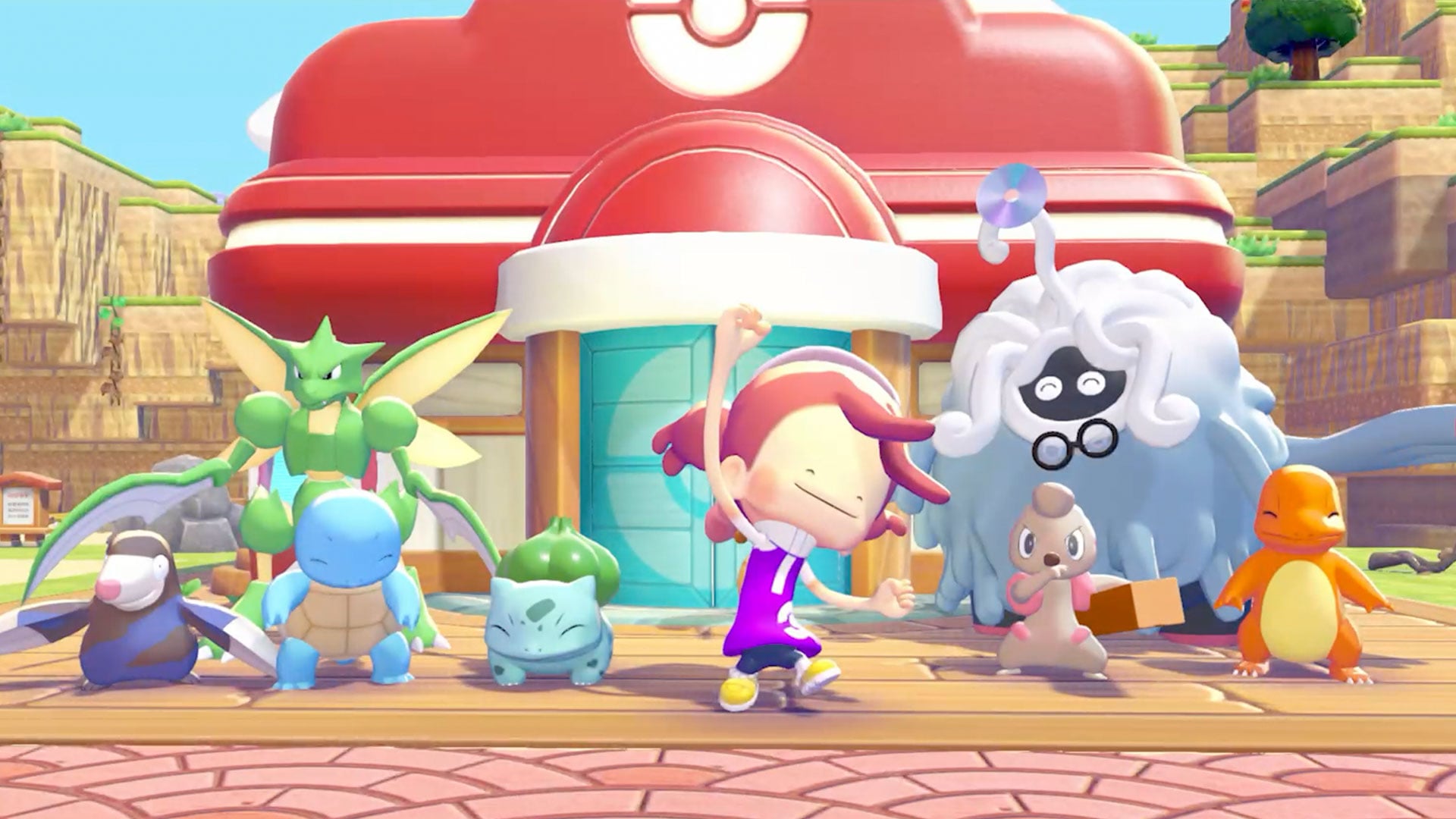
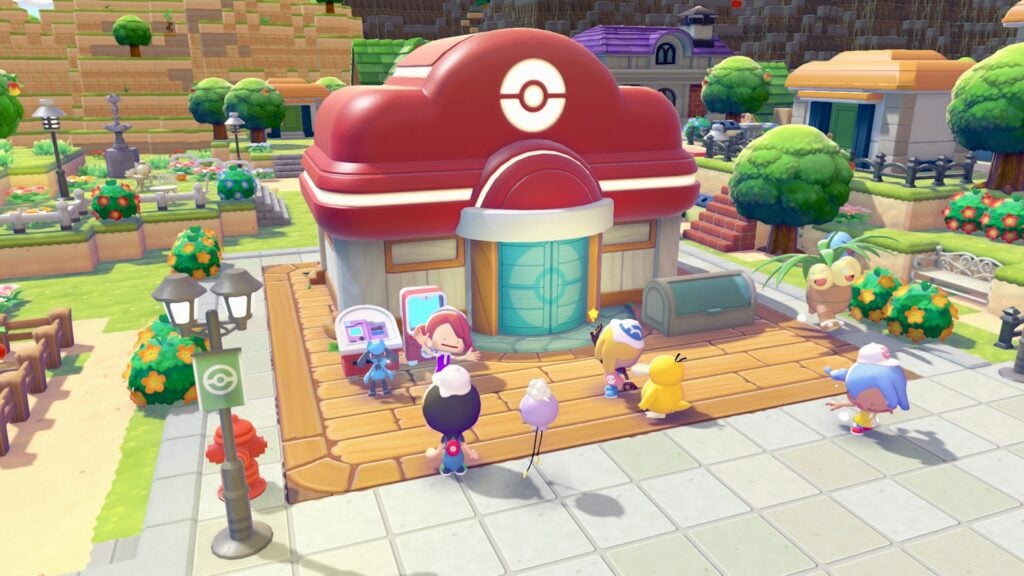
Primary field visual: Pokémon Pokopia island overview
Operational Overview: Pokopia Becomes the New Benchmark
pokémon pokopia just pulled off what looked impossible on paper: it’s currently the highest‑rated Pokémon game ever on Metacritic, a data point that instantly reframes the project from “experimental spin‑off” to new design template for the series. For #gamedev and #indiegame teams watching from the sidelines, Pokopia’s sudden critical overperformance is a case study in how a life‑sim layer and tight session design can outscore mainline nostalgia.
The last week of field intel shows a clear pattern: players are no longer just “catching ‘em all”, they’re running a small‑scale live‑ops machine. Resource routing, mood optimization, and traversal unlocks are emerging as the real endgame, and the community is already treating Pokopia like an approachable RTS disguised as a cozy island sim.
Systems Snapshot: From Cozy Island to Micro‑RTS
Endgame as War Room
Reports from a 60‑hour immersion and dedicated endgame analysis frame pokémon pokopia’s late game as a procedural pocket warzone. Once the tutorial haze lifts, trainers are:
- Rotating Pokémon specialties to keep farms, cafés, and facilities on cadence.
- Micro‑managing cooldowns and map control like an RTS, not a turn‑based RPG.
- Planning routes around resource nodes (Fluff, Bricks, Concrete, Ice Blocks) rather than just rare spawns.
This is where the design quietly pivots: the “fun” isn’t just in the encounters, it’s in the logistics. Every specialty chart and facility chain becomes a tuning knob for throughput.
Mood as a Core Economy
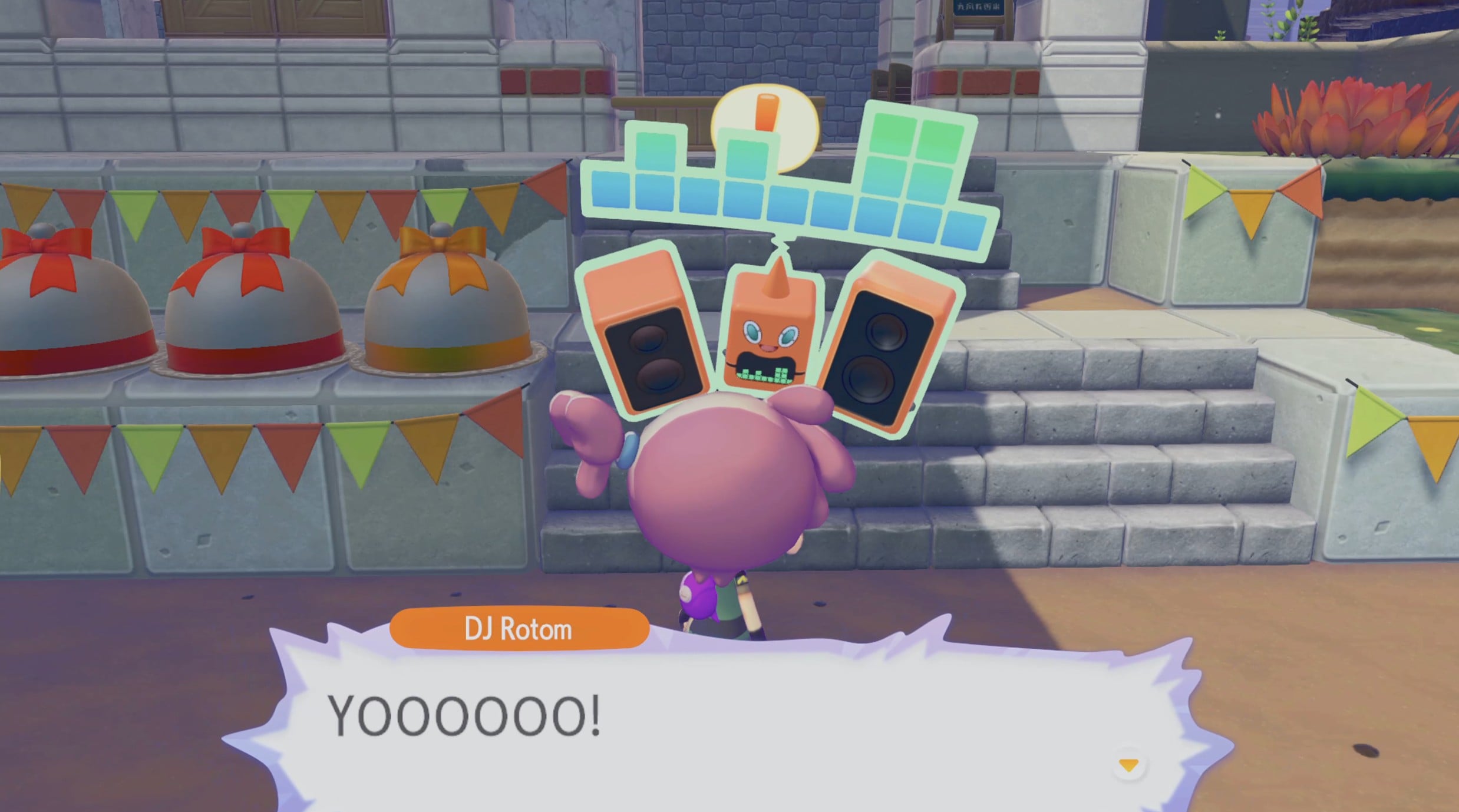
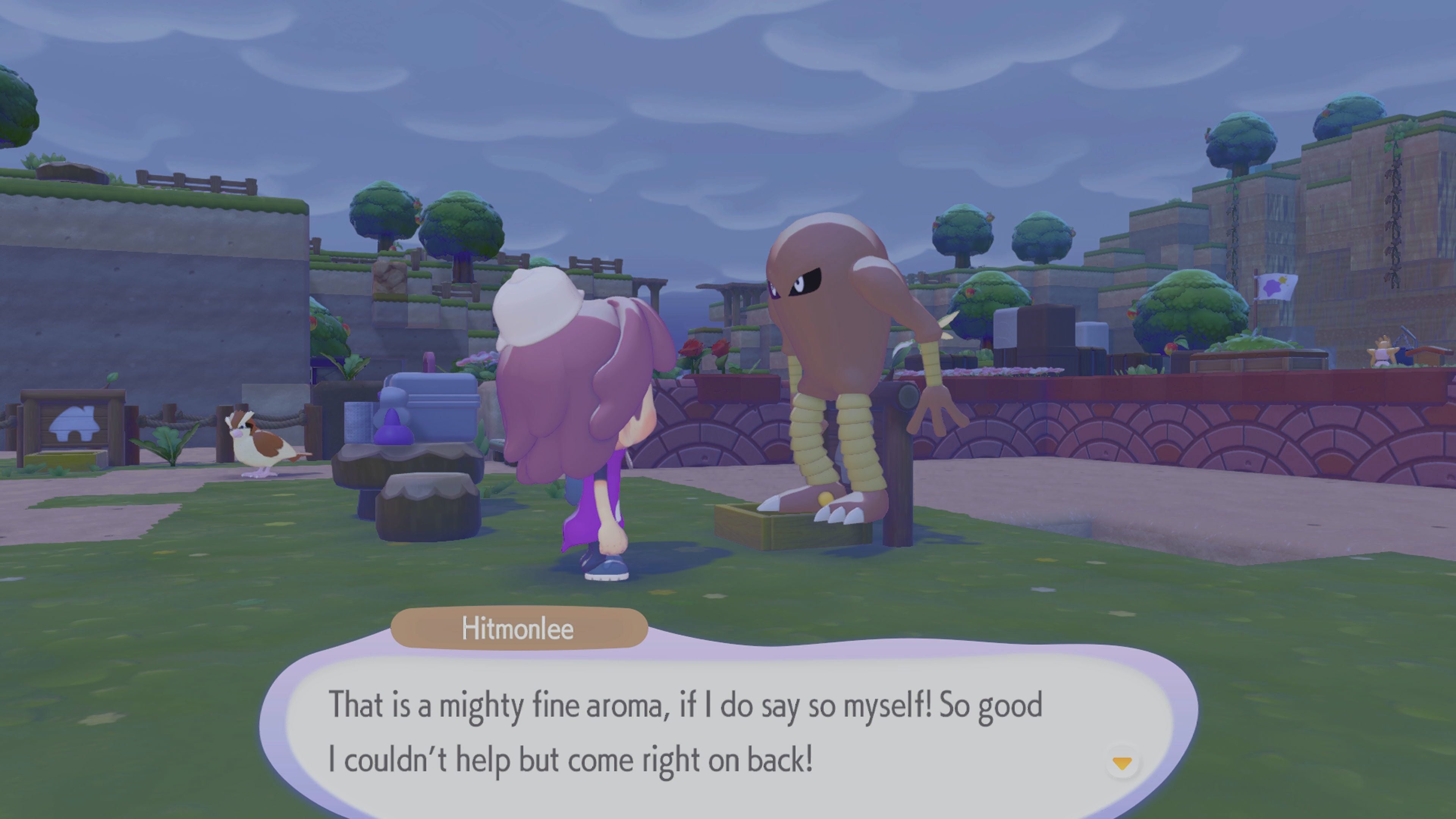
Emotional telemetry: Mood system in action
The mood system is the sleeper mechanic that glues the loop together. DJ Rotom’s vibes aren’t just flavor; they’re a readable layer of emotional telemetry that:
- Reacts to food, dialogue choices, and event triggers.
- Feeds back into productivity and encounter quality.
- Encourages short, intentional sessions instead of endless grinding.
From a #gamedev perspective, this is a strong example of tying player expression (what you serve, how you interact) directly into systemic output without drowning the UI in spreadsheets.
Resource Intelligence: Bricks, Concrete, Ice Blocks & Fluff
The last seven days of intel are dominated by resource‑centric transmissions. The pattern is clear: Pokopia’s economy is built on layered conversion chains rather than raw drops.
- Bricks act as structural currency, reserved for late‑game infrastructure and high‑impact island upgrades.
- Concrete is positioned as a mid‑to‑late backbone material, gated behind specific facilities and upgrade tracks.
- Ice Blocks introduce a cryo‑logistics puzzle, rewarding players who align mission timing with facility output.
- Fluff, by contrast, sits in the “routine maintenance” tier: constantly feeding crafting and care loops.
Design‑wise, these are cleverly tiered:
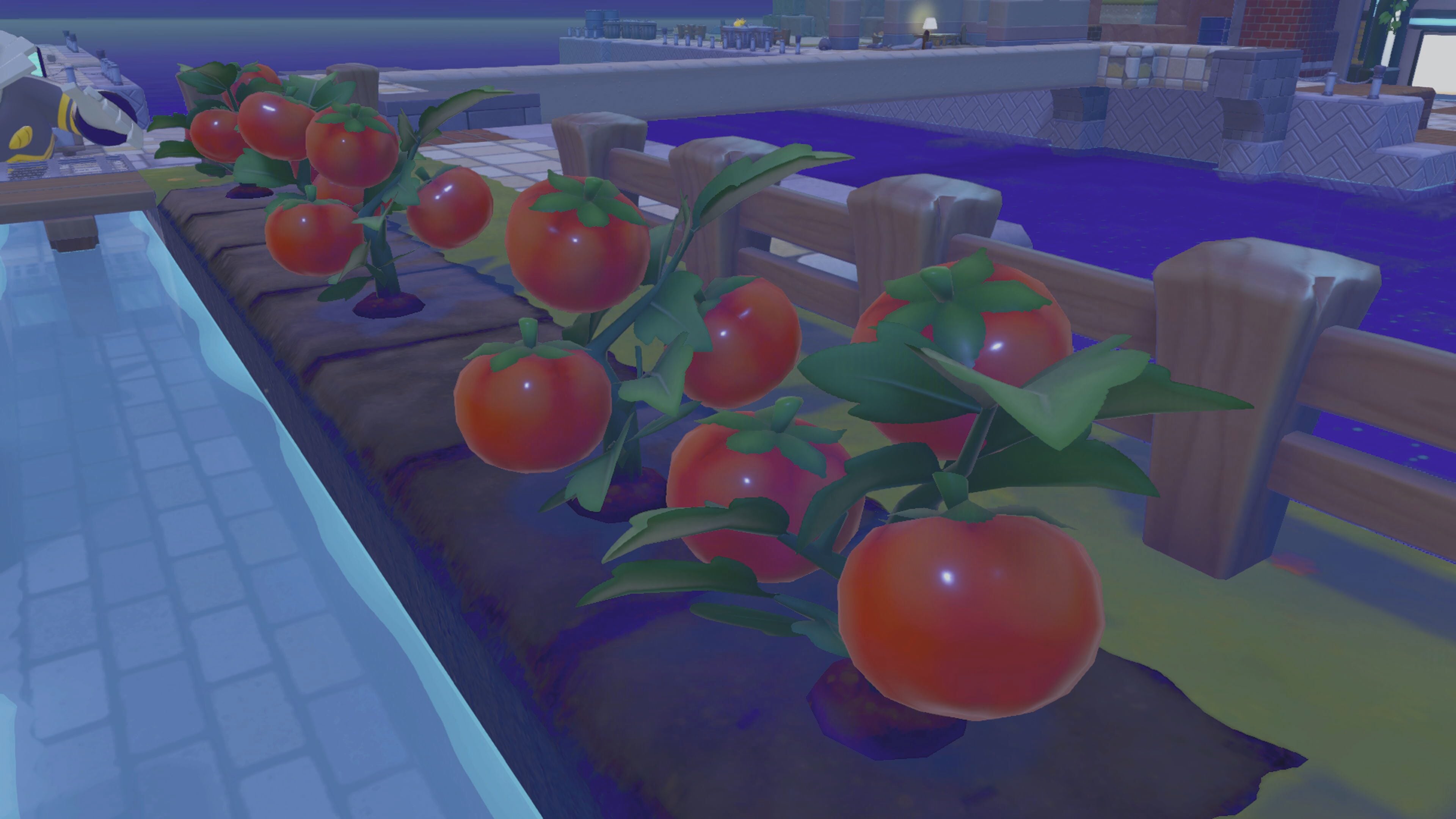
- Early‑game resources (Tomatoes, Fluff) teach players the loop.
- Mid‑game conversion (Concrete, Ice Blocks) tests scheduling and facility planning.
- Late‑game structural currencies (Bricks) become the optimization fuel for serious island architects.
For developers, this is a blueprint for how to escalate complexity without ever changing the core verb set: walk, collect, assign, deliver.
Traversal & Time: Player‑Controlled Pacing
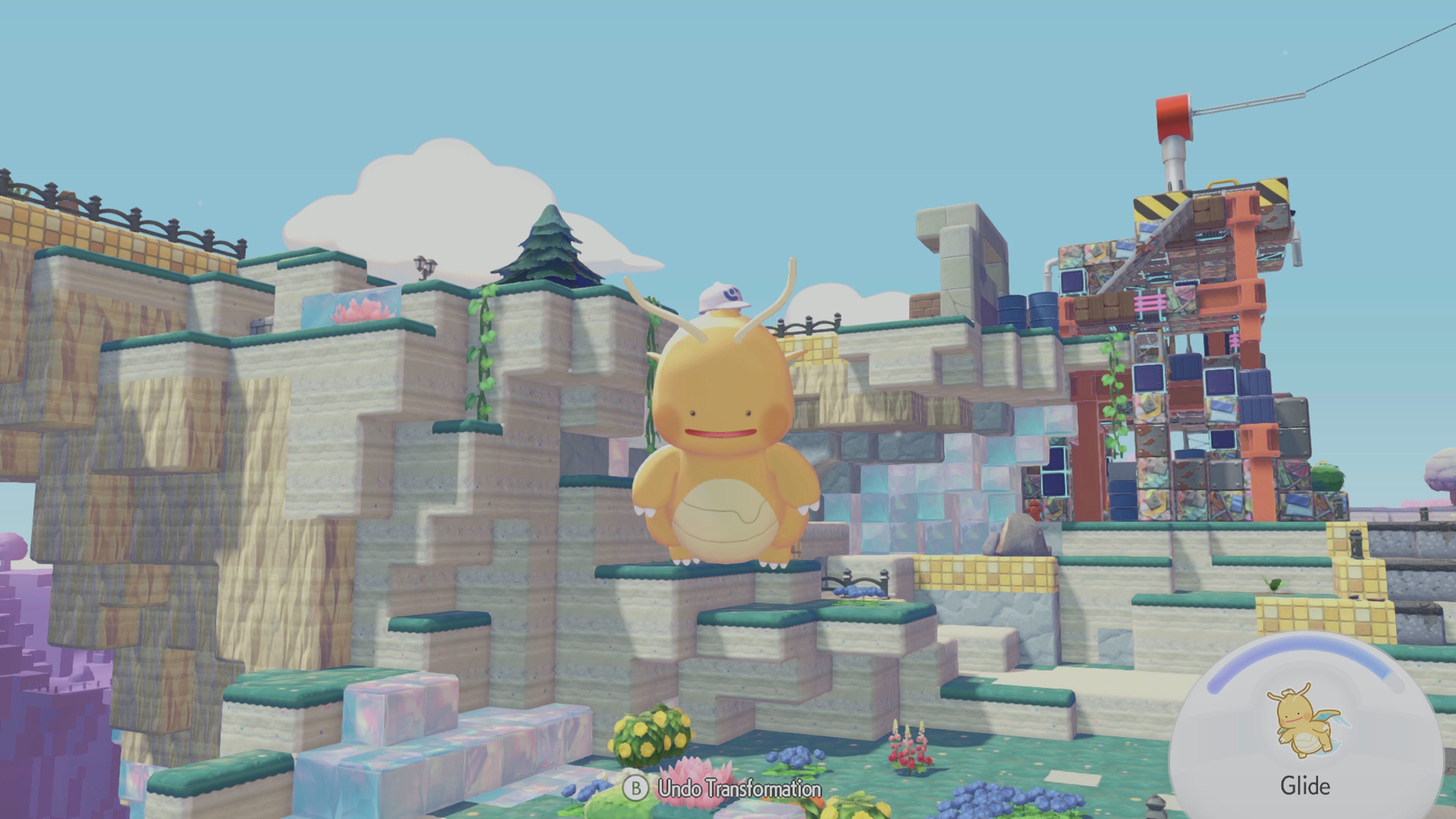
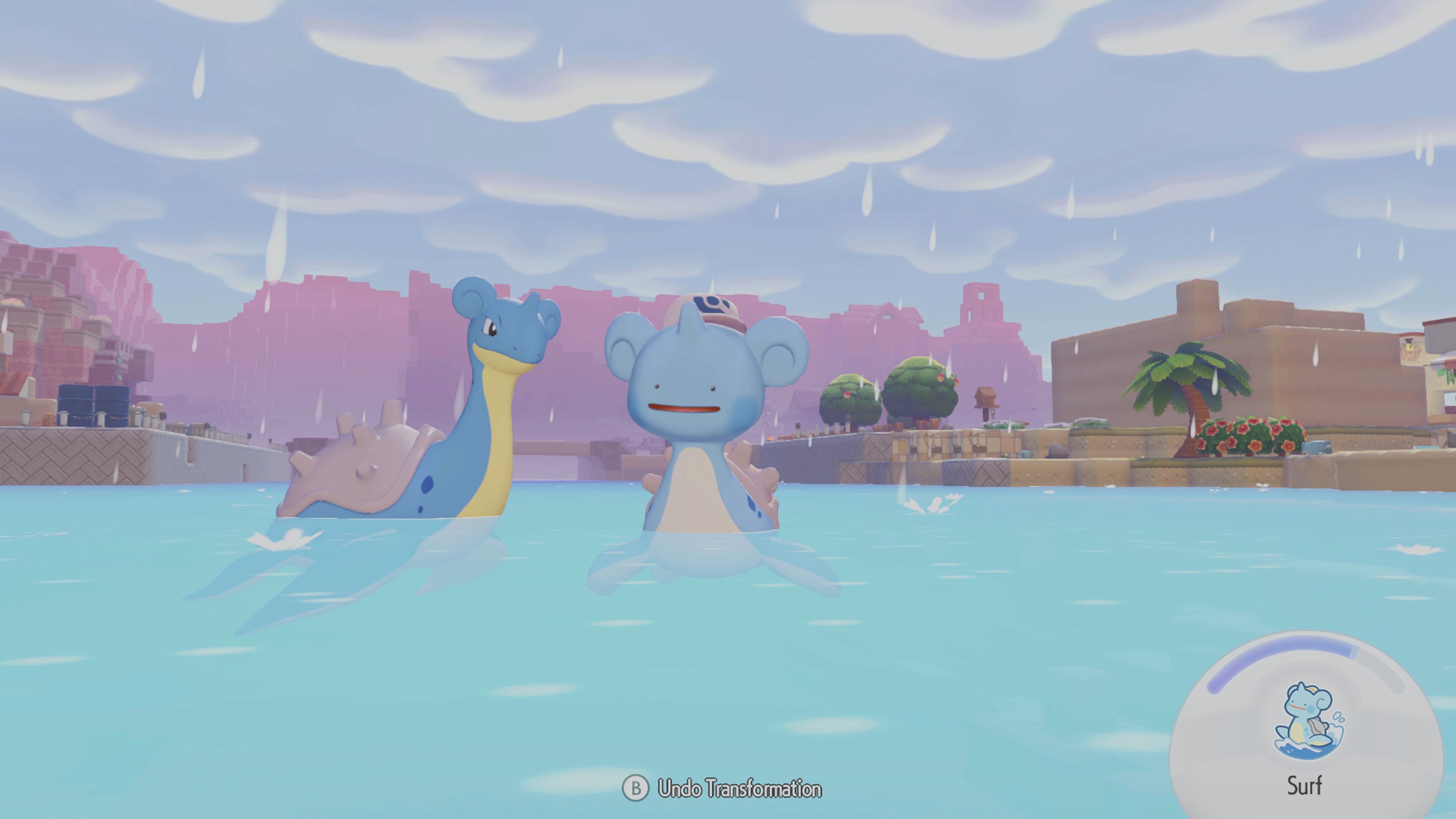
Pokopia’s traversal unlocks—Surf via Lapras at Bleak Beach and Fly via Dragonite—are doing double duty:
- Narrative payoff: iconic Pokémon as mobility milestones.
- Systemic payoff: they dramatically compress route time, increasing the value of every minute spent.
The real design flex, though, is the in‑game time‑of‑day selector. Instead of asking players to manipulate system clocks, Pokopia bakes chrono‑control into its options menu. Morning, afternoon, and night become:
- Distinct operation layers with altered spawns and quest availability.
- A soft tool for encounter pacing and visual variety.
This is a subtle but important quality‑of‑life call that many live games still resist.
Social Layer: Co‑Op as Force Multiplier
Multiplayer isn’t treated as a bolt‑on here. Co‑op squads can:
- Share exploration and resource routes in real time.
- Stack capture efficiency and progression by overlapping objectives.
- Turn what is essentially a logistics puzzle into a social planning exercise.
For #indiegame teams, Pokopia’s co‑op is a reminder that social features don’t need PvP to matter; synchronized PvE routing can be just as sticky if the economy rewards it.
UX & Structural Integrity: Where the Simulation Wobbles
Not everything passes inspection. The structural assessment flags notable variance from Nintendo’s usual UX clarity:
- Onboarding is gentle but sometimes too opaque about deeper systems.
- Challenge curves can feel uneven as players hit resource bottlenecks.
- Some Pokémon “missing” reports are actually the result of under‑explained quest relocation logic.
These are solvable problems—documentation, UI surfacing, and better signaling—but they’re important for developers to note. When you build a life sim on top of a beloved IP, opacity stops feeling “mysterious” and starts feeling like friction.
Strategic Takeaways for Developers
From this week’s Pokémon Pokopia telemetry, three design lessons stand out:
1. Treat Resources as Stories, Not Just Numbers
Bricks, Concrete, and Ice Blocks all have narrative context (infrastructure, construction, cryo‑logistics) that makes them feel tangible. That framing makes grind loops more palatable and easier to communicate.
2. Emotional State as a First‑Class System
The mood grid is more than a happiness meter; it’s a soft difficulty and reward modulator. If you’re building a management sim, consider how emotion can be both feedback and mechanic.
3. Let Players Own the Clock
Pokopia’s time‑of‑day control and traversal unlocks are powerful pacing tools. Giving players the keys to temporal and spatial friction—without breaking balance—can dramatically improve retention.
As pokémon pokopia continues to hold its Metacritic lead, expect more studios to dissect its blend of cozy aesthetics, logistical depth, and player‑friendly control over time and space. This isn’t just a win for one spin‑off; it’s a live prototype for where creature‑collecting and life‑sim design can converge next.
Keep following Pokémon Pokopia
News, guides, posts, and game details in one place.
Open the game hub, then save it to build your personal Breach feed.
More images and video


About the game
Pokémon Pokopia
Game Freak
Dive into the enchanting world of Pokémon Pokopia, a co-op life sim adventure crafted by Game Freak using the power of Unreal Engine 5. Inspired by the beloved Pokémon Ruby & Sapphire, Pokopia immerses players in a vibrant universe where village-building and Pokémon companionship are key. Engage in exploration, resource gathering, and nurturing meaningful bonds with Pokémon, all within a cozy, idyllic setting. Get a taste of this quantum anomaly blending Pokémon dynamics with classic life simulation at the Pokémon European Championships.
Open game pageTopics
pokémon pokopia
pokemon pokopia review
pokemon pokopia endgame
pokemon pokopia resources
pokemon pokopia bricks
pokemon pokopia concrete
pokemon pokopia ice blocks
pokemon pokopia mood system
pokemon pokopia multiplayer
#gamedev
#indiegame