Automated archive / Pokémon Champions
Pokémon Champions Stabilizes, Sharpens, and Starts Thinking Long-Term Meta
Pokémon Champions is quietly shifting from a disappointing launch to a data-driven stabilization phase, with ranked play, full item and roster intel, and live-ops systems all coming online. This week’s telemetry suggests a solid technical core—and a meta that’s finally ready to be shaped.
AI-generated summary. This archive article does not have a current recorded source check. Check linked sources before relying on details. Editorial policy
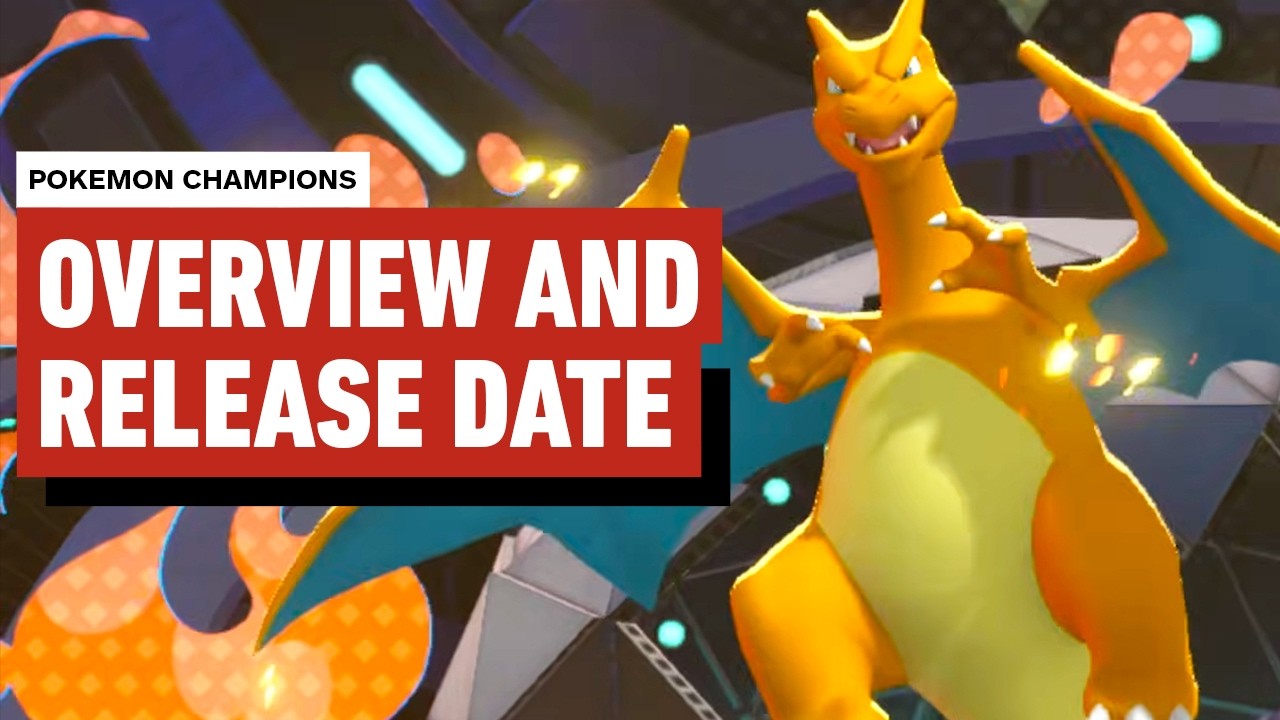
Sector Intelligence Report: Pokémon Champions – Week of April 8–14
Pokémon Champions has moved out of its chaotic launch window and into a more readable phase of live operations. The last seven days of telemetry paint a picture of a project that launched soft, but is now quietly building the systems it needs for a sustainable meta, competitive viability, and long-tail engagement. For #gamedev observers and competitive players alike, this is the first week where the signal finally rises above the noise.
1. Post-Launch Stabilization: From Disappointment to Design Opportunity
Field reports flag Pokémon Champions’ initial deployment as "suboptimal", with early systems underwhelming veteran trainers and spectators. That’s not just community sentiment; it’s a design-readiness issue.
However, the same briefing also highlights a "scalable combat loop and meta-structure with high optimization potential". Translation for #indiegame and service-game developers: the core loop is structurally sound enough to iterate on. The current recommendation from the field is to maintain observation status until the next major balance and content cycle, suggesting internal confidence that upcoming patches could meaningfully shift perception.
From a development update perspective, this week marks a pivot from "is this salvageable?" to "how far can this meta be pushed with targeted tuning and content injections?" The groundwork for a long-term ranked ecosystem is clearly being laid.
2. Ranked Battle Telemetry on Switch 2: Competitive Viability Check
Watch: Transmitting Gameplay footage from the field: Ranked battles stress-test on Switch 2 hardware
A 17-minute capture of ranked matches in Pokémon Champions on Nintendo Switch 2, rendered in 4K, is the clearest competitive health check we’ve seen yet. Key takeaways from the footage and activity feed:
2.1 Visual Clarity and Readability
- Battle readability is significantly improved at higher resolution and framerate.
- Animation timing and VFX density are calibrated so that high-stakes moments (finishing blows, clutch abilities, objective steals) remain legible even in crowded team fights.
- This matters for both players and spectators; it’s foundational for any esport-adjacent ambitions.
2.2 Pacing and Input Latency
- Competitive pacing appears tuned around short decision windows and fast turnarounds between engagements.
- UI latency and move feedback look tight enough for ranked ladder integrity—no obvious input buffering issues or desync-like artifacts in the captured matches.
For designers watching Pokémon Champions as a case study, this week confirms that the technical foundation for ranked play is in place. The remaining question is systemic: can the balance, itemization, and roster design support a healthy, evolving meta on top of that foundation?
3. Systems Coming Online: Roster, Items, and Shiny Economy
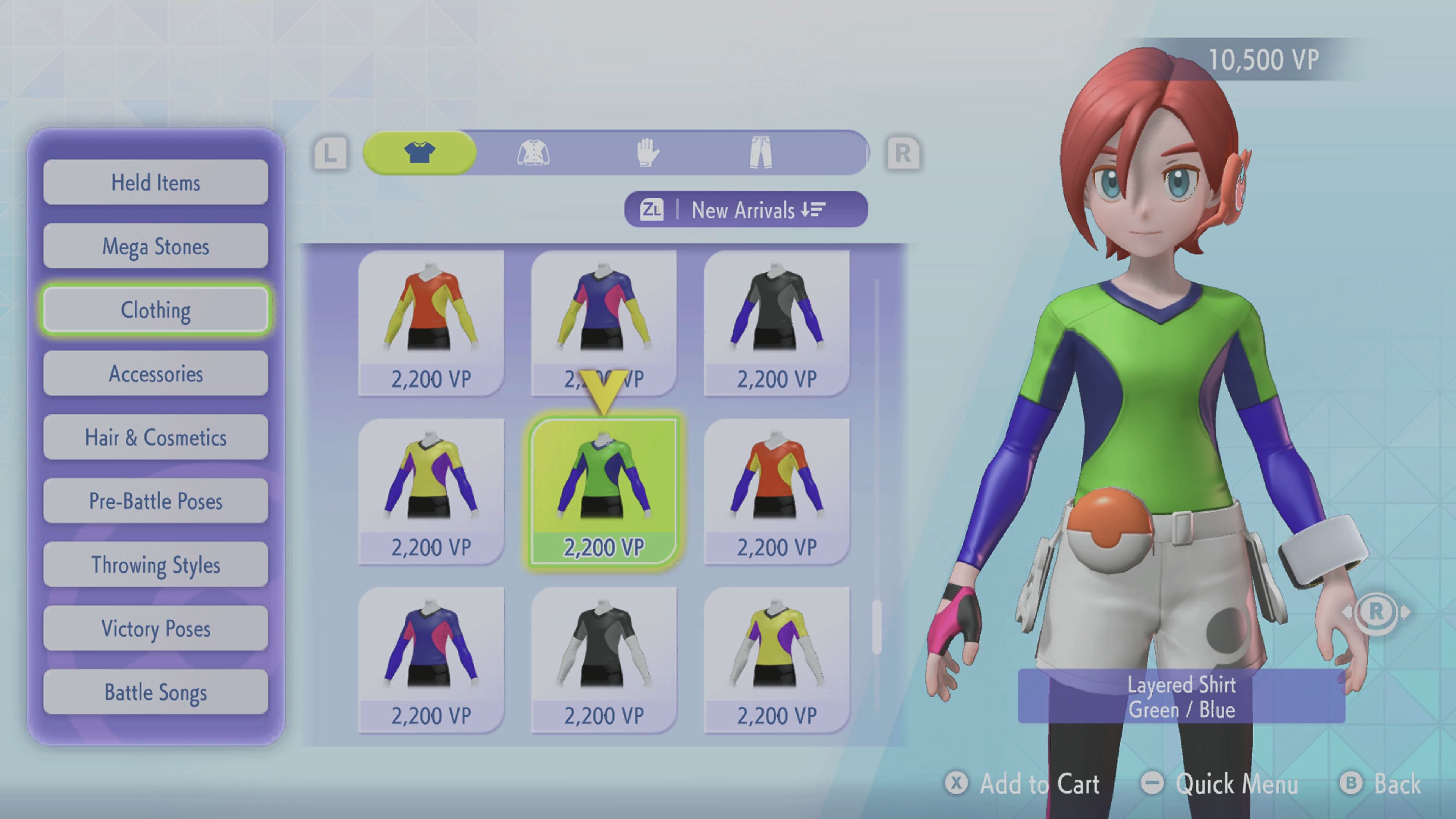
The midweek data drops weren’t flashy trailers; they were infrastructure. Three key intel packets went live:
3.1 Full Roster Indexing
The complete Pokémon Champions roster has been mapped and published. Every battle-ready unit is now documented, enabling:
- Pre-planned team compositions and type-coverage grids.
- Early meta-theory around role distribution, power curves, and synergy clusters.
- Forecasting of balance hotspots ahead of patches.
For #gamedev teams, this is classic live-service sequencing: stabilize core combat, then surface full roster data so the community can start doing free balance QA at scale.
3.2 Complete Item Manifest
The entire item grid—from early sustain tools to late-game power spikes—is now decrypted. This has two immediate effects on the ecosystem:
- Buildcrafting accelerates: players can route optimal item paths per Pokémon, role, and lane.
- Timing windows become explicit: when certain spike items come online, teamfight expectations shift, and coordinated squads can script around those thresholds.
From a design perspective, this is where Pokémon Champions starts to look less like a loose experiment and more like a disciplined meta machine. The presence of clear early-, mid-, and late-game itemization hooks is crucial for long-term strategic depth.
3.3 Shiny Pokémon as a Parallel Economy
New intel on how to find Shiny Pokémon in Champions reveals a parallel progression track built on rarity, repetition, and event-linked boosts. Trainers are already:
- Running targeted encounter loops.
- Syncing with limited-time events and banners.
- Logging pulls to identify spawn and probability patterns.
For engagement design, this is a classic "horizontal progression" system: it doesn’t directly affect competitive balance, but it deepens retention by rewarding long-term, data-driven play. This is the kind of subsystem that can quietly carry DAU while the combat team iterates on balance.
4. Live Ops: Mystery Gifts as Engagement Pulses
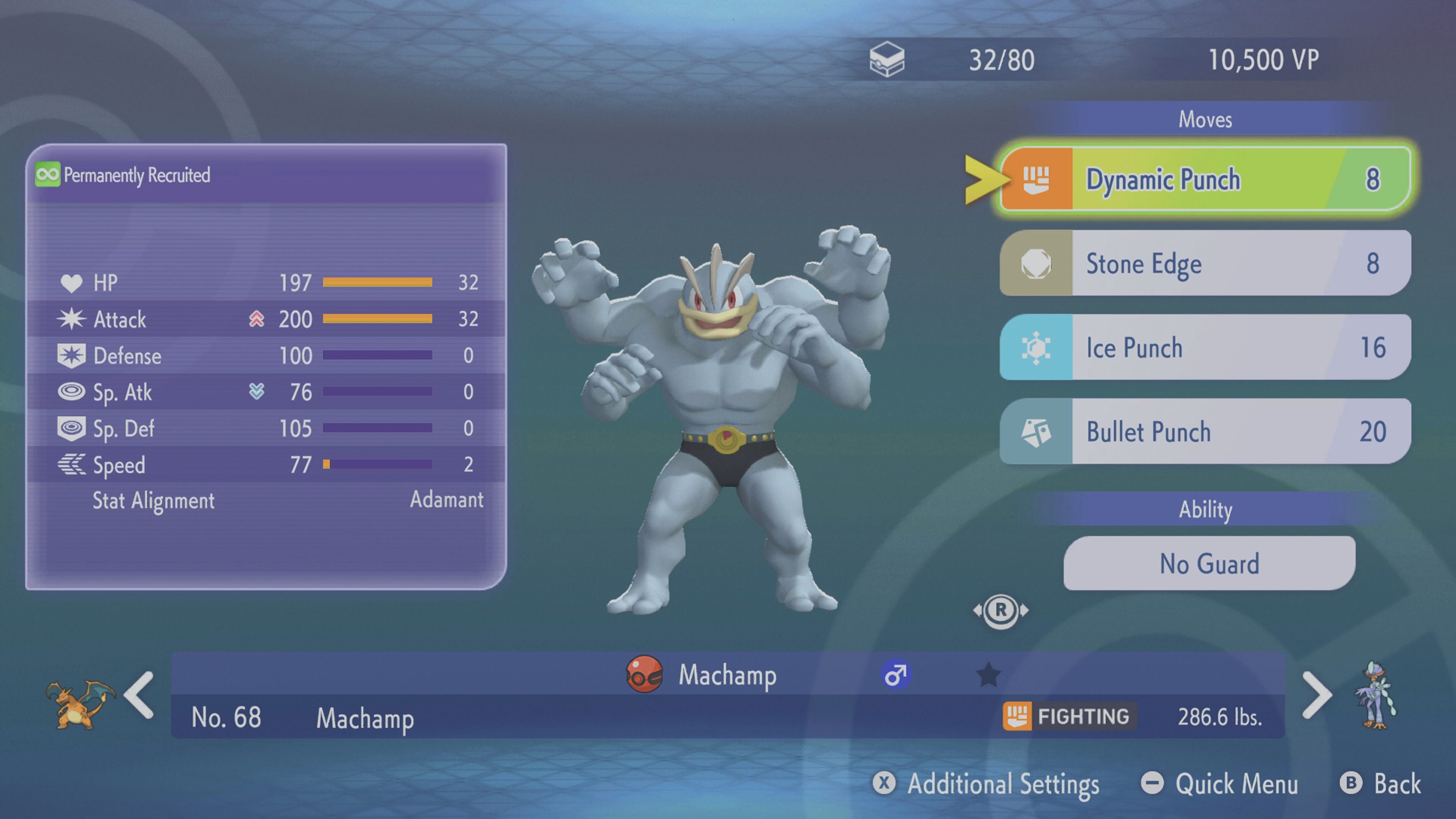
The Mystery Gift pipeline is now a visible part of the game’s live-ops rhythm. Time-limited codes are dropping fresh Pokémon, items, and boosts into the ecosystem, creating:
- Short-term login spikes whenever new codes surface.
- Inventory volatility, as new items and units briefly distort the meta.
- An implicit FOMO loop that encourages players to stay network-synced.
For Pokémon Champions, this is an important lever: in a post-disappointing-launch context, scheduled giveaways and surprise injections help rebuild goodwill while the heavier systemic patches are still in development.
5. Strategic Outlook: Why This Week Matters
This week’s activity suggests that Pokémon Champions is transitioning from launch chaos to structured, data-driven evolution:
- The combat loop and technical stack have passed a basic stress-test on next-gen hardware.
- The roster and itemization layers are now transparent enough for the community to meaningfully interrogate the meta.
- Auxiliary systems like Shiny hunting and Mystery Gifts are anchoring retention while the balance team prepares bigger swings.
For competitive players, this is the moment to start serious lab work: build spreadsheets, track win rates, and identify early outliers before the first major balance wave hits.
For #gamedev and #indiegame teams watching from the outside, Pokémon Champions is becoming a live case study in recovering from a shaky launch through systemic clarity, transparent data, and steady live-ops beats.
Breach.gg recommendation: maintain high-alert observation through the next major development update. If the upcoming patch cycle capitalizes on the strong technical base and newly surfaced systems, Pokémon Champions could pivot from "disappointing start" to long-term competitive staple faster than its launch reception would suggest.
Sources and corrections
This archive entry does not have a verified article-source list. Images and video embeds alone are not evidence for every claim.
Found an error? Request a correction. Include the passage and a supporting source.
Your games, in one place
Keep up with Pokémon Champions
Follow this game to collect its posts in your personal feed. Come back to see what you missed.