Automated archive / Pokémon Champions
Cracking Pokémon Champions’ Item Grid, Shiny Economy & Mystery Gift Meta
Pokémon Champions just exposed its real hand: a fully decrypted item grid, complete roster index, live Mystery Gift rotations, and emerging Shiny odds. This week’s intel shows a systems-first competitive brawler leaning heavily on data-driven balance and live-ops economies.
AI-generated summary. This archive article does not have a current recorded source check. Check linked sources before relying on details. Editorial policy

Sector Intelligence Report // Pokémon Champions Weekly Briefing
The last seven days around pokémon champions have been all about systems coming into focus: full item data, a complete roster index, live Mystery Gift cycling, and early theorycrafting around Shiny Pokémon odds. For designers, balance analysts, and competitive players, this is the first real look at how the game’s combat economy is wired — and how it might bend under pressure.
Item Grid Decrypted: How the Economy Wants You to Play
The biggest tactical breakthrough this week is the full item manifest for Pokémon Champions going live. With every usable asset now indexed, the community finally has a clear lens on:
- Early-match sustain tools vs. raw tempo: healing, shields, and lane-staying power are clearly separated from power-spike items, suggesting a deliberate curve from survival to snowball.
- Late-game power spikes: several items appear tuned to reward extended matches and coordinated team play, hinting that comeback windows will be heavily item-driven.
- Synergy-first design: many items don’t just buff stats; they modify ability behaviors or type interactions, which is critical for #gamedev observers tracking how this #indiegame-style systems thinking is being layered onto a globally recognized IP.
For developers, this is a live case study in economy readability: exposing the full grid early lets the team watch how players assemble optimal builds, then patch around emergent outliers rather than blind spots.
Watch: Transmitting Gameplay footage from the field: Official Pokémon Champions reveal trailer
From a competitive meta standpoint, expect the next week to be dominated by:
- Spreadsheet-driven build solvers mapping best-in-slot paths for each role.
- Early debates over whether sustain or burst items define the first true tier list.
- Pressure on the dev team to respond quickly if any item combos create non-interactive win conditions.
This is the phase where a live-service title either proves its balance tooling is robust — or gets trapped in perpetual hot-fix mode.
Roster Uplink: Reading the Combat Grid
Alongside the item data, a full roster index for Pokémon Champions has been decrypted. For designers and competitive analysts, this is where the metagame blueprint becomes visible:
- Type coverage mapping: you can now build complete coverage matrices and see where the roster has intentional gaps. Those gaps are usually future patch hooks.
- Role clustering: early impressions suggest clear lanes (frontliners, disruptors, burst casters, objective controllers), a structure that mirrors established MOBA and hero-brawler design.
- Balance levers: with all Pokémon exposed, it’s easier to see which units are over-tuned by design to drive early engagement, and which are sleeper picks waiting for the right item synergies.
For #gamedev teams watching from the outside, this is a textbook example of staggered transparency: reveal the roster and items together so the community can test holistic balance instead of isolated numbers.
Shiny Pokémon: Early Signals in the Rarity Economy
The Chromatic Signal Hunt is already underway, with players stress-testing how Shiny Pokémon actually drop in Pokémon Champions. The data-mining behavior here is predictable — and invaluable to the dev team:
- Players are running controlled encounter loops, logging pulls and timestamps to reverse-engineer base odds.
- Event-linked boosts and banners are being treated like mini-experiments, exposing whether the game’s rarity knobs feel fair or predatory.
- Patterns in spawn behavior (time of day, match type, streaks) are being scrutinized to see if there are hidden pity systems or anti-streak mechanics.
From a systems-design perspective, this is the first real stress test of the game’s long-tail engagement economy. Shiny rates that feel overly stingy risk burning out collectors; rates that are too generous can destabilize cosmetic prestige and long-term retention.
For an IP as collection-driven as Pokémon, getting this curve right is non-negotiable.
Mystery Gift Uplink: Live Ops and Player Trust
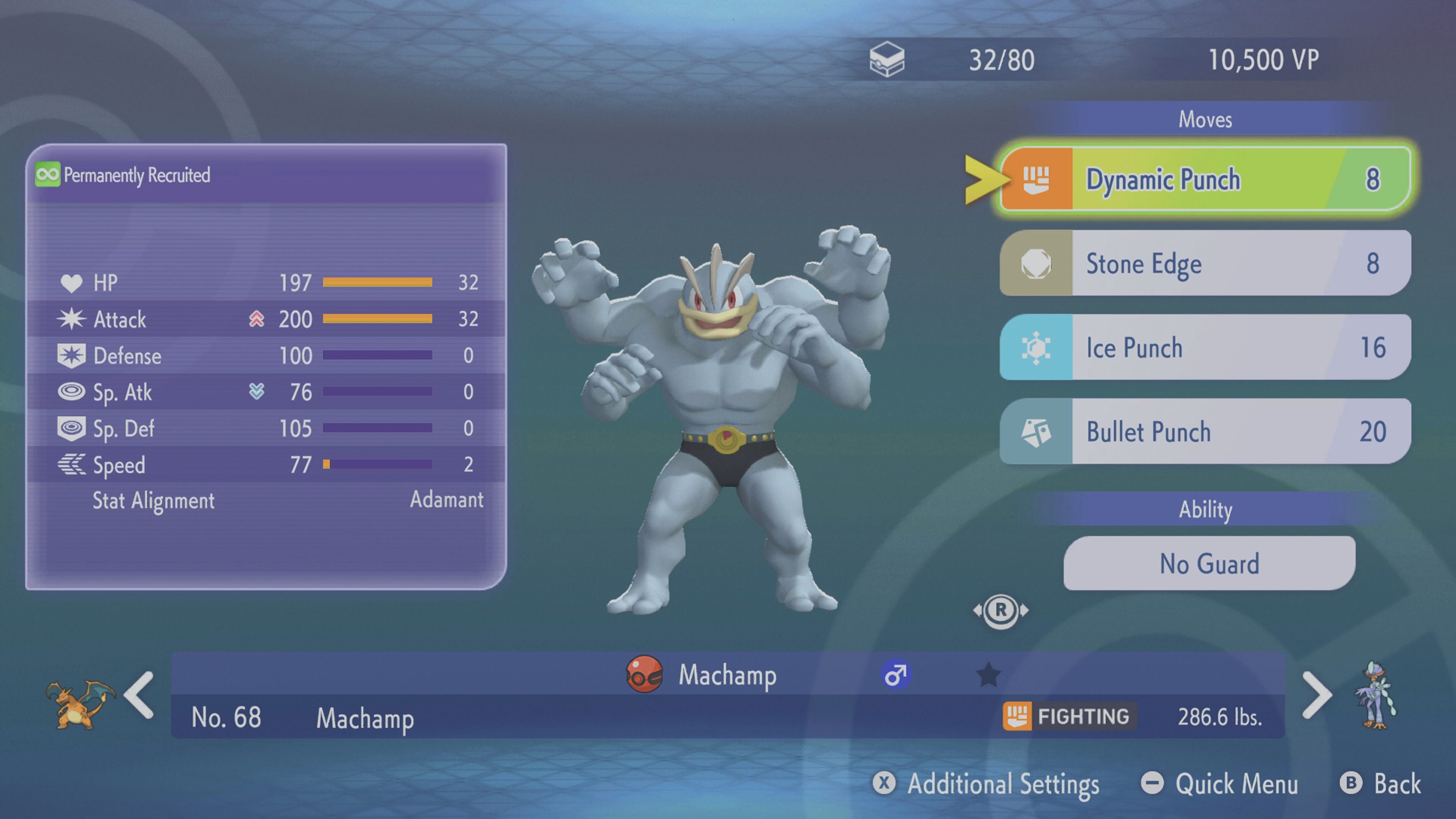
The live cycling of Pokémon Champions Mystery Gift codes is the clearest window yet into the game’s live-ops philosophy. Codes currently deliver a mix of Pokémon, items, and boosts — and that mix matters:
- Time-limited rewards create urgency but also test notification pipelines and regional fairness.
- The ratio of power vs. cosmetics in these gifts will define whether players see them as fun bonuses or mandatory log-in chores.
- Frequent, predictable drops build trust in the cadence; erratic, opaque drops can feel manipulative.
For #gamedev teams studying live-service patterns, Pokémon Champions’ Mystery Gift rotation is a live lab on:
- How to inject micro-doses of progression without cannibalizing core gameplay.
- How to align marketing beats (codes via socials, events, broadcasts) with in-game economies.
- How to use codes as re-engagement tools without turning the game into a calendar obligation.
Strategic Outlook: What This Week Tells Us About Pokémon Champions’ Direction
Pulling all four intel streams together — items, roster, shinies, and Mystery Gifts — a clear design thesis is emerging for pokémon champions:
- Systems-first competitive design: the item grid and roster are built for depth and theorycrafting, not just casual pick-up play.
- Live-ops as a core pillar: Mystery Gifts and event-linked Shiny boosts show that ongoing operations aren’t an afterthought; they’re baked into progression.
- Data-driven iteration: by exposing so much systemic detail early, the team is effectively inviting the community to act as a massive QA and balance apparatus.
For players, this week’s intel means it’s finally possible to plan long-term builds, optimize team comps, and make informed decisions about where to invest time. For developers and analysts, Pokémon Champions is rapidly becoming a high-profile reference point in how to blend hero-brawler structure, collection-driven progression, and live-service economies into a single, coherent experience.
Expect the next wave of updates to focus on balance patches reacting to item/roster exploits, and more granular tuning of Shiny and Mystery Gift economies as real-world data pours in.
Sources and corrections
This archive entry does not have a verified article-source list. Images and video embeds alone are not evidence for every claim.
Found an error? Request a correction. Include the passage and a supporting source.
Your games, in one place
Keep up with Pokémon Champions
Follow this game to collect its posts in your personal feed. Come back to see what you missed.