Automated archive / Pokémon Champions
Pokémon Champions Locks Target on Competitive Pokémon’s ‘Best‑Kept Secret’
Pokémon Champions is positioning itself as a live-service competitive pillar, turning Pokémon’s ‘best-kept secret’—its deep matchup logic—into a fast-strike, readable battler. With an April 8 launch on Switch and mobile, all eyes are on how Masaaki Hoshino’s team balances accessibility with high-pressure ranked play.
AI-generated summary. This archive article does not have a current recorded source check. Check linked sources before relying on details. Editorial policy
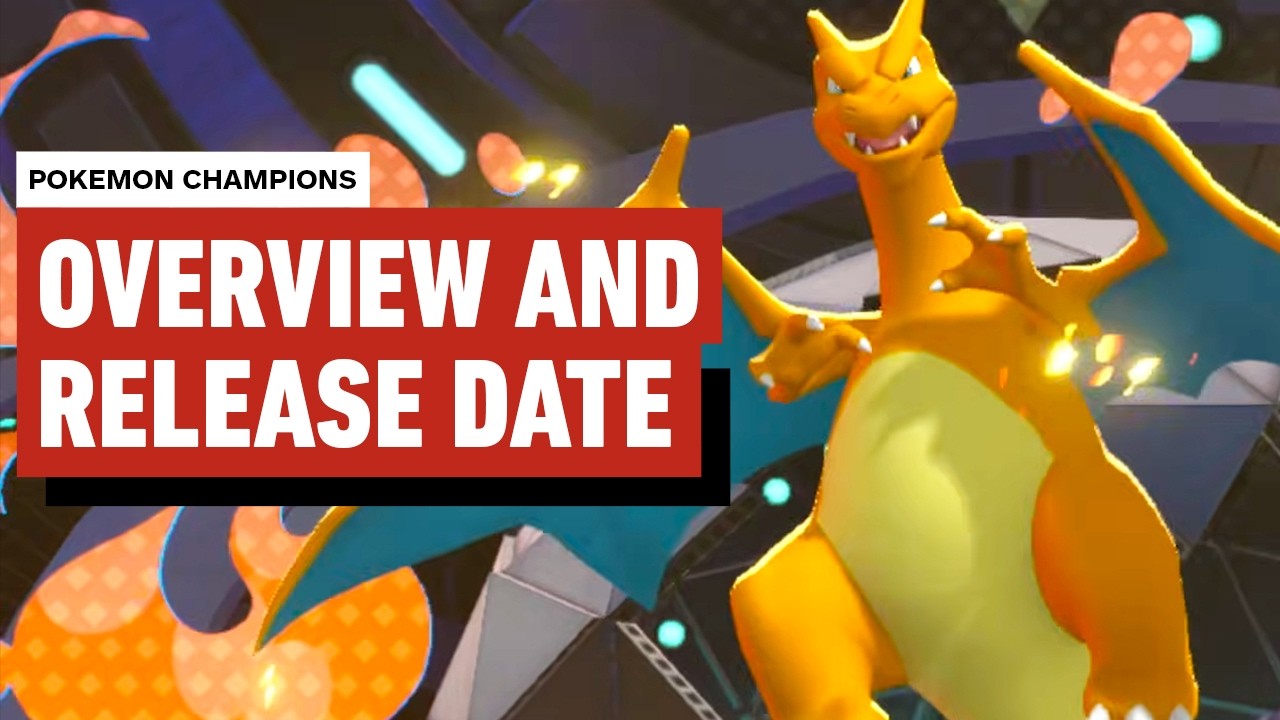
Strategic Overview: Pokémon Champions Enters the Arena
Pokémon Champions is rolling into the live-service battlefield with a clear mission: expose Pokémon’s long-running competitive depth to a far broader audience without losing the edge that keeps high-level players locked in. Over the last week, The Pokémon Company has shifted from vague teases to concrete deployment intel, confirming an April 8 launch on Nintendo Switch and mobile, with positioning that strongly suggests this is a long-term pillar in the franchise’s digital ecosystem.
This is not a mainline RPG, and it’s not a simple spin-off. It’s a real-time, competitive-first battler explicitly designed to turn Pokémon’s intricate matchup logic into a readable, fast-strike system. For developers and designers tracking #gamedev trends, Pokémon Champions is shaping up as a case study in how a legacy IP can be refactored into a modern, service-driven competitive platform.
Hidden Battle Protocols: Turning Deep Systems Into Clear Reads
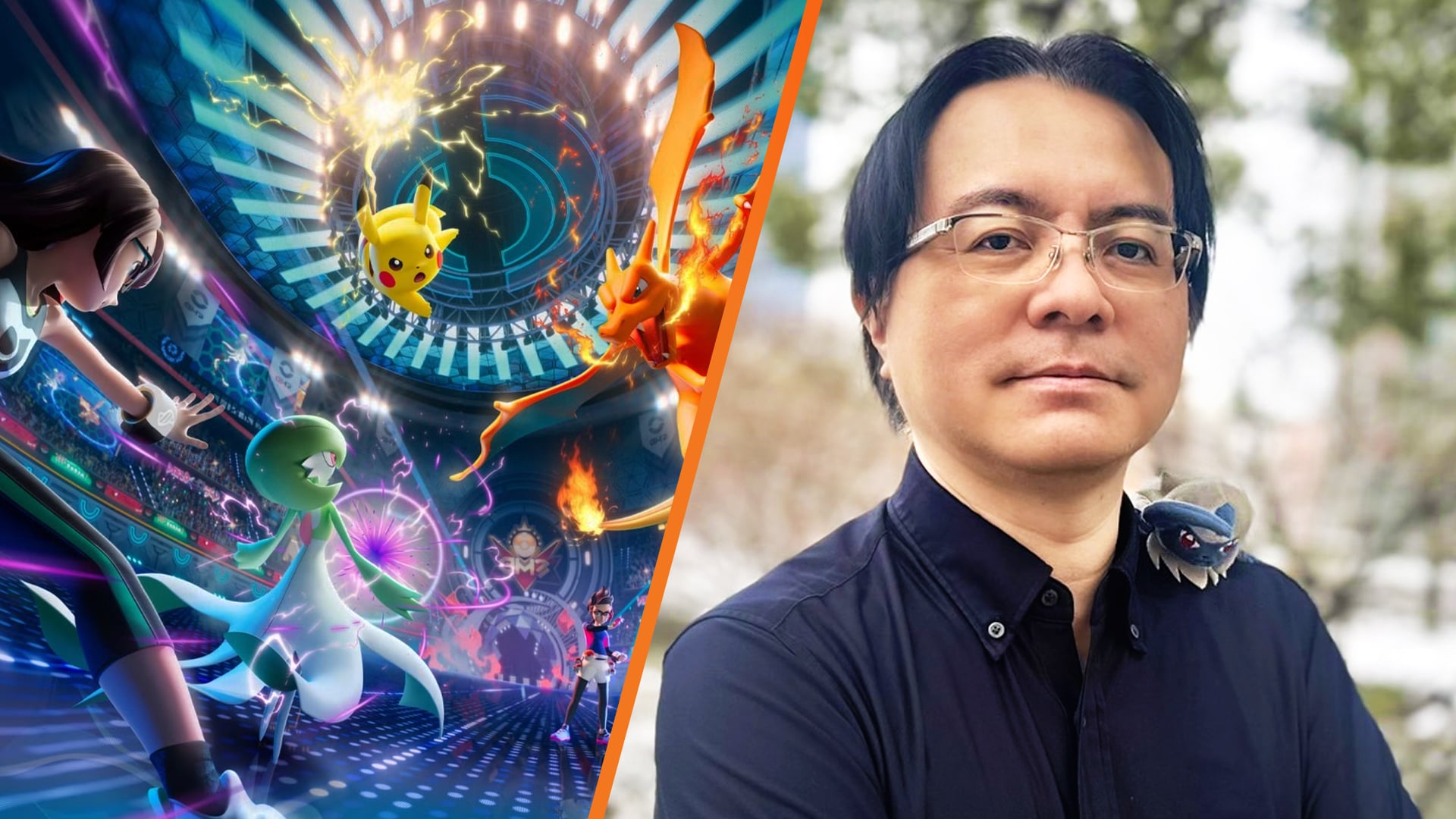
Recent intel frames director Masaaki Hoshino as the key architect behind Pokémon Champions’ combat layer. He’s reportedly drawing on years of fighting game R&D to weaponize Pokémon’s “best-kept secret” — its deep competitive DNA — and translate it into something instantly legible.
The core design thesis emerging from the last week of updates:
1. Streamlined Inputs, Not Shallow Systems
Hoshino’s team appears to be prioritizing low-friction control schemes while preserving high-ceiling decision-making. Expect:
- Inputs that feel closer to action-battlers than traditional turn-based RPG menus.
- Tight, readable cooldowns and ability windows instead of obscure, stat-heavy opacity.
- A focus on clear feedback loops: hit confirms, advantage states, and punish windows that are obvious even to new recruits.
This is a familiar pattern in competitive #gamedev: compress execution barriers while leaving the real mastery in macro choices, team comp, and adaptation. Pokémon Champions is poised to follow that blueprint.
2. Dual Targeting: Casual Recruits vs. Ranked Predators
The design language in the activity feed is explicit: systems are being tuned both for casual onboarding and ranked play. That implies:
- Early-game flows that tutorialize core concepts through play, not text dumps.
- Matchmaking and ranked ladders that can sustain high-pressure, high-stakes sessions.
- A meta that’s expected to crystallize quickly post-launch, especially with synchronous deployment across Switch and mobile.
For competitive designers, the interesting question is how far Pokémon Champions leans into data-driven balance passes and how quickly it will iterate on overperforming builds.
Quantum Arena Protocol: April 8 Launch and Platform Positioning
The biggest concrete update this week is the April 8 release date. Pokémon Champions will land on Nintendo Switch and mobile simultaneously, with messaging that carefully sidesteps the upcoming Switch 2 while still carving out space in Nintendo’s future-facing online stack.
From a strategic POV:
- Clean pre–Switch 2 window: Launching ahead of next-gen hardware avoids fragmentation and lets the team stabilize live-service operations before a new platform complicates things.
- Cross-device skirmishes: Designing for both console and mobile from day one forces tight UX constraints — readable visuals, concise UI, and input parity. That’s particularly relevant for #indiegame teams studying cross-platform competitive design.
- Live-service framing: The language around “pillar” and “digital warfront” suggests seasonal content, balance patches, and potentially rotating competitive formats.
Systems Briefing: Progression, Drafting, and Long-Term Retention
The activity feed also outlines a high-level loop: draft, train, deploy. Players will assemble optimized squads, iterate on builds, and push into structured battles where progression is tuned for long-term engagement.
Key implications for design watchers:
1. Draft and Squad Optimization
Pokémon Champions is likely to lean into:
- Role clarity for each Pokémon (frontline, disruptor, support, finisher) to keep compositions readable.
- Synergy-driven builds rather than raw stat stacking, creating a metagame defined by combos and counterplay.
- Potentially limited rosters per match or draft phases that force adaptation instead of comfort-pick autopilot.
2. Progression and Retention
“Long-term engagement” hints at:
- Progression systems that unlock new tactical options, not just raw power creep.
- Event or regional formats that periodically reset or reshape the meta, keeping high-level play fresh.
- A data-informed balance cadence — crucial for any live-service competitive title.
For #gamedev teams, Pokémon Champions may become a reference point in how to balance monetization, progression, and competitive integrity inside a globally recognized IP.
Sector Outlook: What to Monitor Post-Launch
As Pokémon Champions approaches deployment, several watch-points stand out:
- Onboarding funnel: Does the game successfully convert curious Pokémon fans into ranked regulars?
- Meta health: How quickly do dominant builds emerge, and how responsive is the balance team?
- Platform parity: Does mobile performance or input friction skew competitive viability compared to Switch?
- Community tools: Are there in-game or external systems for spectating, sharing builds, and running community events?
For developers, analysts, and competitive players alike, Pokémon Champions is more than just another spin-off. It’s a live experiment in surfacing a legacy franchise’s competitive core through modern, service-first design — and its success or failure will ripple far beyond the Pokémon ecosystem.
Sources and corrections
This archive entry does not have a verified article-source list. Images and video embeds alone are not evidence for every claim.
Found an error? Request a correction. Include the passage and a supporting source.
Your games, in one place
Keep up with Pokémon Champions
Follow this game to collect its posts in your personal feed. Come back to see what you missed.