Automated archive / Overwatch 2
Overwatch 2’s Story Era Surge: Steam Records, Five New Heroes, and a High-Risk Reboot of the Live Service War
Overwatch 2’s new story-driven era has doubled its previous Steam launch-day concurrent record and driven the game to a fresh all-time peak, even as its user rating remains stubbornly low. With five new heroes arriving in Season 1: Conquest, Blizzard is stress-testing how far bold content pivots can go in...
AI-generated summary. This archive article does not have a current recorded source check. Check linked sources before relying on details. Editorial policy
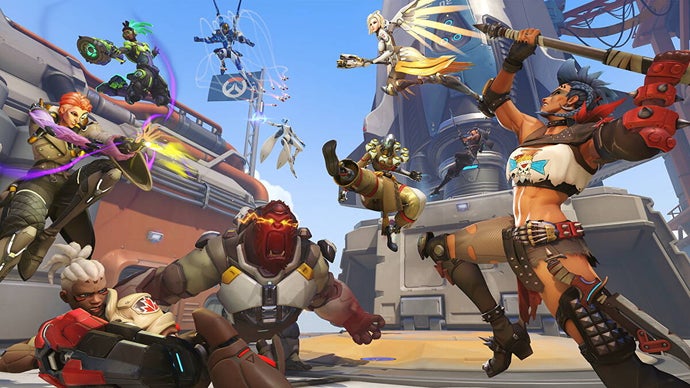
Sector Intelligence Report: Overwatch 2 – Week of February 15, 2026
Overwatch 2 just executed its boldest pivot since launch, and the data is finally catching up to the ambition. Blizzard’s push into a new story-driven era has not only reignited curiosity—it has doubled the game’s previous Steam release-day concurrent player record and driven the platform to a fresh all-time peak.
Breach.gg’s sensors show a live-service shooter trying to reframe its identity: part narrative platform, part competitive esport, part evergreen hero sandbox. The question for #gamedev observers isn’t just “Is Overwatch 2 back?”—it’s “Can this design direction sustain a second life cycle?”
Steam Numbers: A Volatile Win With a Warning Label
Record Concurrency, Fragile Sentiment
Intelligence indicates Overwatch 2 hit 165,651 concurrent players on Steam in the last week, marking a new high-water mark for the platform. That spike coincides directly with the rollout of its story-driven era and Season 1: Conquest.
But the signal is noisy:
- The game still sits at a 27.26% user rating on Steam.
- This creates a rare profile: high concurrency, low satisfaction.
From a #gamedev and live-ops standpoint, that’s a classic “interest outpacing trust” scenario. Players are clearly willing to reinstall, re-log, and re-evaluate—but they’re doing so with arms crossed. For developers watching from the outside, Overwatch 2 is now a live case study in how far strong IP, mechanical polish, and new content can carry a title against a headwind of legacy perception.
The Story-Driven Era: Retrofitting Lore Into a Live Service
Overwatch has always traded on its worldbuilding, but historically the lore lived outside the client—in cinematics, comics, and marketing beats. This week’s surge signals Blizzard’s attempt to pull that narrative gravity into the game itself.
Key implications for design and production:
- Narrative as Retention Layer: Story content is now being used as a re-engagement hook, not just a marketing asset. Lapsed players are returning to see what changed in the universe, not just the patch notes.
- Persistent Battlefield Framing: The messaging around a “unified battlefield” suggests Blizzard wants story, competitive, and live events to feel like one continuous warfront rather than siloed modes.
- Pipeline Complexity: Blending authored story experiences with a high-cadence competitive meta raises the bar on internal coordination—narrative, systems, balance, and monetization now ship as a single package.
If Blizzard can maintain this cadence, Overwatch 2 may transition from “hero shooter with lore” to something closer to a narrative-forward live service platform. If the cadence slips, the story era risks being remembered as a spike, not a new baseline.
Season 1: Conquest – Five New Heroes, Five New Production Problems
Overwatch 2’s Season 1: Conquest doesn’t just nudge the meta; it attempts a hard reset. Dropping five new playable heroes in one season is an aggressive move, both creatively and operationally.
From a systems and #gamedev lens, this is what that means:
1. Meta Shock as a Feature
- Five heroes at once means teams must re-learn fundamentals: positioning, ult economy, peel priorities, and target focus.
- The design intent is clear: force experimentation. Old habits become liabilities as new counters and synergies emerge.
- This can be a powerful engagement driver—but it also amplifies the risk of perceived imbalance if even one hero ships overtuned.
2. Balance and Data Load
- Every new hero introduces dozens of new interaction vectors. Five at once multiplies that exponentially.
- Blizzard is effectively betting on rapid telemetry-driven balance: hotfixes, micro-patches, and fast iteration based on live data.
- For other studios and #indiegame teams, this is the cautionary tale: big hero drops are spectacular, but they demand robust analytics, QA, and live-ops tooling.
3. Content Density vs. Production Burn
- Delivering five heroes, story content, and a new seasonal structure suggests Overwatch 2 has been quietly front-loading development for months.
- The sustainability question looms: can this cadence hold without quality dips or team burnout? Or is Conquest a deliberate “statement season” designed to reset public narrative before settling into a more moderate rhythm?
Live Service Strategy: Rebuilding Trust in Public
Overwatch 2’s current arc is less about any single feature and more about reframing its live-service contract with players.
Key strategic pivots visible from this week’s intel:
- Lore + Live Ops Fusion: Story isn’t a side dish; it’s being used to justify map rotations, hero introductions, and seasonal events in-world.
- High-Impact Seasonal Identity: Branding the season as Conquest—with five heroes and a narrative thrust—signals Blizzard wants each season to feel like a chapter, not just a patch.
- Steam as Sentiment Barometer: The platform’s low rating but high concurrency makes it a brutally transparent feedback loop. If Blizzard’s next few updates can move that 27.26% upward while maintaining player peaks, we’ll be watching a rare reputation recovery in motion.
For developers, Overwatch 2 is now a working model of live-service triage: use spectacle (new heroes, story era, seasonal framing) to win attention, then rely on iteration, communication, and systemic improvements to slowly repair trust.
Competitive & Esports Implications
Five new heroes and a story-first seasonal push will ripple through competitive play:
- Pro Meta Volatility: Expect a turbulent period as teams scramble to map optimal comps and counterpicks. This can make broadcasts more chaotic but also more watchable.
- Viewer Onboarding via Story: If Blizzard can align esports narratives with in-game story beats, the barrier to entry for new spectators drops—viewers care more when they understand who these heroes are and why they’re fighting.
For tournament organizers and teams, the next few weeks are about adaptation speed. Whoever solves Conquest’s puzzle first gains not just a strategic edge, but narrative momentum.
Strategic Outlook: Second Wind or Final Push?
Overwatch 2’s latest data pulse is clear:
- Player interest is surging, driven by story content and Conquest’s aggressive hero drop.
- Player trust remains fragile, as reflected in Steam’s rating profile.
The next 60–90 days will be critical. If Blizzard can:
- stabilize balance around the five new heroes,
- maintain meaningful narrative beats inside the client,
- and visibly respond to community friction points,
then this week’s spike could harden into a sustainable second life cycle rather than a one-off content boom.
For now, Overwatch 2 stands as one of the most important live-service case studies in the market—an established IP attempting to rewrite its own story in real time, with the entire industry watching.
Watch: Transmitting Gameplay footage from the field: Overwatch 2 – Official Story-Driven Era Trailer
Sources and corrections
This archive entry does not have a verified article-source list. Images and video embeds alone are not evidence for every claim.
Found an error? Request a correction. Include the passage and a supporting source.