Automated archive / Overwatch 2
Overwatch 2’s Conquest Era: Record Steam Peaks, Talon’s Rise, and Blizzard’s New Year of War
Overwatch 2’s Conquest era has doubled its previous Steam launch-day concurrency record and pushed the hero shooter to a new all-time peak, powered by a bold story-driven pivot and five new heroes. Behind the numbers, Blizzard is quietly rewriting how long-running competitive games use narrative as a live-service...
AI-generated summary. This archive article does not have a current recorded source check. Check linked sources before relying on details. Editorial policy
Sector Intelligence Report: Overwatch 2 – Week of February 13, 2026
Overwatch 2 has just kicked off what Blizzard is openly framing as a new story-driven era, and the market response is immediate: the game has doubled its previous Steam launch-day concurrency record and hit a new peak of 165,651 concurrent players on Steam, despite a still-fractured sentiment profile (27.26% rating). For developers, publishers, and live-service analysts, this week is a case study in how narrative integration and seasonal structure can re-energize a mature hero shooter.
Conquest Season 1: Five New Heroes and a Meta Reset
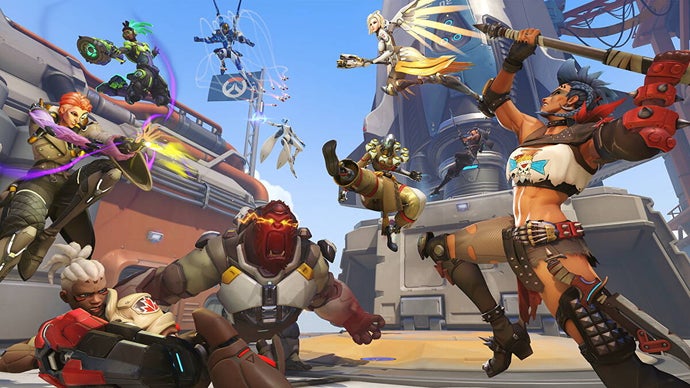
Blizzard is not drip-feeding content—Season 1: Conquest arrives with five fresh playable heroes in one wave. From a #gamedev and systems-design perspective, that’s an aggressive shake-up strategy:
- Meta Volatility as a Feature: Five heroes at once rewires team compositions overnight, creating deliberate chaos that pushes players to experiment instead of defaulting to entrenched meta picks.
- Counter Design at Scale: Dropping multiple heroes simultaneously allows Blizzard to design counters in clusters, rather than patching balance hero-by-hero across seasons.
- Engagement Spikes Over Stability: This cadence favors short-term engagement spikes over long-haul stability—an intentional bet that players will tolerate volatility if the sandbox feels fresh.
For other studios, especially #indiegame teams working on competitive titles, Conquest is a high-profile example of using big-bang roster drops as an alternative to incremental hero trickles.
A Unified War: The “Reign of Talon” Narrative Pivot
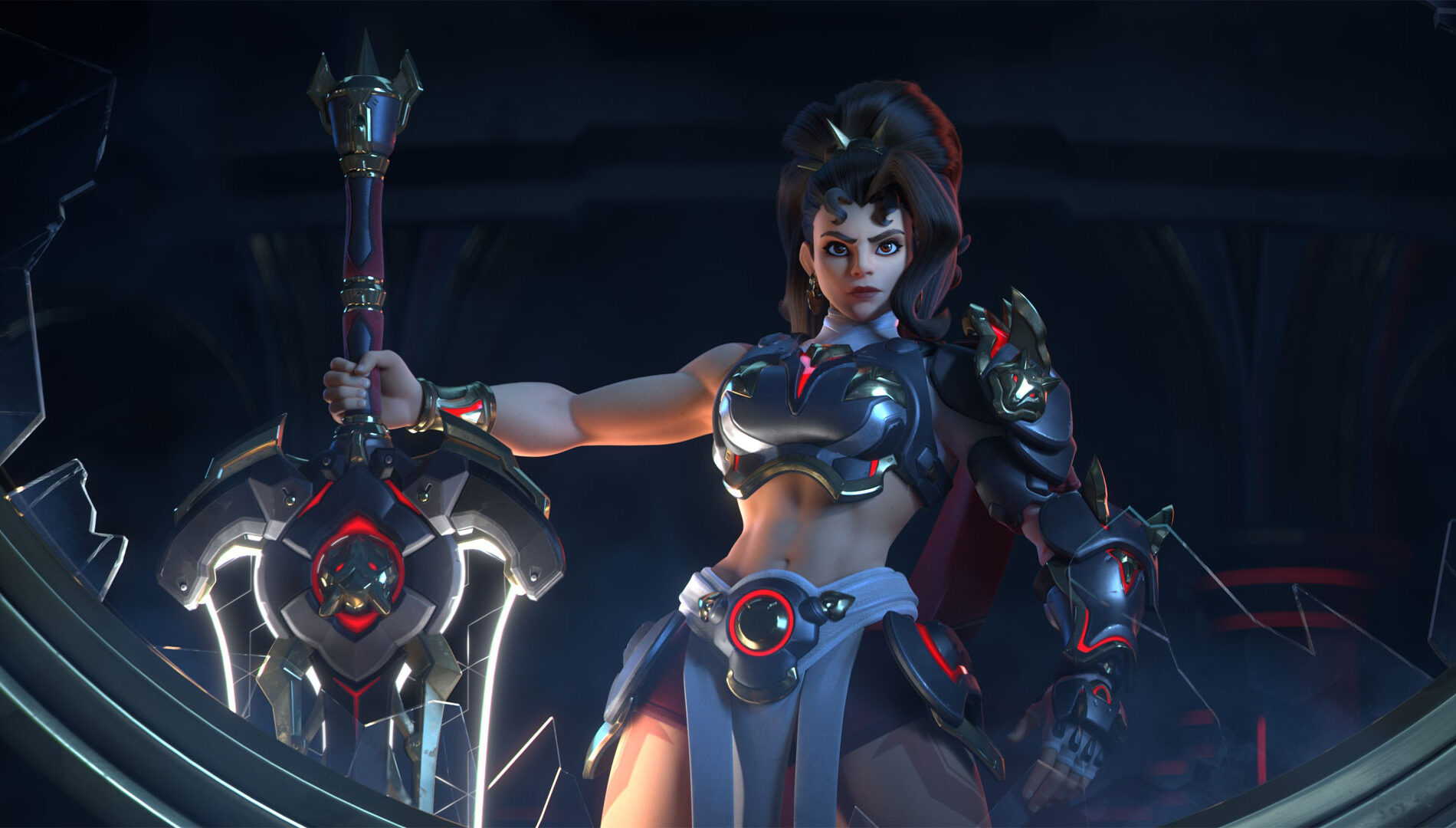
Overwatch 2 is repositioning itself as a persistent war story rather than a loose anthology of events. The new year-long narrative arc, “Reign of Talon,” ties together missions, events, and seasonal beats into a single, evolving campaign.
Key structural shifts in this narrative strategy:
- From Disconnected Events to a Living Timeline: Seasonal events will now advance the world state—Talon’s influence, map conditions, and hero interactions evolve instead of resetting.
- Lore as a Retention Engine: Blizzard is treating story like a live-service mechanic, not just a marketing wrapper. Expect new voice lines, in-game states, and mission variants that reflect the current chapter of the war.
- Cross-Media Sync: Animated shorts, in-game missions, and seasonal updates are clearly being produced as a linked content pipeline, not as isolated promotional beats.
For developers, this is a blueprint for turning a hero shooter into a story machine: every patch is a chapter, every match is framed as part of a larger conflict. That framing is a powerful tool for reactivating lapsed players who care about characters and worldbuilding as much as raw competitive grind.
Steam Surge: Record Concurrency vs. Persistent Friction
On Steam, Overwatch 2 just achieved:
- New all-time peak: 165,651 concurrent players
- Launch-day record doubled: The latest story-driven update doubled its previous release-day concurrent record
Yet the game still sits at a 27.26% rating on the platform. The signal: Blizzard can mobilize massive interest on demand, but sentiment remains structurally fragile.
From a market-intel standpoint, this suggests:
- Content Strategy is Working: Narrative + Conquest-era updates are successfully pulling lapsed players and new recruits into the ecosystem.
- Trust Deficit Remains: Monetization, past PvE pivots, and competitive frustrations continue to anchor reviews.
For #gamedev teams watching from the sidelines, Overwatch 2 is a reminder that content can spike numbers, but only systemic trust work moves long-term sentiment.
Ten Years of Overwatch: Live-Service Lessons for the Next Decade
The franchise is now 10 years old, and Blizzard is explicitly positioning Overwatch 2 as a long-horizon live-service platform:
- Continuous Hero Expansion: The roster continues to grow, with reworks and new heroes serving as the primary levers for meta evolution.
- Seasonal Systems as Core Design: Bigger seasonal beats like Conquest are framed as structural updates, not just cosmetic refreshes.
- Experimentation with Competitive Frameworks: The studio is telegraphing deeper competitive systems, new modes, and more frequent balance passes to keep high-skill play from calcifying.
For studios—from AAA to #indiegame—this decade-long arc shows the cost and payoff of committing to a single, evolving PvP platform instead of cycling through sequels.
Strategic Takeaways for Developers and Publishers
-
Narrative Integration Drives Re-engagement
Overwatch 2’s story-driven era and the “Reign of Talon” arc demonstrate how cohesive narrative framing can bring players back even after years of friction. -
Big Content Swings Can Reset Perception—Temporarily
Doubling Steam concurrency and hitting new peaks proves that bold seasonal pivots can override negative sentiment in the short term. The long-term test is whether Blizzard can align monetization, matchmaking, and PvE expectations with this renewed interest. -
Live-Service is Now Story-First, Not Just System-First
Overwatch 2 is leaning into story as a core pillar of its live-service design, not a sidecar. For competitive titles, this is a clear signal: lore and worldbuilding are now retention tools, not just fan service.
As Overwatch 2 marches deeper into its Conquest year and the Reign of Talon storyline, the game is shifting from a static hero shooter into a continuously authored war. For the sector, this week’s data confirms one thing: narrative-backed seasonal design isn’t just good for trailers—it moves concurrency at scale.
Sources and corrections
This archive entry does not have a verified article-source list. Images and video embeds alone are not evidence for every claim.
Found an error? Request a correction. Include the passage and a supporting source.